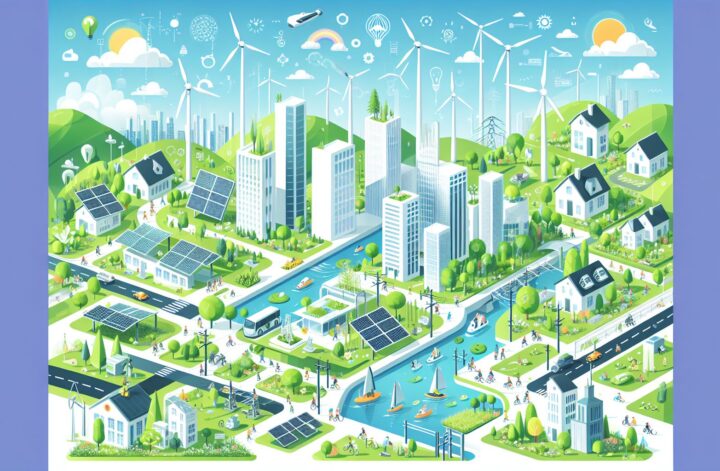
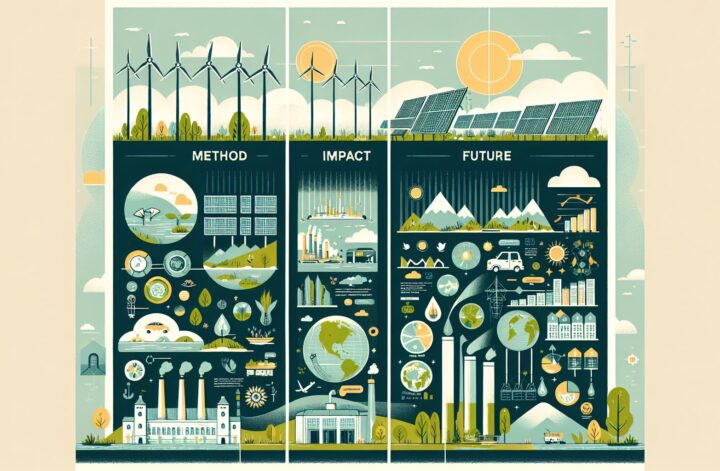
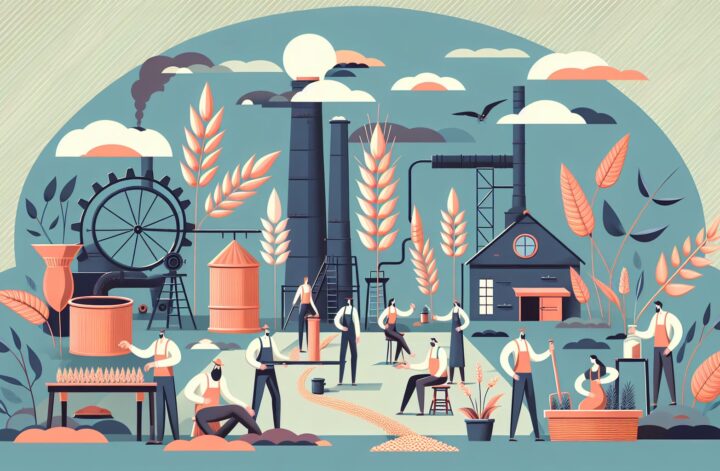
As we grapple with the stark realities of climate change and the need for more sustainable energy alternatives, biogas production offers immense possibilities. This article dives deep into the heart of this process, highlighting how organic waste can be turned into renewable energy.
Understanding Biogas Production
Biogas production takes place in an anaerobic environment, where organic matter is broken down by microorganisms to produce biogas. This versatile energy source contains 60-70% methane, 30-40% carbon dioxide and trace amounts of other gases[^1^]. With the right conditions and technology, like anaerobic digesters, it can be converted into heat, electricity, or fuel.
The Anatomy of an Anaerobic Digester
The biogas production process takes place in an anaerobic digester. This complex design consists of an enclosed tank, a heating element to maintain optimal temperatures, and an outlet for the biogas. It works by harnessing the power of bacteria and archaea, through four fundamental stages: hydrolysis, acidogenesis, acetogenesis, and methanogenesis.
-
Hydrolysis: This is the first step in the breakdown of complex organic materials into simpler soluble compounds. The enzymes produced by hydrolytic bacteria break down carbohydrates, proteins, and fats into simpler molecules like sugars, amino acids, and long-chain fatty acids.
-
Acidogenesis: Acidogenic bacteria convert these simpler molecules into volatile fatty acids, ammonia, carbon dioxide, and hydrogen sulfide.
-
Acetogenesis: Acetogenic bacteria further break down these compounds into acetic acid, hydrogen, and carbon dioxide.
-
Methanogenesis: Finally, methanogens convert these final products into methane and carbon dioxide[^1^].
These processes require a careful balance of conditions, including temperature control and optimal pH levels.
There are two common temperature ranges used in digesters: mesophilic digestion (37°C) and thermophilic digestion (55°C)[^2^]. While thermophilic digestion allows for more rapid breakdown and higher gas yield, it is more sensitive to changes, which can inhibit the process. Mesophilic digestion, on the other hand, is slower but more robust and able to withstand variations in conditions.
Harnessing Volatile Solids
A critical factor in biogas production is volatile solids reduction – the extent to which the organic materials are broken down during digestion. This measure is central to the efficiency of the process as it directly impacts the amount of biogas produced and the quality of the resulting digestate[^1^].
Significance of Hydraulic Retention Time (HRT) and Solid Retention Time (SRT)
Both, the HRT and the SRT are crucial for the optimisation of the anaerobic digestion process. HRT is the time organic waste spends in the digester whereas SRT is the amount of time biomass remains in the system[^2^]. Balance is key here, so the system has enough time to decompose the organic material but not too much time that it would inhibit biogas production.
The Promise of Renewable Energy
Once the biogas is produced, it is treated to remove impurities and upgraded to a suitable standard for use. In terms of renewable energy, it can be used to generate electricity and heat through a combined heat and power (CHP) unit[^2^]. This process not only converts waste into energy but also results in reduced emissions, aiding in the reduction of greenhouse gases.
Facing Inhibitors Head-On
While anaerobic digestion is a powerful process, it can be inhibited by several factors. For instance, an excess of certain compounds, like ammonia or sulfides, can be toxic to the anaerobic bacteria and archaea. However, with proper monitoring and management, these inhibitors can be effectively managed to ensure the smooth operation of the biogas production process[^2^].
Looking to the Future
With its myriad benefits, biogas production promises a future where waste is no longer a problem but a part of the solution. It offers a sustainable, cost-effective method to manage organic waste and generate renewable energy, promising significant strides in our battle against climate change.
In exploring our relationship with the environment, there are few alternatives as promising as biogas. As we continue to investigate and invest in this technology, we move closer to a more sustainable and resilient future.
[^1^]: “Anaerobic Digestion.” SEAI Ireland. Link.
[^2^]: “Introduction to Anaerobic Digestion.” BiogasWorld. Link.
[^3^]: “Biogas.” Renewable Energy Hub. Link.