Biogas Production: A Method Toward a Sustainable Future

In the era of growing environmental concerns and the desperate need to switch to renewable energy sources, the focus has lately shifted to a promising phenomenon: biogas production. Not only does it serve as an economical source of energy, but it also personifies the concept of a sustainable bio-economy.

Understanding Biogas

Biogas, a by-product of anaerobic digestion of organic waste, represents a mixture of several gases. The major components in it include methane (CH4) and carbon dioxide (CO2) which contribute around 60%-70% and 30%-40%, respectively[^1^].

The Production Process

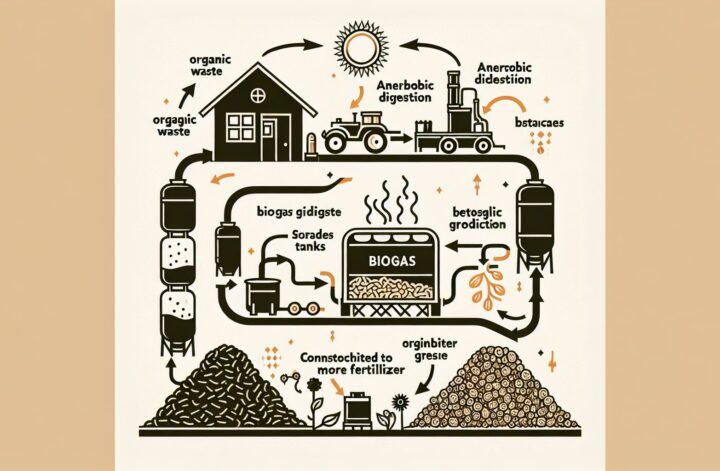
The whole process of biogas generation is spearheaded by a simple yet complex mechanism of anaerobic digestion where organic materials are broken down by bacteria, in the absence of oxygen. This yields a mixture of gases and a solid residue known as “digestate”.

There are four main steps to the biological process involving different species of bacteria:

  1. Hydrolysis: complex organic materials are broken down into simple sugars, amino acids and fatty acids.

  2. Acidogenesis: further breakdown results in the formation of volatile fatty acids and alcohols.

  3. Acetogenesis: the products from the second stage are converted into hydrogen, carbon dioxide, and acetic acid.

  4. Methanogenesis: Methane and carbon dioxide, the major components of biogas, are formed in this final step[^2^].

Applications of Biogas

Heat and Power Generation

The biogas produced can be utilized to generate heat and electricity using combined heat and power (CHP) units. At the same time, it also helps in reducing the reliance on fossil fuels.

Organic Waste Treatment

It is also an effective method of waste treatment wherein it aids in the processing of different kinds of wastes, including municipal solid waste, industrial waste, agricultural waste, energy crops, and wastewater sludge. The treated organic waste offers a potential for curbing the release of harmful greenhouse gases, thus maintaining an appropriate carbon footprint.

Digestate: A Soil Enhancer

The solid by-product, digestate, resulting from the anaerobic digestion process holds rich nutrient value and can be used as a soil supplement or an organic fertilizer.

Vehicle Fuel

After an upgrading process which removes the carbon dioxide, the upgraded biogas, also referred to as biomethane, can be used as a renewable vehicle fuel.

Challenges and Solutions

Despite the advantages, biogas production is often met with numerous challenges. Ensuring feasibility calls for a balance amidst all technical parameters such as hydraulic retention time (HRT), organic loading rate (OLR), and the choice between mesophilic and thermophilic digestion.

Another major obstacle in the pathway is the inhibition of the anaerobic digestion process. It can occur due to numerous reasons such as pH fluctuations, presence of toxic substances, nutritional imbalance, or even process instabilities. To tackle these complications, monitoring the process parameters regularly, trace element supplementation or adopting methods of co-digestion can be fruitful[^3^].

The Future of Biogas

Biogas production offers a sustainable and economically viable option for energy generation. It remains a promising strategy amidst the growing need for renewable energy and waste treatment solutions. By addressing the challenges that hamper its efficiency, it can help unveil a future that accomplishes both: economic growth and environmental sustainability.

With the world gravitating towards a green economy, biogas will undeniably assert itself as a promising trend in shaping a sustainable future.

References

[^1^]: “What is Biogas? A Beginners Guide”, Home Biogas, accessed May 28, 2020, https://www.homebiogas.com/What_is_Biogas-A_Beginners_Guide.

[^2^]: Gerardi, Michael H., “The microbiology of anaerobic digesters”, Wastewater Laboratory Analysts’ Guide to Preparing for the Certification Examination, 4th Edition, accessed May 28, 2020, https://www.iwapublishing.com/news/microbiology-anaerobic-digesters

[^3^]: “Anaerobic Digestion”, Sustainable Energy Authority of Ireland, accessed May 28, 2020, https://www.seai.ie/technologies/anaerobic-digestion/
Continue Reading

Biogas Production: Harnessing Power from Organic Waste

Biogas production is an eco-friendly technology that allows us to harness energy from organic waste. This alternative source of energy is not only renewable but also hugely beneficial in several ways, including the treatment of organic waste, creation of more sustainable communities, and reduction of greenhouse gas emissions, among others^1^.

What is Biogas?

Biogas is a type of biofuel made from the breakdown of organic material in an oxygen-free environment or “anaerobic conditions.” Common sources of organic waste used in biogas production include manure, food waste, agricultural residues, and sewage^2^. Biogas mainly consists of methane and carbon dioxide, with trace amounts of hydrogen sulfide, moisture, and siloxanes.

The Anaerobic Digestion Process

Anaerobic digestion is the process by which microorganisms break down biodegradable material in the absence of oxygen. This process happens in four stages: hydrolysis, acidogenesis, acetogenesis, and methanogenesis.

1. Hydrolysis

During hydrolysis, complex organic molecules are broken down into simple sugars, amino acids, and fatty acids.

2. Acidogenesis

In the acidogenesis stage, these simpler compounds are further broken down into volatile fatty acids and alcohols.

3. Acetogenesis

Acetogenic bacteria convert these by-products into hydrogen, carbon dioxide, and acetate in the acetogenesis stage.

4. Methanogenesis

Finally, in methanogenesis, methanogens convert these intermediates into methane and carbon dioxide, the primary components of biogas[^3^].

Types of Digesters

Digesters come in various designs, most commonly being categorized as wet or dry systems, and batch or continuous systems. In wet systems, the organic material is mixed with water, forming a slurry, whereas in dry systems, it is processed in its solid state. Continuous systems are fed organic material at regular intervals, while batch systems are filled all at once and left to digest before being emptied and refilled^2^.

Different temperature regimes can also be used in the anaerobic digestion process; mainly mesophilic digestion that takes place between 30-40°C and thermophilic digestion occurring at temperatures between 50-60°C.

Biogas Upgrading and Utilisation

Raw biogas can be used to generate heat, run internal combustion engines, or produce electricity. However, to replace natural gas or be used as a vehicle fuel, biogas needs to be upgraded or purified to remove impurities and increase its methane content. This process, known as biogas upgrading, usually removes CO2, water, hydrogen sulfide, and other contaminant gases, leaving behind biomethane that can be injected into the natural gas grid or used as a vehicle fuel^2^.

Benefits of Biogas Production

Biogas production delivers several environmental, economic, and societal benefits:

  1. Treatment of organic waste: The process of biogas production makes use of organic materials that would otherwise be disposed of, doing a part in waste management.
  2. Renewable energy: It provides a sustainable source of energy that can be used for heat, electricity, and in transportation.
  3. Reducing greenhouse gas emissions: By diverting organic waste from landfills and converting it into energy, we are reducing the amount of methane, a potent greenhouse gas, released into the atmosphere.
  4. Soil enrichment: The by-product, known as digestate or biosolids, is a nutrient-rich substance used in farming as a soil amendment or fertiliser.
  5. Economic Development: Biogas production can create jobs, stimulate local economies, and help to develop a more sustainable agricultural sector.

Conclusion

Biogas production is a vital technology in the journey towards a more sustainable future. Its benefits are vast, including waste reduction, energy generation, and greenhouse gas reduction. With continued support and innovation, biogas technology has immense potential to contribute significantly to the world’s renewable energy supply and sustainable development efforts.

References

^1^: National Renewable Energy Laboratory (NREL), “Anaerobic Digestion,” www.nrel.gov/research/re-anaerobic-digestion.html.

^2^: (“Biogas for domestic use – technology”) Bond, T. E. H., & Templeton, M. R. (2011). History and future of domestic biogas plants in the developing world, Energy for Sustainable Development,15(4), 347-354.

[^3^]: (“The Chemical and Microbiologic Process of Anaerobic Digestion”) Nielsen, H.B., Angelidaki, I. (2008). Strategies for optimizing recovery of the biogas process following ammonia inhibition. Bioresource Technology, 99(17), 7995-8001.

Markdown syntax:

~~~~

Header

-insert intro here-

Subheader

-insert paragraph here-

Subheader

-insert paragraph here-

etc…

References

etc…
~~~~

Continue Reading

Exploring the Fascinating World of Biogas Production and Its Impact on Renewable Energy

Renewable energy has become an increasingly significant topic of discussion amid climate change fears. Central to this dialogue is the subject of biogas production — an eco-friendly alternative to traditional fossil fuels. Today, we will be delving into the intricacies of biogas production, its relevance in organic waste treatment, and the impact on the renewable energy sector.

What is Biogas?

Biogas is a type of biofuel that is naturally produced from the decomposition of organic waste. It is primarily composed of methane (CH4) and carbon dioxide (CO2), presenting a renewable energy source that reduces greenhouse emissions when used in place of fossil fuels[^1^].

Biogas Production: How It Works

The production of biogas occurs in a process known as anaerobic digestion, which takes place in an anaerobic digester or a bioreactor. Four key stages are involved in this process: hydrolysis, acidogenesis, acetogenesis, and methanogenesis[^2^].

  1. Hydrolysis: In the first stage, complex organic matter is broken down into simple sugar monomers, facilitated by hydrolytic bacteria.

  2. Acidogenesis: The simple molecules are further converted into long chain fatty acids by acidogenic bacteria.

  3. Acetogenesis: These long chain fatty acids are then converted into acetic acid, CO2, and hydrogen.

  4. Methanogenesis: This final step involves the conversion of these products into methane, CO2, and water by methanogenic archaea[^3^].

Biogas and Organic Waste Treatment

Biogas production offers a dual solution for environmental sustainability by managing organic waste and producing renewable energy. The organic waste used in biogas production can include manure, crop residues, food waste, and even sewage sludge. The process of organic waste treatment for biogas production not only reduces the volume of waste being sent to landfills, but it also contributes to a significant reduction in greenhouse gas emissions[^4^].

Organic Loading Rate and Biogas Yield

Organic Loading Rate (OLR) is an essential parameter in the anaerobic digestion process and has a direct influence on the quantity of biogas produced. It measures the quantity of organic material that is fed into the digester per unit volume per day. Consequently, optimizing the OLR is crucial for efficient biogas production[^5^].

Inhibitors of Anaerobic Digestion

While anaerobic digestion is a robust and dependable process, certain factors can inhibit its effectiveness. Two common inhibitory factors are ammonia toxicity and sulfide toxicity. High levels of ammonia can potentially harm the anaerobic digestion process, impairing the overall biogas yield. Meanwhile, Hydrogen sulfide (H2S), which is often found in biogas, is corrosive and can cause damage to the equipment used in biogas production[^6^].

The Future of Biogas Production and Renewable Energy

Amid escalating environmental concerns, the future points towards a gradual transition from fossil fuels to renewable energy sources. While solar and wind energy have gained substantial attention, the potential of biogas as a reliable and potent renewable energy source can’t be overlooked. As a carbon-neutral fuel, biogas could play a pivotal role in combating climate change and securing energy future.

That’s biogas production in a nutshell. Intricate, fascinating, and beneficial on multiple levels, it offers a promising avenue towards a future where energy production does not compromise our love for Mother Earth.

Sources

[^1^]: Agler MT, Wrenn BA, Zinder SH, Angenent LT. Waste to bioproduct conversion with undefined mixed cultures: the carboxylate platform. Trends in Biotechnology. 2011;29(2):70-78. doi:10.1016/j.tibtech.2010.11.006

[^2^]: Deublein D, Steinhauser A. Biogas from waste and renewable resources: an introduction. Wiley-VCH. 2008. ISBN 978-3-527-31841-4.

[^3^]: Mosey FE. Mathematical modelling of the anaerobic digestion process: regulatory mechanisms for the formation of short-chain volatile acids from glucose. Water Science and Technology. 1983;15(8-9):209-232

[^4^]: Hjorth M, Gränitz K, Adamsen APS, Møller HB. Extrusion as a pretreatment to increase biogas production. Bioresource Technology. 2011; 102(8):4989-4994.

[^5^]: Zahedi S, Solera R, Molerob J, Pérez J. The influence of the organic loading rate on the performance of a UASB reactor treating paper industry wastewater. Chemical Engineering Journal. 2010; 165(2):458-465.

[^6^]: Calli B, Mertoglu B, Inanc B, Yenigun O. Community changes during start-up in methanogenic bioreactors exposed to increasing levels of ammonia. Environmental Technology. 2005; 26(1):85-91.

Continue Reading

Renewable Energy: The Powerhouse of the Future

Renewable energy

In the current era of unprecedented environmental change, concerns over our dependence on fossil fuels have ushered in a new age where renewable energy stands as a beacon for our sustainable future. This article aims to delve deep into the significance, dynamics, and prospects of renewable energy, a rapidly expanding field which promises to reshape the way we consume energy.

1. Introduction: Understanding Renewable Energy

Renewable energy harnesses the energy from sources which are naturally replenished on a human timescale. Contrary to fossil fuels, these sources – including sunlight, wind, rain, tides, waves, as well as geothermal and bioenergy – are inexhaustible and continually renewable [1]. These ‘clean’ energies expose our environment to fewer pollutants, making a substantial impact on quality of life, health, and the sustainability of our planet.

2. The Components of Renewable Energy

Renewable energy is composed of various components, each classified based on the natural resource it takes advantage of.

2.1 Solar Energy

Solar energy harnesses the radiant light and heat emitted by the sun. Solar Photovoltaic (PV) panels convert sunlight directly into electricity, playing a crucial role in the pursuit of renewable energy. In fact, the last decade has seen a 60% yearly growth rate in the solar PV installed capacity [2].

2.2 Wind Energy

Wind energy is electricity generated by wind turbines that convert the kinetic energy in wind into mechanical power. Wind power, a reliable and endless source, is one of the fastest growing renewable energy technologies.

2.3 Hydropower

Hydropower exploits the energy from running or falling water. The standard process consists in damming a river and then using the potential energy stored in the reservoir for power generation.

2.4 Bioenergy

Bioenergy refers to the energy derived from organic material—biomass—like plants and waste. This is transformed into heat, electricity or biofuels that can be used in transport.

2.5 Geothermal Energy

This lesser known source of renewable energy taps into the earth’s internal heat, captured from both the captured steam and hot water from beneath the earth’s surface in geothermal reservoirs. It can then be transformed into electricity.

3. The Promising Potential of Renewable Energy

The potential for renewable energy is immense. The International Energy Agency predicts that renewable technologies could deliver 95% of the reduction in carbon emissions needed in the energy sector by 2050 [3]. We discuss three critical areas where renewable energy has the potential to make significant contributions.

3.1 Carbon Dioxide Emission Reduction

Renewable energy technologies emit little to no greenhouse gases, which are the main contributors to climate change. This makes them critically important to reducing our carbon footprint.

3.2 Energy Security and Independence

Countries with access to, and capability for, renewable energy production can reduce their dependence on foreign energy sources. This provides not only energy security but also creates unique opportunities for social, economic and political independence.

3.3 Job Creation and Economic Development

The renewable energy industry offers new opportunities for job creation and can play a pivotal role in sustainable economic development. Globally, in 2018, about 11 million people were employed in the renewable energy sector [4].

4. Conclusion: The Renewable Revolution

The age of fossil fuels, with all its environmental hazards, is nearing its end. The sustainable, clean and abundant nature of renewable energy marks it as the energy source of the future. Though challenges remain, investment and research in renewable energy have gained momentum. As we navigate the energy transition, it is imperative that we embrace the prospects of a clean, sustainable and renewable future.


References
1. REN21 (2018) Renewables Global Status Report. Access online
2. International Renewable Energy Agency (2018) Renewable Capacity Statistics. Access online
3. International Energy Agency (2018) Sustainable Development Scenario. Access online
4. International Renewable Energy Agency (2018) Renewable Energy and Jobs. Access online

Continue Reading

Biogas Production: An Essential Path Toward Renewable Energy

Biogas production is becoming increasingly essential as the world continues to grapple with the pressing need for renewable energy. With the current urgency to shift away from fossil-based energy sources, the production of biogas is a practical and efficient solution that not only offers a sustainable energy source but also assists in addressing waste management challenges.

Understanding Biogas Production

Biogas production is essentially a process where organic waste, such as animal manure, crop residues, food waste and municipal waste, are subjected to an anaerobic digestion process to produce biogascitation needed. Biogas, a type of biofuel, primarily consists of methane, carbon dioxide, and other trace gases. This gas, when processed, can be used as a renewable energy source for cooking, heating, electricity generation, and as an automotive fuel.

Anaerobic Digestion: The Heart of Biogas Production

Central to the production of biogas is the process of anaerobic digestion which involves four stages: Hydrolysis, Acidogenesis, Acetogenesis, and Methanogenesis citation needed.

Hydrolysis: During this stage, complex organic materials are broken down into simple sugars, amino acids, and fatty acids by the action of enzymes.

Acidogenesis: The second stage, acidogenesis, sees the production of volatile acids and other byproducts due to the further break down of products from the hydrolysis stage.

Acetogenesis: The Acetogenesis stage involves the conversion of volatile acids from acidogenesis into hydrogen, carbon dioxide, and acetate.

Methanogenesis: The final stage is methanogenesis where methanogenic bacteria convert the end products of the acetogenesis stage into methane, water, and carbon dioxide.

Advantages of Biogas Production

Biogas production delivers a host of benefits that range from reducing greenhouse gas emissions to rural development and energy security citation needed.

Biogas as a Renewable Energy Source: Biogas generated from anaerobic digestion processes can be converted into usable energy that helps mitigate reliance on fossil-based energy sources and aids in promoting energy independence. Furthermore, biogas generation is a constant process, which makes it a reliable and predictable source of energy.

Waste Management: Anaerobic digestion transforms organic waste into a valuable resource. Thus, it effectively assists in waste management, particularly in places with significant agricultural or food processing activities.

Reduction of Greenhouse Gas Emissions: As biogas captures methane – a potent greenhouse gas – it significantly contributes to mitigating climate change.

Potential Challenges in Biogas Production

While the advantages of biogas production are many, there are potential challenges that need to be considered, such as the inhibition of the anaerobic digestion process due to ammonia or sulfide toxicity, the need for trace element supplementation, and stringent quality requirements for biogas upgrading to natural gas standards citation needed.

The Future of Biogas Production

The future of biogas production appears bright. As the world continues to seek solutions for renewable energy and effective waste management, biogas production becomes increasingly relevant and important. Yet, to fully exploit the potential of this sustainable technology, there’s a need for more research, favorable policies, and financial incentives. Thus, all stakeholders must collaborate to make biogas production a significant part of our renewable energy mix.

Sources

[1] Anaerobic Digestion – EESI
[2] Anaerobic digestion – Wikipedia
[3] What Is Biogas Energy & How Is Biogas Made? – Conserve Energy Future

Continue Reading

Organic Waste Treatment: A Sustainable Solution for Waste Management

As it becomes increasingly evident that sustainable solutions are necessary to combat climate change, the methods of organic waste treatment are earning due attention. By transforming organic waste into refined products with practical applications, these methods offer a promising way to reduce greenhouse gas emissions and divert waste materials from landfills.

Organic Waste Treatment Explained

Organic waste treatment mainly encompasses the processes that transform organic waste, such as food scraps, yard waste, and paper products, into usable end products. One of the most notable procedures employed in this field is Anaerobic Digestion (AD), a biological process that decomposes organic waste via bacteria in the absence of oxygen, creating biogas, a mixture of methane, carbon dioxide, and trace elements[^1^].

The Anaerobic Digestion Process

Anaerobic digestion involves four main stages: hydrolysis, acidogenesis, acetogenesis, and methanogenesis.

Hydrolysis initiates the process by breaking down complex organic materials into simpler soluble molecules, such as sugars, amino acids, and fatty acids.

Acidogenesis sees acidogenic bacteria metabolize the byproducts from hydrolysis into volatile fatty acids and other compounds, including ammonia, hydrogen, and carbon dioxide.

Acetogenesis further breaks down the products of acidogenesis into Acetic acid, hydrogen, and carbon dioxide.

Finally, during methanogenesis, methane-forming bacteria metabolize the products from acetogenesis into methane, carbon dioxide, and water[^2^].

Benefits of Organic Waste Treatment

There are multiple ways that society can benefit from organic waste treatment, which are outlined below:

Biosolids Production

A significant byproduct of anaerobic digestion is the biosolids left in the digester after the completion of the process. Often referred to as digestate, these biosolids are rich in nutrients and organic matter, making them a valuable product for soil amendment and land reclamation[^3^].

Biogas Production

Besides digestate, another primary end product of anaerobic digestion is biogas, a mixture of methane and carbon dioxide, with traces of other gases. Because methane is a powerful greenhouse gas, its capture and use as a renewable energy source significantly reduce greenhouse gas emissions. Biogas can generate heat and electricity, thus enabling industry and households to reduce reliance on fossil fuels.

Sludge Stabilization

The anaerobic digestion process aids in the stabilization of sewage sludge, making it safer and more manageable for disposal or recycling.

Co-Digestion

Co-digestion is the processing of multiple organic waste streams together, which often leads to an increase in biogas yield compared to digestion of a single waste stream. Maximizing the potential for renewable energy production[^3^].

Superior Waste Management

Organic waste treatment provides a more sustainable method for waste disposal than traditional landfilling, reducing the impact on the environment and opening opportunities for the reuse of waste materials.

Challenges and Future Directions

While there are many benefits of organic waste treatment, it’s also necessary to recognize the challenges involved. These include controlling the conditions within the anaerobic digester to maintain optimal microbial activity, managing trace element supplementation to support bacterial metabolism, and preventing any potential inhibition of digestion due to compounds such as ammonia or sulfides.

It is also crucial to continue the research and development of technologies that increase the efficiency of organic waste treatment processes and the usability of its end products. Biogas upgrading, for example, is a process that can purify the methane in biogas to make it equivalent to natural gas, making it a more versatile and valuable resource[^2^].

In conclusion, organic waste treatment plays a significant role in addressing the global waste problem and combating climate change, and it should be promoted as part of a sustainable future.


References:

[^1^]: U.S Environmental Protection Agency. (2021). Anaerobic Digestion. Link

[^2^]: Anaerobic Digestion.org.uk. (n.d). The AD Process. Link

[^3^]: U.S Department of Energy. (2013). Biogas Potential in the United States. Link

[^4^]: Waste Management World. (2019). Why is Biogas Upgrading Important? Link


Continue Reading

Methane Capture: A Comprehensive Survey and Its Implications

Methane Capture

Methane is a potent greenhouse gas, much more potent than CO2, and its successful capture from varied sources has significant implications for reducing the global carbon footprint. From natural gas systems to agriculture, landfills, coal mining, and more, the sources of methane are close and wide-spreading. In this enlightening exploration of methane capture, we’ll cover everything – from the basics to its environmental and economic implications.

A Basic Understanding of Methane

Methane is a powerful greenhouse gas made up of one carbon atom and four hydrogen atoms 1^. While it is less abundant in the atmosphere than carbon dioxide (CO2), methane has a greater warming potential – around 25 times that of CO2 over a 100-year period.

Methane capture refers to the process of trapping and storing methane produced from natural or anthropogenic sources, in a bid to prevent its release into the atmosphere.

Sources of Methane

The primary sources of methane are from human activity. These include:

  1. Agriculture: Livestock generate a significant amount of methane as part of their digestive processes. Manure stored in lagoons or tanks can further produce methane.

  2. Natural Gas and Petroleum Systems: Methane extraction and transport via natural gas systems can result in leaks, contributing generously to overall methane emissions.

  3. Landfills: Decomposition of organic waste material in landfills produces methane.

  4. Coal Mining: Methane is released during both surface mining and deep drilling processes.

Methane Capture Technologies

Multiple technologies facilitate methane capture, varying greatly in their methods, efficacy, and costs.

  1. Cryogenic Distillation: A method used mainly in the natural gas industry, it entails cooling the gas stream to separate out the methane into a liquid that can be easily stored and transported 2^.

  2. Absorption and Adsorption: These methods use other substances to absorb or adsorb methane respectively. An absorbent physically absorbs methane, akin to a sponge absorbing water. Adsorbents, on the other hand, bond methane molecules to their surface.

  3. Membrane Separation: This technique employs specialized membranes that allow methane to pass through, separating it from other gases.

Environmental and Economic Implications

The environmental benefits of capturing methane are manifold. Not only does it curtail the buildup of a potent greenhouse gas in the atmosphere, thereby mitigating climate change, but also prevents air and water pollution often associated with methane-emitting activities, particularly in industries such as coal mining and the natural gas sector.

The captured methane itself presents a renewable energy source. As such, financial benefits can also be gained from its capture. Methane can be processed into natural gas, a valuable commodity in today’s energy markets. Moreover, industries can often save money by reducing losses from leakages and mitigating pollution-related fines and sanctions 3^.

Towards a Cleaner Future

In conclusion, the capture and storage of methane present a clear win-win situation: boosting climate change mitigation efforts while opening up economic opportunities. As technology advances, bringing with it more cost-effective and efficient methods for methane capture, it is to be hoped that more industries and governments will take steps to integrate these systems into their operations, leading us towards a cleaner, greener future.


References:

  1. “Overview of Greenhouse Gases.” Environmental Protection Agency. Last modified April 14, 2021. https://www.epa.gov/ghgemissions/overview-greenhouse-gases#methane.

  2. Plumer, Brad. “Can Pulling Carbon from Air Make a Difference on Climate?” The New York Times. Last modified June 26, 2018. https://www.climatecentral.org/news/methane-capture-technology-breakthrough-21437.

  3. “5 Reasons Why Methane Capture is Good Business.” Blog post by Sarah Parsons. World Resources Institute. Last modified October 02, 2014. https://www.wri.org/blog/2014/10/5-reasons-why-methane-capture-good-business.

Continue Reading

Biogas Production: An Alternative Source of Renewable Energy

In an age where sustainable development has been receiving attention globally, renewable energy resources play a significant role. One of such resources is biogas. This article takes an in-depth exploration into the production of biogas – the process involved, its benefits, and how it contributes to greenhouse gas reduction.

What is Biogas?

Biogas is a type of biofuel that is naturally produced through the process of anaerobic digestion. The primary components of biogas are methane (CH4) and carbon dioxide (CO2), with small amounts of other gases like hydrogen sulfide (H2S). The methane content in biogas gives it the ability to burn – the fundamental characteristic that qualifies as a source of energy.

Biogas Production Process

Biogas production involves four primary stages: hydrolysis, acidogenesis, acetogenesis, and methanogenesis[^1^]. The process can occur at different temperatures, which are categorized into mesophilic digestion (around 37-41℃) and thermophilic digestion (around 50-60℃).

  1. Hydrolysis: In this initial stage, complex organic materials are broken down into simple sugar, amino acids, and fatty acids by extracellular enzymes.
  2. Acidogenesis: During acidogenesis, the products from hydrolysis are further broken down into volatile fatty acids and other acidic compounds.
  3. Acetogenesis: Acetogenic bacteria convert the products from acidogenesis into acetates, hydrogen, and carbon dioxide.
  4. Methanogenesis: In the final stage, methanogens convert the acetates, CO2, and hydrogen into methane and carbon dioxide[^2^].

Biogas Upgrading and Use

Biogas generated directly from the digester contains impurities and needs to have its methane content increased to be effectively used as a source of renewable energy. This process is known as biogas upgrading. Biogas scrubbing is one prevalent method applied for biogas upgrading.

Purified biogas can be used in combined heat and power (CHP) units to produce electricity and heat, or it can be compressed and used as a vehicle fuel. Biogas can also be injected into the gas grid, having been upgraded to biomethane.

Biogas Production and Greenhouse Gas Reduction

Biogas production significantly contributes to greenhouse gas reduction in several ways.

  • By converting organic waste into energy, it relegates the amount of waste ending up in landfill. This process reduces the release of methane into the atmosphere, as organic waste decomposes and releases methane if not properly managed.
  • Utilization of biogas as an energy source displaces the use of fossil fuels, reducing CO2 emissions.

Additionally, the digestate – a by-product of the biogas production process – can be used as a high-quality fertilizer, providing an environmentally friendly alternative to synthetic fertilizers[^3^].

Conclusion

Biogas production presents an environmentally friendly way of managing organic waste, while also providing an alternative source of renewable energy. By understanding the intricate processes involved in biogas production and its implications on sustainable development, we can further harness this potential for the benefits of our generations and those to come.


[^1^]: B. Appels, J. Baeyens, J. Degrève and R. Dewil, Principles and potential of the anaerobic digestion of waste-activated sludge, https://pubmed.ncbi.nlm.nih.gov/19836003/

[^2^]: D. Yazdani and M. Barlaz, “Anaerobic digestion of organic waste for methane production,” in Handbook of Conversion of Solid Wastes into Energy and Useful Products: Biological Treatment – Thermal Treatment – Biofuels, World Scientific Publishing Europe, pp. 331–347, https://www.worldscientific.com/doi/abs/10.1142/9781786347819_0017

[^3^]: L. Pesta, Biogas as a substitute for fossil fuels – an economic and environmental evaluation, https://helda.helsinki.fi/bitstream/handle/10138/312361/pesta_ladislav_thesis.pdf?sequence=1

Continue Reading

Renewable Energy: The Future of Green Power Generation

In today’s world, where environmental concerns such as global warming and renewable sources of energy are of pressing importance, the necessity of tapping into green power generation has never been higher. Renewable energy stands out as a viable and sustainable solution to these global issues[^1^].

What is Renewable Energy?

Renewable energy, often referred to as clean energy, comes from natural sources that are continuously replenished. Many forms of renewable energy exist, each with unique advantages and inimitable capabilities for power generation. It encompasses multiple technologies like solar power, wind power, hydroelectric energy, tidal power, geothermal energy, and bioenergy (biomass and biofuel).

The Importance of Renewable Energy

There are several reasons why renewable energy is increasingly important in today’s world. Not only does it provide an environmentally friendly alternative to fossil fuels, but it also presents a virtually inexhaustible source of power. Promoting renewable energy sources could potentially lead to energy independence for some countries, promote job creation, stimulate economic growth, and reduce health risk due to pollution.

The Role of Bioenergy

Bioenergy, a subset of renewable energy, involves the use of organic materials to generate power. These materials, known as biomass, come from various sources, including wood, crops, seaweed, manure, and even garbage. When these substances are processed, they can further be transformed into biogas, heat, or electricity.

One of the leading methods of generating bioenergy is through anaerobic digestion. This process involves the decomposition of organic matter in an environment without oxygen. This decomposition process produces biogas, a mixture of mostly methane and carbon dioxide, which can be used as a renewable energy source[^2^].

Biogas Production Through Anaerobic Digestion

Anaerobic digestion is a series of biological processes where microorganisms break down biodegradable material in the absence of oxygen. This process happens naturally in environments like marshlands, deep bodies of water, and even inside the guts of certain animals. However, when purposefully harnessed, it can be a powerful method for producing biogas.

In the journey from biomass to biogas, a four-step process unfolds – hydrolysis, acidogenesis, acetogenesis, and methanogenesis. Each of these steps involves a unique group of bacteria, working together to transform the organic material into methane and carbon dioxide.

In its simplest form, an anaerobic digester design follows a two-phase approach. The first, the acid phase, takes care of the hydrolysis and acidogenesis steps, breaking down the large molecules in the biomass into simpler organic compounds. The second phase, the methane phase, picks up from there, transforming those simple compounds into biogas through the acetogenesis and methanogenesis steps[^3^].

Benefits and Challenges

The benefits of using anaerobic digestion as a means to produce renewable energy are manifold. It reduces reliance on fossil fuels, minimizes landfill waste, and decreases greenhouse gas emissions – all of which are significant steps towards combating climate change. Biogas as a byproduct can be utilized for heat and electricity generation or can be upgraded to biomethane for vehicle fuel or injection into the gas grid.

There are, of course, challenges to this process as well. Balanced proportion of nutrients, optimal temperature, and pH conditions are necessary to maintain the health and productivity of the bacterial communities responsible for the digestion. Inhibition of anaerobic digestion due to ammonia, sulfide toxicity, and lack of essential trace elements supplementation are common issues. Predicting these and improving system resilience is the key focus of ongoing research.

The Future of Renewable Energy

As the world continues to grapple with the cascade of environmental issues, renewable energy, specifically bioenergy, appears as a beacon of hope for a sustainable future. With advanced technology, increased investments, continuous research, and government support, renewable energy’s future looks bright full of potential – a potential our planet critically needs.

While challenges persist, they will not deter the march towards a more sustainable future because the need for renewable energy has never been more urgent and apparent. Through broader adoption of renewable energy solutions and greater public awareness, we move closer to a sustainable future for the generations to come.

Sources

[^1^]: International Renewable Energy Agency (IRENA). “Renewable Energy Benefits: Leveraging Local Capacity for Solar PV.” 2020. Read the report

[^2^]: U.S. Energy Information Administration (EIA) “Energy Explained: Biogas.” Component of the U.S. Department of Energy. 2019. Read more

[^3^]: Demirel, Burak, and Yenigün, Orhan. “Anaerobic digestion of dairy wastewater by inverse fluidization: the effects of organic loading rate, hydraulic retention time and recycle ratio.” Bioresource Technology. 2012. Read more

Continue Reading

Methane Capture: A Sustainable Solution for Global Warming

With the pressing urgency of climate change affecting the globe, novel and sustainable solutions are quickly becoming necessary. Amongst the varied list of ‘keywords’ provided, we are going to delve into one concept: methane capture. Methane capture can be a critical player in curbing global warming and fostering sustainability. Throughout this article, we will explore this topic, shedding light on methane as a greenhouse gas, the means and benefits of methane capture, the role of methane digesters, and the necessity for further advancements.


What is Methane and Why is it Important?

Methane (CH4) is a potent greenhouse gas that has over 25 times the warming capacity of carbon dioxide (CO2) on a 100-year scale[^1^]. Methane is released during the production and transport of coal, oil, and natural gas. It is also emitted by livestock and other agricultural practices, as well as by the decay of organic waste in municipal solid waste landfills.

Given its high warming potential and environmental implications, the capture and utilization of methane have received global attention. Methane capture goes beyond mere waste management to an endeavour for environmental preservation and sustainability.


Methane Capture Techniques

Methane Capture involves the use of technology to intercept and contain methane emissions. These captured emissions can then be utilized as a renewable source of energy. The most common method of methane capture is in landfills and livestock operations where methane digesters are used.

  1. Methane Digesters: They are designed with a system to guide the methane gas that is naturally released during the break-down of organic waste. In landfill operations, a series of pipes collects and transports methane gas to a central point where it can be processed and treated. Similarly, in livestock operations, manure is stored in a closed tank, or digester, where microorganisms break down the waste, releasing methane[^2^].

  2. Methane Recovery : In the coal mining industry, methane gas is released into the air during the mining process. Advanced technologies allow for the capture and use of this gas, a process termed Coal Mine Methane Recovery. Methane can be used directly for heat or electricity or purified further for use in the natural gas pipeline.

  3. Gas-to-Energy Projects: Gas-to-Energy projects involve converting landfill gas, which is about 50% methane, into a renewable source of energy for industrial, commercial, or residential use.


Economic and Environmental Implications

On both environmental and economic fronts, methane capture has high potential. It contributes to decreased greenhouse gas emissions, improved local air quality and provides a revenue stream.

Investing in methane capture and utilization technologies creates job opportunities in manufacturing, plant installation, operations and maintenance. Plus, selling the captured methane boosts local or even national economies.

From the environmental perspective, methane capture mitigates the harmful effects of methane on our climate. Since methane has a significantly greater heat capacity than CO2, diverting methane from the atmosphere effectively contributes to global warming reduction[^3^].


The Need for Further Research and Development

Although modern technology has made methane capture possible and effective, the potential for growth and optimization is immense. The relative efficiency, feasibility, and cost-effectiveness of methane capture may vary greatly depending on the source and the specific circumstances.

Methane capture projects can be challenging to implement due to variables such as climatic conditions, geographical issues, and economic factors. Therefore, continued research focused on maximizing the efficiency, accessibility, and affordability of this technology is crucial.

Additionally, public policy, financial instruments, and awareness programs can aid in strengthening the network and effectiveness of methane capture projects globally.


Conclusion

With the need for environmentally friendly solutions more pressing than ever, methane capture is a valuable tool. It is an approach that not only manages waste but also generates economic opportunities, increases energy security, and mitigates climate change. However, for this potential to be fully realized, continued dedication, research, and support from all sectors—public, private, and scientific—are essential.


[^1^]: “Understanding Global Warming Potentials” – U.S. Environmental Protection Agency. https://www.epa.gov/ghgemissions/understanding-global-warming-potentials
[^2^]: “Turning Manure into Gold” – U.S. Department of Agriculture. https://www.usda.gov/media/blog/2013/03/26/turning-manure-gold
[^3^]: “Combining methane capture and use with carbon capture and storage” – Nature Reviews Earth and Environment. https://www.nature.com/articles/s43017-020-0099-9

Continue Reading