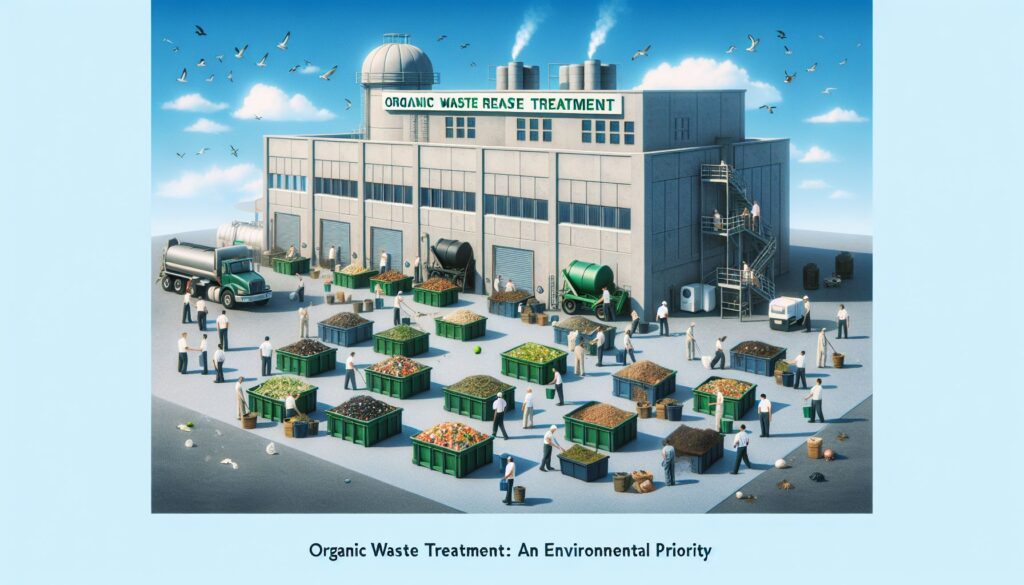
In the twenty-first century, the issue of waste management has taken on new significance. With population densities continuing to increase along with urbanization rates, waste generation has been on the upsurge. Therefore, managing waste, particularly organic waste, has become a top environmental priority. Organic waste treatment plays a vital role in preserving the environment as well as fostering sustainability. The key strategy of organic waste management centers on the concept of treating waste to retrieve valuable resources or for environmental conservation. One common organic waste treatment method focuses on the biological treatment.
Getting a Grip on Organic Waste
Organic waste consists of all biodegradable waste that includes food waste along with green or garden waste,[^1^]. Other organic wastes could be composed of paper, wood, and similar types of waste that predominantly originated from plant or animal sources. Organic waste treatment becomes necessary because untreated organic waste can have dire environmental consequences including contamination of ground or surface water resources and emission of greenhouse gases. Luckily, a number of effective treatment procedures have been devised for dealing with organic waste.
The Biological Treatment
The biological treatment method for dealing with organic waste can be categorized into two; aerobic and anaerobic. Both treatment options are characterized by microbial degradation of organic waste in the presence or absence of oxygen.
Aerobic Composting
Aerobic composting is the most common form of organic waste treatment. It’s a method characterized by the degradation of organic waste in the presence of air. The organic waste material is treated by naturally occurring microbes in a process that involves four stages identified as mesophilic, thermophilic, cooling and maturation stages. It often results in production of compost, heat and release of carbon dioxide[^2^].
Anaerobic Digestion
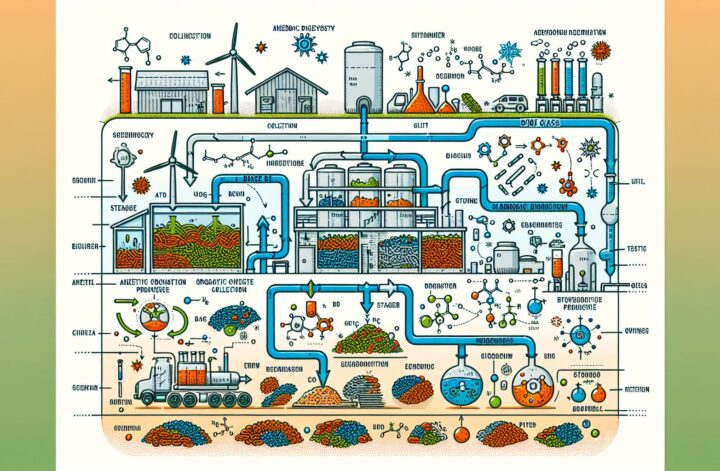
Anaerobic digestion, on the other hand, deals with the degradation of organic waste in sealed, airless conditions. Anaerobic digestion comprises of four primary stages: Hydrolysis, Acidogenesis, Acetogenesis and Methanogenesis. The end result of anaerobic digestion are biogas and digestate, a nutrient-rich natural fertilizer[^3^].
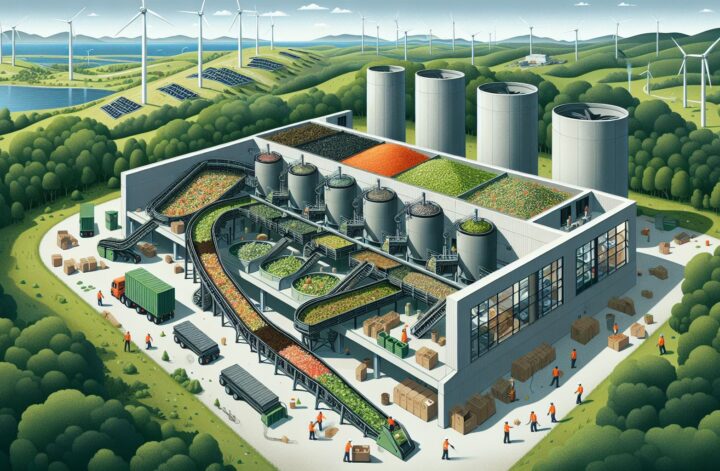
The beauty of anaerobic digestion is that it’s a two-in-one solution; it offers waste treatment and renewable energy generation concurrently. The biogas produced is a blend of methane and carbon dioxide, ideal for heating or electricity production, while the digestate is perfect for agricultural application as a soil amendment product.
Conclusion
In conclusion, organic waste treatment has immense benefits for environmental preservation. While there exist numerous methods for waste treatment, biological methods stand out based on their environmental friendliness. Besides the environmental gains, converting organic waste into critical resources such as renewable energy and nutrient-rich fertilizers can have considerable economic benefits. Therefore, it’s indeed necessary to make organic waste management a primary concern for nurturing sustainability.
References
[^1^]: “Waste management – Organic waste”, Wikipedia, 2021. [Online]. Available: https://en.wikipedia.org/wiki/Waste_management#Organic_waste. [Accessed: 22- Sep- 2021].
[^2^]: “Composting At Home | US EPA”, U.S. Environmental Protection Agency, 2021. [Online]. Available: https://www.epa.gov/recycle/composting-home. [Accessed: 22- Sep- 2021].
[^3^]: “Anaerobic digestion: process | biogas”, Climate Action – European Commission, 2021. [Online]. Available: https://ec.europa.eu/clima/policies/international/paris_protocol/biogas/process_en. [Accessed: 22- Sep- 2021].