Methane capture, a vital component of renewable energy technologies, is a cutting-edge and formidable solution to the world’s escalating greenhouse gas problem. Methane, a greenhouse gas with twenty-five times the global warming potential of carbon dioxide over a 100-year period, can be captured and converted into a useful energy resource[^1^]. This article delves into the science and feasibility of methane capture, from its ecological impact, the current mechanisms in place, and its future potential in strengthening our energy resilience.
The Environmental Impact of Methane
Methane’s potency as a greenhouse gas creates dire environmental consequences, contributing significantly to climate change. It primarily enters the atmosphere via the degradation of organic material in oxygen-free environments, which are usually landfills, coal mines, oil and gas operations, and livestock farming[^2^]. The increasing concentration of methane in the atmosphere aggravates the greenhouse effect, intensifying the global warming crisis.
How Does Methane Capture Work?
Methane capture involves a process called anaerobic digestion, which breaks down organic material in the absence of oxygen, leading to the production of biogas rich in methane. The captured methane is then ready for various uses, mainly for generating electricity, providing heat, or further conversion to other chemicals[^3^]. Integrating methane capture in waste management not only reduces methane emissions but propels us quite a distance towards sustainability.
Methane Capture Technologies
- Landfill Gas Collection: This is the most widespread methane capture technology. Landfills are massive anaerobic digestion chambers, and as organic waste degrades, it yields a sizable amount of methane[^2^]. Using collection systems made of wells and pipelines, this methane is gathered and treated, rendering it safe for further use.
- Coal Mine Methane Recovery: Coalbed methane, a byproduct of coal formation, can be released into the atmosphere during coal mining activities. Methane recovery projects harness this fugitive greenhouse gas, mitigating environmental harm and creating a renewable energy source.
- Biogas from Livestock Manure: Large-scale livestock operations are significant contributors to methane emissions. Anaerobic digesters can break down the manure, capturing biogas while also producing nutrient-rich fertilizers.
The Potential and Future of Methane Capture
Climate change, waste management, and energy insecurity have increasingly been at the top of the global agenda. One solution that befits all three problems is methane capture. Its optimal utilization will bring about a significant diversion from conventional sources of energy, heavily reliant on fossil fuels, to more renewable, sustainable alternatives[^2^].
Moreover, with technological advancements, the efficacy of methane capture systems will likely improve. Alongside measures to capture and utilize methane, strategic efforts should also be made to reduce methane release at the source.
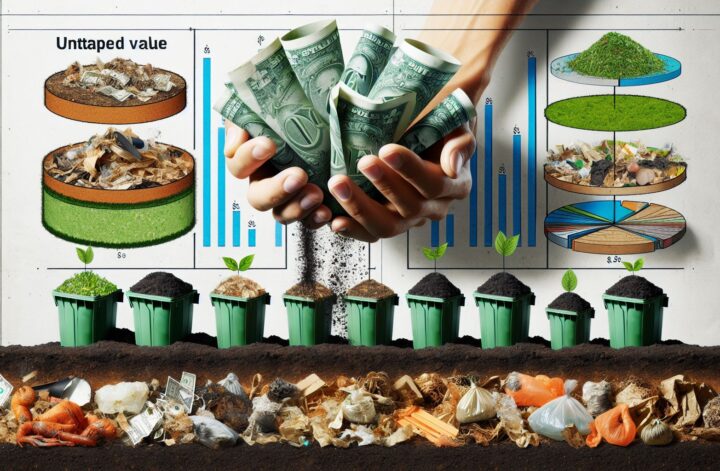
While we must remember that methane capture is not a panacea for all environmental issues, it does constitute a significant step in the right direction. The major hurdle now is the quantifiable demonstration of the economic benefits of methane capture and, simultaneously, the environmental cost of inaction.
Our collective fight against climate change has entered a stage where solutions are not just desirable but an absolute necessity. By harnessing the hidden potential of methane capture, we can make huge strides in this endeavor, leaving a healthier planet for future generations.
[^1^]: IPCC, 2007: Climate Change 2007: The Physical Science Basis. Contribution of Working Group I to the Fourth Assessment Report of the Intergovernmental Panel on Climate Change [Solomon, S., D. Qin, M. Manning, Z. Chen, M. Marquis, K.B. Averyt, M. Tignor and H.L. Miller (eds.)]. Cambridge University Press, Cambridge, United Kingdom, and New York, NY, USA.
[^2^]: U.S. EPA (2020). Opportunities to Reduce Methane Emissions. U.S. Environmental Protection Agency. https://www.epa.gov/lmop/basic-information-about-landfill-gas
[^3^]: Angelidaki I., Treu, L., Tsapekos, P., Luo, G., Campanaro, S., Wenzel, H., & Kougias, P. G. (2018). Biogas upgrading and utilization: Current status and perspectives. Biotechnology Advances, 36(2), 452–66. https://doi.org/10.1016/j.biotechadv.2018.01.011