Advancements in waste treatment technologies have elevated the focus on sustainable practices and energy generation. One such technique leveraging waste streams for producing renewable energy is “Co-Digestion.” As a revolutionary method, co-digestion encapsulates the qualities of waste management and energy generation, presenting a solution that could answer pressing environmental concerns. To fully grasp co-digestion’s potential, this article will delve into its core principles, functional process, advantages, challenges, and future prospects.
What is Co-Digestion?
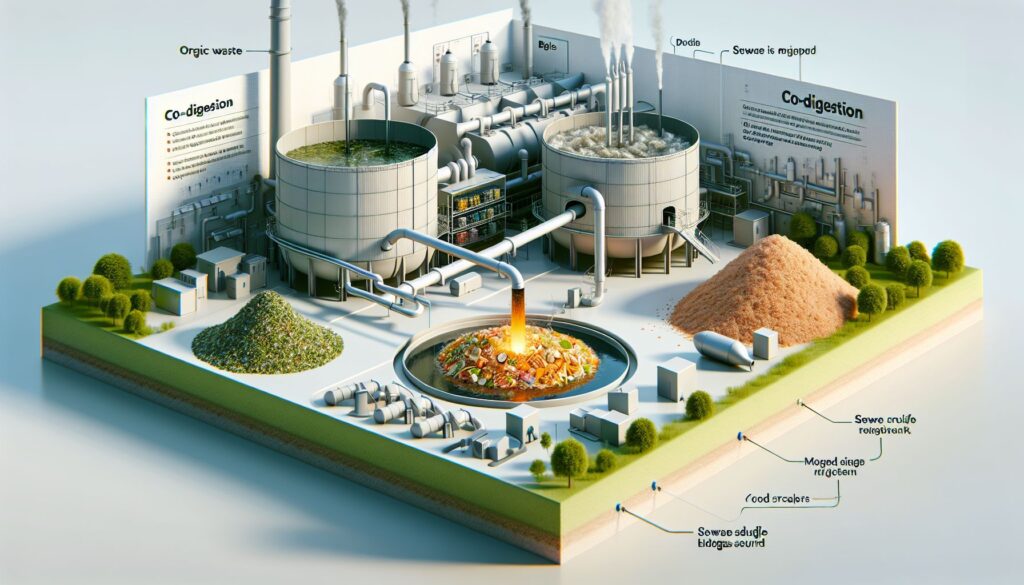
Co-digestion is the simultaneous digestion of multiple organic substrates in one single anaerobic digestion system. It utilizes various organic wastes such as agricultural residues, animal manure, food waste, sewage sludge, and other organic waste materials. The fundamental of co-digestion is to blend different feedstocks to minimize limiting factors and improve the overall digestion process[^1^].
Understanding the Functional Process
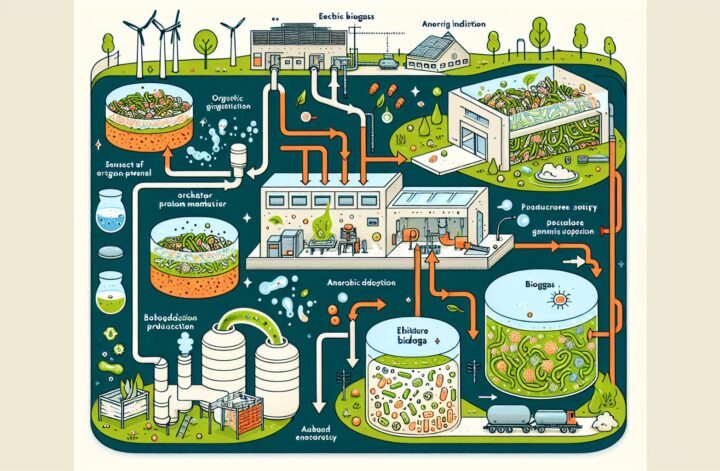
The co-digestion process follows four primary stages: hydrolysis, acidogenesis, acetogenesis, and methanogenesis. These phases collectively decompose complex organic materials into manageable molecules and ultimately, into biogas[^2^].
Hydrolysis: The initial step sees proteins, carbohydrates, and lipids in the feedstock being broken down into simpler forms—amino acids, sugars, and fatty acids by hydrolytic bacteria.
Acidogenesis: Hydrolysis results are further acted upon by acidogenic bacteria, producing volatile fatty acids, carbon dioxide, hydrogen, ammonia, and various organic compounds.
Acetogenesis: Acetogenic bacteria then step in, converting organic compounds into acetates.
Methanogenesis: The final step involves methane-producing (methanogenic) bacteria that utilize the acetates, carbon dioxide, and hydrogen to produce methane.
These distinct stages ensue in a single continuous flow system, allowing uninterrupted processing of organic waste into energy-rich biogas.
Advantages of Co-Digestion
Co-digestion has several benefits, most notably:
1. Enhanced Biogas Production: Co-digestion optimizes the digestion process and improves biogas yield by tackling nutrient imbalances present in single substrates.
2. Nutrient Cycling: The residual sludge, also known as digestate, can be used as a fertilizer, thereby promoting nutrient recycling.
3. Improved Waste Management: Co-digestion offers an integrated solution for treating various waste materials, thereby reducing waste volume and potential environmental impacts.
Challenges in Co-Digestion
While the merits of co-digestion are significant, the process does present some challenges:
1. Inhibition of Anaerobic Digestion: Some elements present in the wastes like ammonia, hydrogen sulfide, or high levels of volatile fatty acids can inhibit the anaerobic digestion process, leading to lower biogas production.
2. Feedstock Imbalances: Similar to making a good recipe, finding the right balance of ingredients is crucial in co-digestion. The wrong mix can result in an unstable digestion process culminating in system failure.
3. Regulatory Hurdles: Legislations concerning waste management and disposal can limit the types and quantities of organic waste accepted at a co-digestion facility.
The Future of Co-Digestion
As the demand for renewable energy sources and efficient waste management rises, co-digestion seems poised to play an increasingly valuable role. Advanced research is focusing on optimizing this process while mitigating challenges. One such emerging aspect is optimizing digestate value by generating value-added products from it.
Understanding the critical role of trace elements in anaerobic digestion, supplementation with these elements might showcase an effective approach to enhancing co-digestion performance. Furthermore, an increase in government support and positive regulatory changes could spur the upscaling of co-digestion facilities, accelerating the adoption of this sustainable technology.
In conclusion, co-digestion presents a promising solution to two significant issues of our time—waste management and the need for renewable energy. By unlocking the full potential of anaerobic digestion, co-digestion wields the power to transform organic wastes into a valuable energy source, thereby advancing toward a sustainable future.
Sources:
[^1^] Murphy, J. D., & Thamsiriroj, T. (2013). Fundamental science and engineering of the anaerobic digestion process for biogas production. In Advances in Biogas.
[^2^] Zhou, S., Zhang, Y., & Dong, H. (2016). The understanding of the conversion of organic wastes into biogas in China—A review. Journal of the Science of Food and Agriculture.
[^3^] Sosnowski, P., Klepacz-Smółka, A., Kaczorek, K., Ledakowicz, S., & Słupek, E. (2009). The effect of different operational conditions on anaerobic co-digestion of sewage sludge in municipal waste water treatment plant. Polish Journal of Environmental Studies.