Anaerobic Digestion: Insight into Methane Capture and Its Role in Renewable Energy

Anaerobic Digestion (AD) is a series of biological processes in which microorganisms break down biodegradable material in the absence of oxygen. A key product of AD is biogas, which is largely composed of methane and carbon dioxide. Capturing and using this methane as a renewable energy source has considerable potential for both environmental and economic benefits. This article will focus on methane capture, exploring its process, advantages, and its crucial role in the production of renewable energy.

What is Methane Capture?

Methane capture is the process of obtaining methane from different sources, including waste products, and converting it into a useable form. One of the main applications is in the generation of renewable energy. Methane, though it is a potent greenhouse gas, is also a valuable source of energy that can be captured and utilized efficiently in various sectors, such as electricity generation, heating, and transportation[^1^].

Methane Emission Sources and Capture Techniques

Methane is released into the environment by various natural and human activities. The main contributors to anthropogenic methane emissions include agriculture (livestock and rice cultivation), waste management (landfills and wastewater), and the energy sector (coal mining, oil and gas operations).

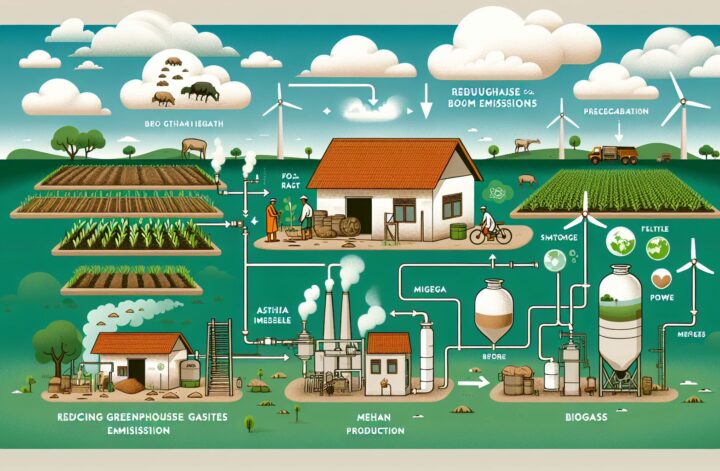
While capturing methane from these sources poses numerous challenges, there are effective methods of doing so. In the waste management sector, for instance, AD and landfill gas recovery systems are used. In agriculture, methane capture can be achieved through changes in livestock and manure management practices, such as the implementation of AD systems in livestock waste management[^2^].

Methane Capture and Anaerobic Digestion

Anaerobic digestion is a natural process that utilizes microorganisms to break down organic matter, such as plant and animal waste, in an oxygen-free environment. This process occurs in several stages: hydrolysis, acidogenesis, acetogenesis, and methanogenesis. During the final stage, methanogenesis, specific groups of microorganisms (methanogens) convert the products of the previous stages into methane, carbon dioxide, and trace amounts of other gases.

One of the advantages of AD and the subsequent methane capture is the conversion of waste that would otherwise decay and release methane directly into the atmosphere into a valuable renewable energy source. Additionally, the AD process also results in a nutrient-rich residue termed ‘digestate’, which can be utilized as a soil amendment[^3^].

The Role of Methane in Renewable Energy

The global energy system is currently dominated by fossil fuels. However, their finite nature and the environmental impacts associated with their use have driven a shift toward renewable energy sources. Biogas, predominantly composed of methane, which can be captured and utilized through AD, stands as a significant alternative energy source with a multitude of benefits, both ecologically and economically.

Benefits of Methane Capture and Usage

Capturing methane and using it as an energy source provides several advantages:

  • Renewable Energy Source: Methane is continually produced through natural biological processes, ensuring a sustainable source of energy.

  • Environmentally Friendly: Capturing and utilizing methane helps reduce greenhouse gas emissions that would otherwise contribute to climate change.

  • Waste Management: Methane capture offers an effective way to manage organic waste.

  • Economic Benefits: Biogas can be sold to national energy grids or used to generate heat and electricity onsite, offsetting costs and potentially generating income.

In conclusion, methane capture and its role in renewable energy presents significant potential for environmentally sustainable growth. Advancements in AD technologies and the commitment to combating climate change have driven the recognition and adoption of methane as a valuable renewable energy resource.

Improvements in AD efficiency, further research into microbiological processes, and investments in infrastructure are required to fully capitalize on the renewable energy potential of methane. But as understanding of AD and methane capture continues to grow, so too does the prospect of creating a sustainable and low-carbon future.

Sources

[^1^]: ‘Methane Emissions and the Use of Methane as an Energy Source.’ (2019). Methane Emissions: from measurement to mitigation. London: IChemE Energy Centre. https://www.icheme.org/media/12401/methane-emissions-energy-centre.pdf

[^2^]: ‘Anaerobic Digestion of Manure and Agricultural Residues to Produce Biogas.’ (2018). Smart Agriculture. INRAE. https://www.smart-akis.com/index.php/network/innovations/I-45-anaerobic-digestion-of-manure-and-agricultural-residues-to-produce-biogas/

[^3^]: ‘Anaerobic Digestion Basics.’ (2021). The Anaerobic Digestion & Bioresources Association. https://adbioresources.org/about-ad/ad-basics

[^4^]: ‘Renewable Gas: Vision for a Sustainable Gas Network.’ (2018). Future Energy Networks. http://www.energynetworks.org/assets/files/gas/futures/KPMG%20Future%20of%20Gas%20main%20report%20plus%20appendices%20FINAL.pdf

Continue Reading

A Comprehensive Guide to Co-digestion in Biogas Production: A Renewable Energy Solution

Biogas production is a key component of sustainable development, contributing to energy conservation, waste reduction, and value generation from organic waste materials. One of the fundamental techniques in biogas production is co-digestion. This process involves the digestion of multiple organic waste types in a single biogas system, which significantly enhances the efficiency and effectiveness of biogas production[^1^].

Anaerobic Digestion: A Prerequisite for Biogas Production

At the heart of biogas production is Anaerobic Digestion (AD), a process where microorganisms are used to break down biodegradable feedstocks in the absence of oxygen. The breakdown of these organic materials within the anaerobic digester leads to the production of a gaseous blend of methane (CH4) and carbon dioxide (CO2) known as biogas[^2^].

The process of anaerobic digestion takes place in four stages: the hydrolysis stage, the acidogenesis stage, the acetogenesis stage, and finally, the methanogenesis stage. These steps work in synergy, transforming the organic materials into biogas and releasing a nutrient-rich residual referred to as digestate.

The Rationale Behind Co-digestion

Co-digestion offers two main advantages. Firstly, co-digestion enables the breakdown and treatment of different types of organic waste materials simultaneously. Instead of handling organic waste types individually, they can be co-digested together, resulting in increased efficiency and the potential production of a more enriched biogas.

Secondly, co-digestion allows for the complementary use of different waste substrates. Some feedstocks possess high carbon content but low nitrogen levels and vice versa. Through co-digestion, biogas systems can use a blend of feedstocks that advantages each other’s weaknesses and enhances overall biogas production[^1^].

Co-digestion on a Larger Scale

On a larger scale, co-digestion plays a pivotal role in waste treatment and renewable energy production. Due to the efficiency attributed to co-digestion, more organic waste materials can be treated per time within a biogas system. This results in significant reduction in the total volume of waste materials, and in turn, a substantial decline in overall waste management costs.

Furthermore, co-digestion’s ability to enhance biogas production means there’s a larger reserve of renewable energy source that can be used to meet energy demands. This has implications for reducing dependency on fossil fuels and mitigating the release of greenhouse gases that contribute to climate change[^3^].

Co-digestion Challenges and Considerations

Despite the potentials offered by co-digestion, a few challenges can arise. One of the common hurdles faced in co-digestion is incompatibility issues between different feedstocks. For instance, some feedstocks may contain substances that inhibit or slow down the digestion of other feedstocks. Therefore, careful consideration and planning is required in selecting the feedstocks to co-digest[^1^].

Another challenge concerns logistic issues. The feedstocks for co-digestion will often come from different sources, and transporting these to the biogas plant can involve additional costs and efforts. To mitigate this, biogas plants can be strategically positioned to reduce transportation distance and costs[^3^].

Final Thoughts

Co-digestion offers promising potential for enhancing biogas production efficiency and significantly contributing to sustainable waste management and renewable energy production. It is therefore an area worth exploring and investing in.

The key to successful and efficient co-digestion lies in understanding the properties of different organic waste materials and selecting favorable combinations that will enhance each other’s strengths while compensating for their weaknesses. It is also crucial to factor in logistic considerations and carefully tread the line between cost-effectiveness and operational efficiency.

[^1^]: Callaghan, F. J., Wase, D. A. J., Thayanithy, K., & Forster, C. F. (2002). Co-digestion of waste organic solids: batch studies. Bioresource Technology, 83(3), 259-263.

[^2^]: Abbassi-Guendouz, A., Brockmann, D., Trably, E., Dumas, C., Delgenès, J. P., & Escudié, R. (2012). Total solids content: a key parameter of metabolic pathways in dry anaerobic digestion. Bioresource Technology, 111, 55-61.

[^3^]: Schievano, A., D’Imporzano, G., & Adani, F. (2009). Substituting energy crops with organic wastes and agro-industrial residues for biogas production. Journal of environmental management, 90(8), 2537-2541.

Continue Reading

Sustainable revolution: The Impact of Biogas Production and Its Varied Applications

In an era marred by the ravages of climate change, conversations around sustainable, renewable, and green energy have become increasingly critical—ultimately leading us to the potential of biogas production. Biogas, a natural by-product of the decomposition of organic matter, presents a crucial renewable alternative to traditional fossil fuels. This article explores the process, benefits, and implications of biogas production, thereby shining a light onto a sustainable and promising solution to modern energy challenges.

What is Biogas Production?

Biogas production involves the transformation of organic waste into a potent source of energy. This process is a type of anaerobic digestion (the breakdown of organic material in absence of oxygen) conducted by microbes, which leads to the creation of a combustible mix primarily consisting of methane and carbon dioxide¹.

The Mechanism behind Biogas Production

The biogas production process mainly includes four stages: Hydrolysis, Acidogenesis, Acetogenesis, and Methanogenesis.

  • Hydrolysis is the initial phase where complex organic compounds such as carbohydrates, proteins, and fats are broken down into simple sugars, amino acids, and fatty acids respectively.
  • Following hydrolysis, the Acidogenesis stage involves the conversion of these simple compounds into volatile fatty acids and other by-products.
  • The Acetogenesis phase further breaks down these products into a potent mixture of hydrogen, carbon dioxide, and acetic acid.
  • The final stage is Methanogenesis, in which methane-producing bacteria (methanogens) convert the previous compounds into methane and carbon dioxide, the primary components of biogas[^2].

^²

Biogas Upgrading and Its Many Uses

While raw biogas is rich in methane, it also contains other gases like carbon dioxide, hydrogen sulfide, and trace elements that restrict its use in certain applications. Biogas upgrading is an integral part of the process which involves purifying and enriching the gas to increase the concentration of methane, rendering it suitable for use as a conventional natural gas substitute³.

Biogas is a versatile player in the field of alternative energy sources. It can be used for various purposes, such as electricity and heat production in combined heat and power (CHP) systems, or as vehicle fuel once it’s further purified. It’s also often used for cooking and heating, particularly in rural areas where access to conventional energy sources may be limited. Additionally, integrating the biogas system into waste treatment processes can accelerate the waste stabilization and reduction in volatile solids, thereby promoting effective waste management procedures[^4].

^

The Perks of Biogas Production

  1. Renewable Energy Source: As biogas is a product of organic waste decomposition, its sources are constantly replenished, making it a reliable and sustainable energy alternative. From agricultural and livestock waste to sewage sludge and food waste, numerous raw materials drive biogas production.

  2. Greenhouse gas reduction: Capturing methane through biogas production helps prevent its emission into the atmosphere, contributing to the reduction of greenhouse gas emissions. Methane, a potent greenhouse gas, has a global warming potential 21 times higher than carbon dioxide[^6].

  3. Waste Management: Biogas production from organic waste aids in organic waste treatment, contributing to sludge stabilization and biosolids management. The solid byproduct (digestate) can serve as a nutrient-rich fertilizer, thus achieving a circular system of energy and nutrient recovery[^7].

  4. Energy saving: The energy derived from biogas can replace traditional fossil fuels used for cooking, heating, and electricity

    ^²
    ^
    ^

Conclusion

The increasing world population and the consequent rise in energy demand necessitate the continuous search for alternative sources of energy. Complemented with waste management benefits and the potential to mitigate climate change impacts, biogas production presents a compelling, practical, and sustainable solution to many contemporary issues. Further research and innovation, along with supportive policy frameworks, will likely enhance the application and effectiveness of biogas, bringing us closer to a more sustainable future.

Continue Reading

The Multidimensional Benefits of Biogas Production

Biogas is, essentially, a type of biofuel that is naturally generated from the decomposition of organic waste. When organic matter like plants, animal waste, and even kitchen waste decompose, they give off a mixture of gases, primarily methane and carbon dioxide. In this article, we will discuss the benefits, challenges, and processes related to biogas production.

What is Biogas?

Biogas is a type of biofuel produced by the breakdown of organic matter in the absence of oxygen. The process, known as anaerobic digestion, occurs within a structure called an ‘anaerobic digester’ or a ‘biogas plant’.

The main elements of biogas are methane (CH4) and carbon dioxide (CO2), though it also contains small amounts of other gases such as hydrogen, nitrogen, and traces of other gases. The exact composition of biogas can vary depending on the organic matter being processed. Methane, however, is a valuable gas because it is a strong greenhouse gas with a global warming potential 24 times greater than carbon dioxide (1).

Biogas Production Process

The production of biogas involves four main stages: hydrolysis, acidogenesis, acetogenesis, and methanogenesis. This is a complex process involving various types of bacteria, each performing a specific function, which is why maintaining the right growth conditions for these bacteria is essential for the efficient production of biogas.

In the first stage, hydrolysis, complex organic matter is broken down into simpler organic matter like sugars, amino acids and fatty acids. In the acidogenesis stage, further break down occurs, resulting in volatile fatty acids and additional ammonia, carbon dioxide, and hydrogen sulfide. The third stage, acetogenesis, involves the formation of acetic acid, additional ammonia and hydrogen from the volatile fatty acids produced in the previous stage. Finally, during methanogenesis, methane, carbon dioxide and water are produced from the acetic acid, hydrogen, and other products (2).

Benefits of Biogas Production

The production of biogas presents numerous benefits spanning environmental, economic, and social aspects.

Environmental Benefits

  1. Renewable Source of Energy: Biogas production involves recycling waste materials that are otherwise dumped in landfills, burnt openly or dumped into water bodies. With the world grappling with the adverse effects of climate change, the need for renewable sources of energy has never been greater.

  2. Reduction of Greenhouse Gas Emissions: Methane, a potent greenhouse gas, is a major contributor to global warming. By capturing this gas as a byproduct of the anaerobic digestion process, biogas production helps to significantly reduce greenhouse gas emissions.

  3. Sludge Stabilization: The sludge produced from wastewater treatment plants is also treated and stabilized during anaerobic digestion. This reduces its volume, eliminates pathogens, and makes it easier to handle and dispose of.

  4. Reduced Reliance on Fossil Fuels: Fossil fuels are not only a finite resource but their extraction and use also significantly contribute to environmental degradation. Biogas serves as a sustainable alternative to these non-renewable resources.

Economic Benefits

  1. Cost Savings: Biogas can be used as a low-cost fuel in different sectors such as heating, electricity generation, and transportation. It also offers a cost-effective solution for waste management.

  2. Employment Generation: The biogas industry creates job opportunities in construction, operation, and maintenance of biogas plants.

  3. Fertilizer Production: The by-product of biogas production, known as ‘digestate’, is rich in nutrients and can be used as a fertilizer.

Social Benefits

  1. Improved Health: Open burning of waste materials releases harmful gases that can cause health problems. By treating waste anaerobically, this problem is significantly mitigated.

  2. Promotion of Sustainable Practices: The biogas production process encourages efficient waste management practices which align with the concept of sustainable development.

Challenges and Sustainability Factors

For biogas exploitation to be sustainable, its production process must be considerate of its environmental impact while also being economically viable. Production should not cause biodiversity loss, water and soil pollution, and negative socio-economic impacts. These potential concerns can be mitigated by locating operations in degraded or marginal lands, choosing feedstocks that do not compete with food crops, and maintaining good environmental governance (1).

Additionally, understanding the microbiology of anaerobic digestion and addressing possible inhibitions are crucial for the continuous improvement of the process efficiency. These include avoiding ammonia and sulfide toxicity and ensuring trace element supplementation when required.

Conclusion

Biogas production stands at a significant intersection between waste management, renewable energy sources, and sustainable agriculture. It offers a promising alternative to conventional fossil fuels and plays an important role in our transition towards low-carbon economies and sustainable societies. Its benefits are plentiful, from reducing greenhouse gas emissions, generating a renewable source of energy, to providing a cheaper substitute for traditional fossil fuels. However, to realize its full potential, further investment and research in the sector are essential.

Sources

  1. Ahamed, A., & Yin, K. (2017). An overview of biogas production and utilization at full-scale wastewater treatment plants (WWTPs) in the United States: Challenges and opportunities towards energy-neutral WWTPs. Renewable and Sustainable Energy Reviews, 75, 1131-1145. Link.
  2. Stein, W. (2008). Biogas from waste and renewable resources. Wiley-VCH. Link.
  3. Weiland, P. (2010). Biogas production: current state and perspectives. Applied Microbiology and Biotechnology, 85(4), 849-860. Link.
Continue Reading

Renewable Energy and Its Future: Shaping a Sustainable Environment

In the face of rising energy demands and growing global crises in climate change, renewable energy has emerged as a viable solution for mitigating environmental impacts while meeting energy demand. Various types of renewable energy sources have been investigated and implemented including solar power, wind energy, geothermal energy, and biomass. But today we’re going to concentrate our attention on biogas production and other associated processes that play a crucial role in the renewable energy sector. Studies have shown that bioenergy, particularly biogas, has the potential to be a significant part of the solution to our sustainable energy needs [1].

What is Biogas?

At its core, biogas is a type of biofuel produced from the decomposition of organic matter by microbes under anaerobic conditions (i.e., in the absence of oxygen). The primary constituents of biogas are methane and carbon dioxide with traces of other gases. In proximity to the process of biogas production, other essential aspects and terminologies need to be familiar, including anaerobic digestion, co-digestion, biosolids, and digestate.

Anaerobic Digestion and Co-Digestion

Anaerobic digestion refers to the biological process in which microorganisms break down organic materials in the absence of oxygen. This is considered a highly efficient, eco-friendly process for the treatment of a wide variety of organic wastes including agricultural residues, municipal wastes, and industrial sludge [2].

In the context of anaerobic digestion, co-digestion is a practice where two or more waste types are digested together to produce biogas. This method increases the overall yield of biogas and has been found to enhance the nutrient balance of the system, thus making the process more stable and efficient [3].

Biosolids and Digestate

Biosolids is a term used to describe the organic sludge produced during wastewater treatment which has undergone additional processing for pathogen reduction, making it safe to use as a soil conditioner. Digestate, the by-product of anaerobic digestion, is a nutrient-rich substance that can act as a quality, organic fertilizer for crops [4].

The Significance of Renewable Energy and Biogas Production

Steady advancements in technology and infrastructure have made the production and use of renewable energy more accessible and cost-effective. This shift towards renewable energy is a crucial step in reducing our carbon footprint and reliance on fossil fuels that contribute to climate change.

Biogas production plays a pivotal role in this shift towards sustainability. It not only offers a source of renewable energy but also provides a beneficial way of managing the abundant organic waste that otherwise goes unexploited or incinerated, contributing to carbon and methane emissions. Through the anaerobic digestion process, these wastes can now be harnessed to generate energy, reducing greenhouse gas emissions, and contributing to a circular, sustainable economy [1].

Future Perspectives

The utilization of renewable energy technologies, such as biogas production, continues to proliferate worldwide. They hold the key to meeting our energy demands while mitigating environmental impacts, supporting economic growth, and promoting sustainable practices. Ongoing research and development in enhancing the efficiency and profitability of biogas production will undoubtedly lead to promising improvements and broader application in the future.

We need to remember that our journey towards achieving sustainable energy solutions is a marathon, not a sprint. And while we’re making remarkable progress in leveraging renewable sources like biogas, there is still great scope for advancement and refinement. New technologies, policy reforms, and societal changes on a global level will play a vital part in shaping the future of an energy world where renewables take center stage.

References

[1] IEA (2019), “Renewable Energy: Bioenergy”, IEA, Paris https://www.iea.org/renewables2019/bioenergy/

[2] Deublein, D.; Steinhauser, A. (2008) Biogas from Waste and Renewable Resources. Wiley-VCH Verlag GmbH & Co. KGaA. https://doi.org/10.1002/9783527621706

[3] Holm-Nielsen, J.B., Al Seadi, T., Oleskowicz-Popiel, P. (2009), “The future of anaerobic digestion and biogas utilization.” Bioresource Technology, 100 (22), pp. 5478–5484.

[4] U.S. Environmental Protection Agency (2016) “A Plain English Guide to the EPA Part 503 Biosolids Rule.” https://www.epa.gov/biosolids/plain-english-guide-epa-part-503-biosolids-rule

Continue Reading

Greenhouse Gas Reduction through Biogas Production

Greenhouse gases (GHGs) comprise a large part of the environmental damage that’s resulting in climatic change. As such, the search for innovative and sustainable ways to reduce their concentration in the atmosphere has become a priority. One of such solutions is the production of biogas, which is a more environment friendly alternative to traditional fossil fuels.

What is Biogas?

Biogas is a naturally occurring type of biofuel that is produced from the breakdown of organic material in an oxygen-free environment. This process, known as anaerobic digestion, involves four integral parts: hydrolysis, acidogenesis, acetogenesis, and methanogenesis. This eventually produces a gas rich in methane (CH4) and carbon dioxide (CO2), with minor traces of other gases^1^.

Biogas Production

For biogas to be produced, organic waste materials such as livestock manure, municipal solid waste, plant material, sewage, food waste, and others undergo a natural biological process in the absence of oxygen. This is carried out in a structure called an anaerobic digester[^2^]. This allows for the organic waste to be broken down and decomposed by bacteria, thereby producing biogas.

The process begins with the hydrolysis phase, where complex organic compounds are broken down into simple sugars, amino acids, and fatty acids. The next phase, acidogenesis, involves the breaking down of the products from the previous phase into volatile fatty acids and other compounds. During acetogenesis, the volatile fatty acids and other compounds are converted into hydrogen, carbon dioxide, and acetates. The process wraps up with methanogenesis where methane and carbon dioxide are created[^2^].

Benefits to Greenhouse Gas Reduction

Producing and utilizing biogas presents manifold benefits to the reduction of greenhouse gases in numerous ways.

  1. Waste Management: Biogas production provides a practical and efficient way of managing organic waste. This waste if left to decompose naturally, it would produce a significant amount of methane, a greenhouse gas about 28 times more potent than carbon dioxide. The capture and use of this gas via biogas production considerably reduces the amount being released into the atmosphere[^3^].

  2. Replacement for Fossil Fuels: Biogas can be used for numerous purposes such as cooking, heating, and the production of electricity. It can also be upgraded to biomethane, a renewable alternative to natural gas. So, using biogas reduces our reliance on fossil fuels, thereby reducing the amount of greenhouse gases produced from burning fossil fuels^1^.

  3. Soil Conditioning: The byproduct of biogas production, known as digestate, is rich in nutrients and can be used to improve soil conditioning and fertility.

Conclusion

To attain the goals of the Paris Agreement and other initiatives aimed at mitigating climate change, quantifiable measures to reduce greenhouse gas emissions are paramount. Biogas production stands as a solution to reducing the global carbon footprint in a sustainable and renewable manner.

[^2^]: National Geographic
[^3^]: Yale Climate Connections

Continue Reading

Biogas Production: An Essential Step Towards Renewable Energy

Among the myriad methods humans have devised to harness the power of our planet, biogas production stands as a beacon of sustainability and ecological concern. An upshot of advancing technology and increasing awareness regarding our planet’s health, biogas production speaks volumes about our abilities to turn waste into wonders. This article aims to delve deep into the world of biogas production, its core components, mechanisms and benefits that make it a crucial component in the race towards renewable energy.

What Is Biogas?

Biogas refers to a blend of different gases produced via the process of anaerobic digestion or the fermentation of organic materials under certain environmental conditions. Also known as swamp gas, landfill gas, and digester gas, its main constituents are methane and carbon dioxide, with traces of some other components. Its robust calorific value and ease of usage make biogas a pivotal player in renewable energy sources[^1^].

The Production of Biogas

The biogas production process leans heavily on anaerobic digestion, a sequence of biological processes that disintegrates organic material in the absence of oxygen. Essentially, it follows the same principles that guide the natural decomposition process. However, in this case, we control the environment to streamline the conversion of organic waste into valuable biogas and digestate.

The process transpires through four cardinal steps: Hydrolysis, Acidogenesis, Acetogenesis, and Methanogenesis[^2^].

  1. Hydrolysis: The initial step wherein complex organic materials—like lipids, carbs, and proteins—are broken down into simpler sugar, amino acid, and fatty acid chains.
  2. Acidogenesis: The subsequent phase where these simpler compounds are converted into volatile fatty acids, ammonia, carbon dioxide, hydrogen, and others.
  3. Acetogenesis: Here, the byproducts of acidogenesis are turned into acetates, carbon dioxide, and hydrogen.
  4. Methanogenesis: The final step wherein certain microorganisms, called methanogens, oxidize the products of acetogenesis into methane and carbon dioxide[^3^].

Types of Digesters and Digestion

Biogas production usually happens within a specific structure known as a digester, where organic matter is stored during the process of anaerobic digestion. Based on the environmental conditions, these digestions are broadly categorized into two types: Mesophilic and Thermophilic.

Mesophilic digestion usually occurs within a temperature range of 20°C to 40°C and takes a much longer period. Conversely, thermophilic digestion happens between 45°C to 60°C, making the digestion process more rapid but also more sensitive to changes in conditions[^4^].

Benefits of Biogas Production

The most apparent benefit of biogas production lies in its status as a renewable energy source due to its primary ingredient being waste material. The organic waste that would otherwise end up in landfills gets converted into energy and valuable byproducts. Additionally, biogas production also lowers methane emissions, a potent greenhouse gas, thus reducing our carbon footprint and combatting climate change.

The digestate obtained from biogas production, rich in nutrients, can be utilized as a biofertilizer, thus forming a closed loop of waste utilization. From households to industrial scale, biogas systems add value in reducing energy dependency and contributing to a sustainable future[^5^].

Looking Forward

Biogas ushers in a golden opportunity to reduce dependency on conventional energy sources while mitigating environmental concerns. Its potential to convert waste into energy not only echoes influentially about our endeavors towards recycling but also offers a promising solution to the ever-looming energy crisis. By gravitating towards sustainable practices like biogas production, we take a significant step forwards towards a cleaner, greener, and sustainable future.

[^1^]: (Scientific, American., 2016, Biogas: Converting waste into energy)
[^2^]: (Arthur, Wellinger, & Murphy, 2016, The Biogas Handbook)
[^3^]: (Electricity, 2019, How does anaerobic digestion work)
[^4^]: (Appels, 2011, Advanced Anaerobic Digestion: Volatile Fatty Acid)
[^5^]: (Angelidaki, 2013, Sustainable Biogas Production in Municipal Wastewater Treatment Plants)

Continue Reading

Renewable Energy: The Present and Future of Power Generation

As climate change continues to be a major concern, more emphasis is being placed on the necessity to switch to sustainable, non-carbon energy sources. A standout amongst these alternatives is renewable energy, which is gradually proliferating into various sectors of the global economy, including residential, agriculture, transportation, etc. According to the International Renewable Energy Agency, renewable energy capacity has recorded an average annual growth of 5.4% since 2011 [^1^]. In this article, we will outline the importance of renewable energy, its types, the global outlook, and its future possibilities.

Understanding Renewable Energy

By definition, renewable energy is energy derived from resources that are naturally replenished, such as sunlight, wind, tides, geothermal heat, and plant materials (biomass). These resources hold immense significance given that they are virtually inexhaustible. Furthermore, they have a much lesser impact on the environment when compared to fossil fuels. They do not contribute to greenhouse gases that lead to global warming, and have a smaller footprint in terms of pollution.

Types of Renewable Energy

  1. Solar Energy: Solar energy involves capturing sunlight and converting it into electricity. This can be achieved directly through photovoltaics (PV) or indirectly with concentrated solar power (CSP). Solar is one of the most promising and fastest-growing renewable energy sources, primarily owing to advancements in PV technology and global reductions in the cost of solar modules.

  2. Wind Energy: This involves converting wind energy into useful forms of energy, typically electricity, using wind turbines. Wind energy is a highly efficient method of harnessing renewable energy, and its use has been rapidly expanding, particularly in regions with substantial wind resources.

  3. Hydropower: This refers to power derived from the energy of running or falling water. Hydropower is considered the most mature, reliable, and cost-effective renewable power generation technology available. It has the largest share among the total global renewable energy mix.

  4. Biomass Energy: This refers to energy from organic material (plant or animal). Biomass energy is harnessed by combustion (directly burning), conversion to biofuel (through processes such as anaerobic digestion), or by gasification.

  5. Geothermal Energy: This involves harnessing heat energy stored beneath the earth’s crust. It is used for heating applications and to generate electricity.

Global Outlook on Renewable Energy

Over the past decade, renewable energy has proven that it can effectively replace fossil fuels and play a key role in decarbonizing the world’s electricity grid. As per the United Nations Environment Programme’s report on global renewable energy investment, investment in renewables excluding large hydro-electric dams climbed 5% to $282.2 billion in 2019 [^2^].

Countries like China and the United States are leading the pack in terms of total renewable energy generation. Iceland is an excellent instance of a nation relying heavily on renewable energy, with 100% of its electricity generated from renewable sources, majorly geothermal and hydropower[^3^].

The offshore wind market also continues to evolve and mature, with Europe standing as its global leader. The efficiency and capacity factor of wind turbines continue to improve, making it a promising contender in the renewable market.

Future of Renewable Energy

The future of renewable energy is bright, with further maturity and market penetration anticipated. Key technological advancements that are expected to shape the future course of renewables include:

  • Improved battery storage capacities to overcome the intermittency issues associated with some renewable energy sources, particularly solar and wind.
  • Increased efficiency of solar panels to harness more solar energy.
  • The rise of smart grids and power systems to enhance the distribution efficiency of renewable energy.
  • Continued growth in the use of electric vehicles, thus increasing demand for renewable electricity.
  • Emergence and development of new technologies such as marine and tidal energy.

While these advancements hold promise, significant challenges yet lie ahead. These include issues of grid integration, system reliability, and financial viability. However, with sustained effort and continued innovation, the potential to overcome these barriers exists.

The Quintessence

In conclusion, it is clear that while fossil fuels have driven us so far, the future lies in renewables. Beyond the obvious environmental benefits, renewable energy could prove economically advantageous over the long term. Further investment in technology and infrastructure, coupled with sound policy frameworks, will enable the transition to a more sustainable future powered substantially by renewable energy.

[^1^]: International Renewable Energy Agency. (2021). Renewable Capacity Statistics 2021. Retrieved from https://www.irena.org/publications/2021/Mar/Renewable-Capacity-Statistics-2021.

[^2^]: United Nations Environment Programme. (2020). Global Trends in Renewable Energy Investment 2020. Retrieved from https://www.fs-unep-centre.org/global-trends-in-renewable-energy-investment-2020/.

[^3^]: The World Bank. (2021). World Development Indicators: Access to electricity (% of population). Retrieved from https://databank.worldbank.org/reports.aspx?source=world-development-indicators.

Continue Reading

Renewing Energy: A Detailed Exploration of Organic Waste Treatment

The world’s growing population and rapid urbanization increase daily organic waste generation. Proper waste management has always been crucial for a clean environment; however, with the dramatic surge in waste production, it’s more important than ever. This calls for efficient strategies to handle organic waste. Today, we’re here to discuss organic waste treatment – an environmental and economical process that has the potential to revolutionize waste management and energy production.

What is Organic Waste?

Before delving into treatment procedures, it’s essential to understand what organic waste is. Organic waste, also known as green waste, is material that comes from plants or animals and is biodegradable. It includes but is not limited to fruit and vegetable peels, leafy garden waste, coffee grounds, eggshells, discarded food, and paper. While organic waste can generate greenhouse gases if not treated properly, it also holds the potential to contribute to sustainable energy production through the creation of biogas[^1^].

Organic Waste Treatment: An Overview

Organic waste treatment is a process that decomposes organic material in an environment absent of oxygen, known as anaerobic digestion. Its benefits are two-fold: reducing waste that ends up in landfills, and generating a renewable source of energy, known as biogas.

Organic waste treatment process

The organic waste treatment process undergoes four stages:

  1. Hydrolysis: The organic material is broken down into simple sugars, amino acids, and fatty acids.
  2. Acidogenesis: These simple compounds are further decomposed into volatile fatty acids and alcohol.
  3. Acetogenesis: Volatile fatty acids are finally transformed into acetic acid, hydrogen, and carbon dioxide.
  4. Methanogenesis: The hydrogen and acetic acid are converted into methane[^2^].

The final product of this process, biogas, consists of methane (approximately 60%), carbon dioxide (approximately 40%), and a small amount of other trace gases[^3^]. Biogas can be used in various arenas: cooking, heat production, electricity generation, and vehicle fuel. Moreover, the residue left behind after extracting the biofuel, known as digestate, can serve as a nutrient-rich fertilizer[^1^].

Organic Waste Treatment: Environmental and Economical Implication

The benefits of organic waste treatment can be examined from two perspectives: environmental and economic. From an environmental standpoint, it reduces landfill waste and greenhouse gas emissions, while improving soil fertility when digestate is applied as a fertilizer.

From an economic perspective, municipalities utilizing organic waste treatment facilities can reap significant cost savings by reducing landfill use and waste disposal costs. Also, the production of renewable energy and fertilizer from organic waste presents an additional revenue-stream[^2^].

From Theory to Practice: Challenges and Opportunities

Accelerating the adaptation of organic waste treatment can face certain challenges. Potential barriers include operational issues, such as waste sorting, transportation, and the need for significant capital investment to build waste treatment facilities. Moreover, these plants require specific expertise for operation and maintenance.

Nonetheless, with increasing public awareness about sustainability, more robust waste disposal regulations, and the attraction of renewable energy generation, the adoption of organic waste treatment is ramping up globally. With ongoing research and the technological advancements aimed at reducing the cost and resource requirements, this environmental and economical solution is positioning itself as a key player in the sustainable future[^3^].

Conclusion

It’s clear that treating organic waste is not solely about minimizing waste; it’s about utilizing available resources to their full potential for a more sustainable and renewable future. Despite the friction faced in terms of implementation, the benefits offered by organic waste treatment in terms of environmental conservation, reduced waste disposal costs, and the creation of a substantial source of renewable energy make it an area worth investing time, effort, and resources.

The world’s need for a renewable energy source and efficient waste disposal methods is becoming increasingly pressing, and organic waste treatment might just be the eco-friendly and economical solution we need.

References

[^1^]: “Organic Waste Management.” U.S. Environmental Protection Agency.
[^2^]: “Anaerobic Digestion.” Office of Energy Efficiency & Renewable Energy.
[^3^]: “Biogas Production from Organic Waste.” US National Library of Medicine, National Institutes of Health.

Continue Reading

Biogas Production – An Environment-friendly Solution for Waste Treatment and Energy Production

In our quest for sustainable living, the efficient utilization of renewable energy resources plays a vital role. Among these sources, biogas production stands as one of the most practical and promising alternatives to conventional energy supplies. Biogas, primarily composed of methane and carbon dioxide, is a renewable source that can be used for heating purposes, as a fuel in gas engines or upgraded to natural gas-quality biomethane. This green energy solution helps in waste treatment, reducing greenhouse gas emissions, and providing clean energy.

Understanding Biogas Production

Biogas originates from the process of anaerobic digestion, an intricate process of decomposition and fermentation that occurs when organic matter is broken down in an oxygen-less environment. Sources for this organic matter can range from agricultural waste, livestock manure, sewage sludge, to organic waste from households or food processing industries[^1^].

This process is categorized into four major stages: Hydrolysis, Acidogenesis, Acetogenesis and Methanogenesis.

  1. Hydrolysis: The organic material, particularly large polysaccharides, proteins, and lipids, is broken down into simpler sugars, amino acids, and fatty acids respectively.

  2. Acidogenesis: In this stage, microorganisms transform the by-products of hydrolysis into volatile fatty acids along with other compounds including ammonia, carbon dioxide, and hydrogen sulfide.

  3. Acetogenesis: The volatile fatty acids are subsequently converted into acetic acid, hydrogen, and carbon dioxide.

  4. Methanogenesis: The methane-producing bacteria, methanogens, metabolize the products of the previous steps, particularly acetic acid, hydrogen, and carbon dioxide, to produce methane biogas^2^.

Biogas Production

Factors Affecting Biogas Production

Like any other microbiological procedure, the efficiency of anaerobic digestion and biogas yield depends largely on several process parameters. These include temperature, retention time, organic loading rate (OLR), pH, and the nutrient balance. The operation temperature of an Anaerobic Digester (AD) is typically either mesophilic (20°C to 40°C) or thermophilic (45°C to 60°C). Higher temperatures lead to faster decomposition rates but also demand more energy to maintain.

The hydraulic retention time (HRT) and solid retention time (SRT) denote the average time the liquid and solid substrates respectively spend in the digester, playing a crucial role in determining AD’s efficacy. A longer retention time typically results in a higher rate of digestion, and thus, more biogas production.

Organic loading rate (OLR) is a pivotal factor that refers to the amount of volatile solids (VS) added per day per volume of the digest. A higher OLR leads to a higher biogas production rate until a certain threshold, beyond which the process could be detrimentally affected and lead to system disruptions[^3^].

Inhibition of Anaerobic Digestion

Though anaerobic digestion of organic waste is a practical and environmentally friendly solution, several inhibitory factors can reduce the efficiency of this process. Among them, ammonia toxicity and sulfide toxicity are the most significant. High concentrations of ammonia in the digester can lead to a decline in the activity of methanogens, whereas excessive sulfide levels can create an inhibitory effect on methane production. Proper management and control of these factors are key to maintaining the productive performance of an AD system[^4^].

Additionally, trace element supplementation can avoid nutritional deficiencies, maintaining active microbial population and optimizing the digestion process[^5^].

Methane Capture and Utilization

Methane capture involves trapping the produced methane, preventing it from escaping into the atmosphere. As methane is a potent greenhouse gas, efficient capture and utilization of methane can significantly contribute to reducing greenhouse gas emissions.

After capturing, the biogas can now be used. However, it typically contains impurities that need to be removed, a process known as biogas upgrading. After upgrading, one could use this biogas in various applications such as captive power generation, heating, and even as vehicular fuel. In some cases, biogas is processed to combined heat and power (CHP), a process that allows the simultaneous generation of electricity and useful heat[^3^].

Wrapping Up

Biogas production offers immense potential as an effective technique for organic waste management while simultaneously delivering a renewable source of energy. Tuning the process parameters wisely, mitigating the inhibitory factors, and successfully capturing and upgrading the biogas can tremendously enhance its commercial effectiveness and environmental friendliness.

[^1^]: Environmental Protection Agency, US Government

[^3^]: Biogas Institute of Ministry of Agriculture, China

[^4^]: National Center for Biotechnology Information

[^5^]: Springer Link

Continue Reading
1 8 9 10 11 12 18