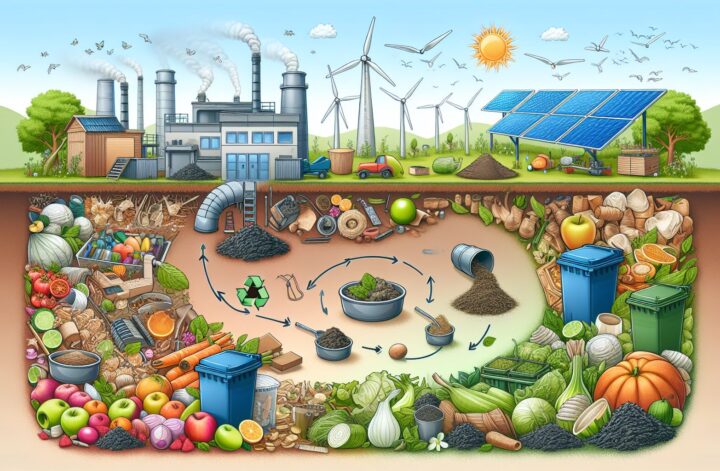
The need for sustainable forms of waste management has prompted a significant increase in the use and development of organic waste treatment methods. Organic waste treatment is a broad area that entails several specific processes, including anaerobic digestion, co-digestion, biogas production, and more. This article hopes to delve into organic waste treatment, providing readers with a comprehensive overview of its intricacies, challenges, and potential.
What is Organic Waste Treatment?
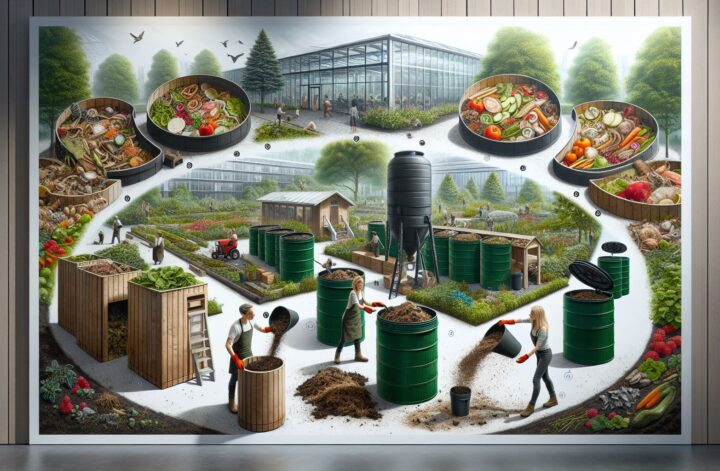
Organic waste treatment is, in a nutshell, the processing of organic materials to render them safe, sanitized, and suitable for reuse or disposal. Organic waste includes waste from gardens, parks, kitchens, and food industries, green waste, animal waste, and sewage sludge. The main goals of organic waste treatment include waste reduction and recovery, clean energy production, resource recycling, and environmental protection[^1^].
How does Organic Waste Treatment Work?
1. Anaerobic Digestion
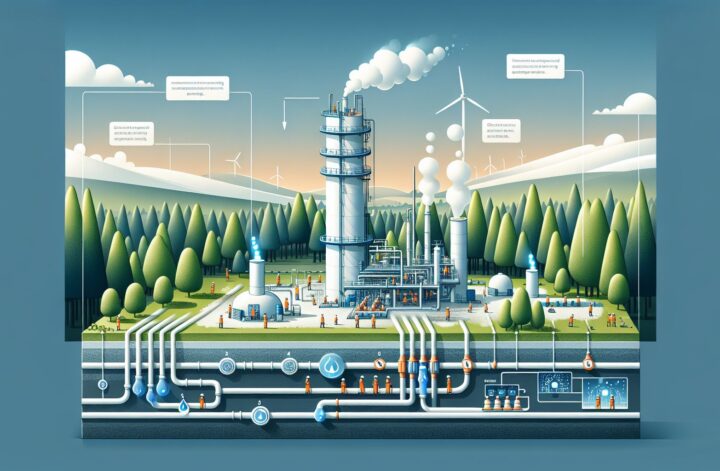
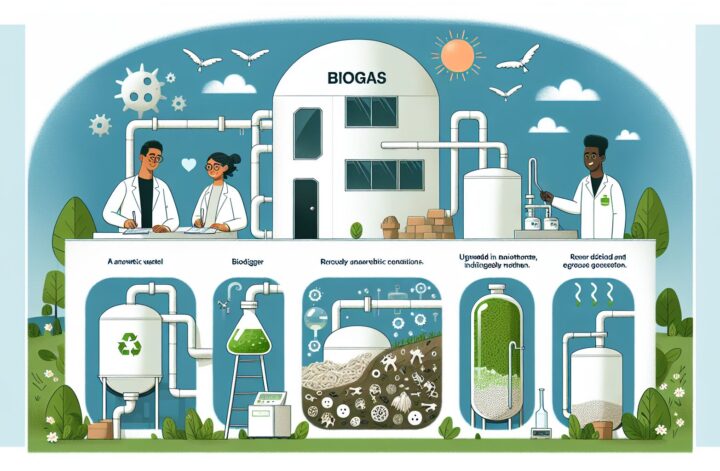
One of the primary methods used in organic waste treatment is Anaerobic Digestion (AD). AD is a natural process where organic materials such as farm waste, food waste, or sewage sludge are broken down by micro-organisms in the absence of air. The end result of this process is the production of biogas (rich in methane) that can be used as a renewable energy source and a nutrient-rich residue called digestate[^1^].
Biogas can directly replace fossil fuels in heating, electricity production, and transportation, making it an eco-friendly solution to energy demands. Digestate is rich in nutrients like nitrogen and phosphorus, making it an excellent natural fertilizer[^2^].
2. Co-Digestion
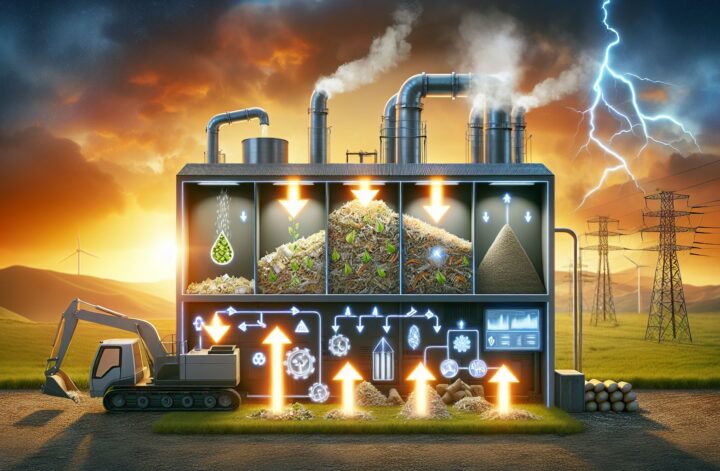
Co-digestion is a variant of the above-mentioned process, where multiple types of organic wastes are combined for anaerobic digestion. This method enhances the overall efficiency of the process and boosts biogas output. The types of organic waste used in co-digestion may include agricultural waste, food waste, and sewage sludge[^3^].
Organic Loading Rate (OLR)
In the context of anaerobic digestion, Organic Loading Rate (OLR) is an important concept. OLR refers to the amount of organic material being fed into the digester relative to the digester’s volume. OLR can significantly influence the efficiency of biogas production, with too high or too low rates potentially leading to issues. Maintaining an optimal OLR can help ensure a consistent biogas yield and smooth operation of the entire process[^2^].
Challenges in Organic Waste Treatment
The implementation of anaerobic digestion and other forms of organic waste treatment is not without challenges. These could include issues with the pretreatment of waste, the need for high temperatures in the digestion process, potential difficulties with the disposal of the resulting digestate, or even social and economic factors[^3^].
Nonetheless, the positive environmental impacts, resource-saving capabilities, and potential for renewable energy production far outweigh these challenges. With continuous research and advancements in technology, it’s expected that these challenges will become less of an obstacle, and organic waste treatment methods will become even more effective and widespread.
In conclusion, organic waste treatment methods such as anaerobic digestion and co-digestation provide a promising solution to both waste management and renewable energy production. Furthermore, they offer a sustainable approach that can contribute significantly to environmental protection, resource conservation, and energy generation. As we continue to grapple with the impacts of climate change, such initiatives are set to play a crucial role in our collective efforts for a sustainable future.
[^1^]: European Commission, 2016. Closing the loop – An EU action plan for the Circular Economy. Brussels.
[^2^]: Weiland, P., 2010. Biogas production: current state and perspectives. Applied Microbiology and Biotechnology, 85(4), p.849–860.
[^3^]: Appels, L., Baeyens, J., Degreve, J. and Dewil, R., 2008. Principles and potential of the anaerobic digestion of waste-activated sludge. Progress in Energy and Combustion Science, 34(6), p.755–781.