Biogas Production: The Sustainable Energy Solution of the Future

Energy is the lifeblood of modern society, fueling everything from our homes and businesses to our cars. However, the traditional sources of energy that we currently rely on, such as oil, gas, and coal, are not sustainable in the long-term. Not only are they finite resources, but their extraction and use also contribute to environmental problems like global warming and air pollution.

With the multiple challenges posed by climate change and increasing energy demand, alternative and renewable energy resources are gaining importance. Among the various solutions, biogas production stands out as a promising option.

Introduction to Biogas

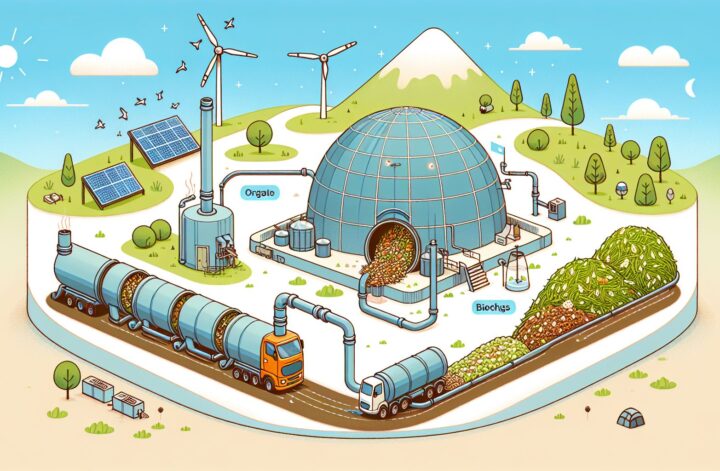
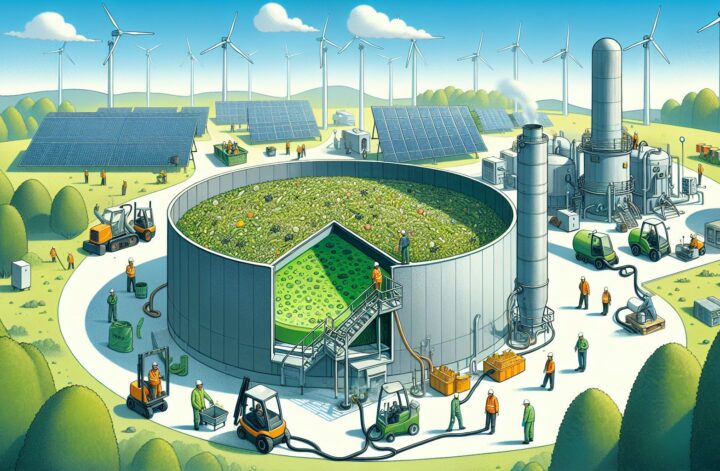
Biogas is a type of biofuel that is naturally produced during the breakdown of organic material in an oxygen-free environment – a process known as anaerobic digestion. The main components of biogas are methane (55 to 65%) and carbon dioxide (30 to 40%), with small amounts of other gases like hydrogen and nitrogen. Thanks to the high methane content, biogas can be used directly for heating, electricity generation, or as a vehicle fuel after upgrading[^1^].

The Biogas Production Process

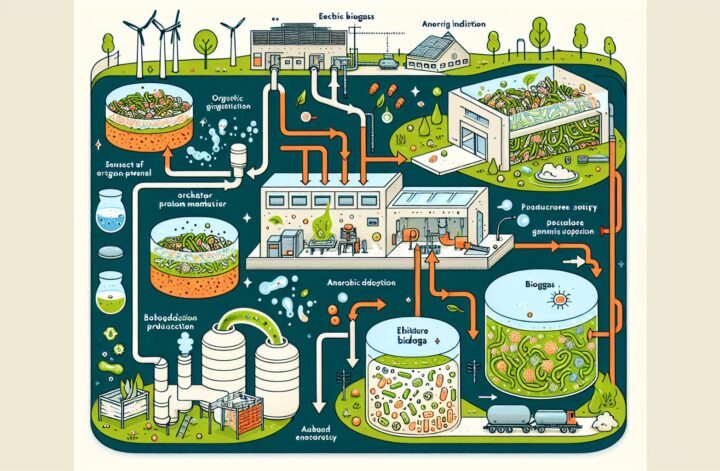
Anaerobic Digestion (AD), the biological process by which biogas is produced, is typically divided into four steps: hydrolysis, acidogenesis, acetogenesis, and methanogenesis.

  1. Hydrolysis: Organic matter is broken down into simpler molecules by enzymes.

  2. Acidogenesis: Bacteria convert the simpler molecules into volatile fatty acids.

  3. Acetogenesis: Bacteria convert these volatile fatty acids into acetates.

  4. Methanogenesis: Methane-producing microbes, known as methanogens, convert acetates into biogas.

During the AD process, specific operating conditions such as temperature, pH level, hydraulic retention time (HRT), and solid retention time (SRT) are crucial in maintaining the stability of the process and therefore the biogas yield[^1^].

Benefits of Biogas

Biogas production comes with a variety of benefits that make it an attractive energy source:

  1. Renewability: Unlike fossil fuels, biogas is a renewable energy source, created from organic waste material that is constantly being produced.

  2. Waste Reduction: Biogas production reduces the amount of organic waste that would otherwise be discarded in the landfill, contributing to waste management solutions.

  3. Greenhouse Gas Emission Reduction: Methane, a potent greenhouse gas, is the primary component of biogas. Its capture and conversion to energy helps reduce the overall emissions of greenhouse gases[^2^].

  4. Energy Security: Using biogas reduces reliance on foreign energy sources and contributes to domestic energy supply.

  5. Job Creation: The biogas industry can create jobs, from the collection and processing of feedstock to the management of biogas plants.

Co-digestion and Biogas Upgrading

Co-digestion, the practice of adding different types of feedstocks to the digester, can increase biogas production by ensuring a balanced diet for the microbes in the digester. Typical co-digestion materials include food waste, plant-based waste, and livestock manure[^3^].

After the production, biogas often undergoes upgrading – the process of removing impurities and increasing the methane content to be suitable for specific uses like natural gas replacement or vehicle fuel[^1^].

The Future of Biogas Production

The potential of biogas production is immense. However, to reach this potential, sustained research, supportive legislation, and increased public awareness are needed.

In particular, advancements in anaerobic digester design, including the adoption of high-rate anaerobic digestion systems, can increase the efficiency and yield of biogas production.

Moreover, continued studies on anaerobic digestion microbiology, trace element supplementation, and inhibition factors like ammonia and sulfide toxicity can lead to a better understanding of the AD process and thus further increase the feasibility of biogas as a mainstream energy source.

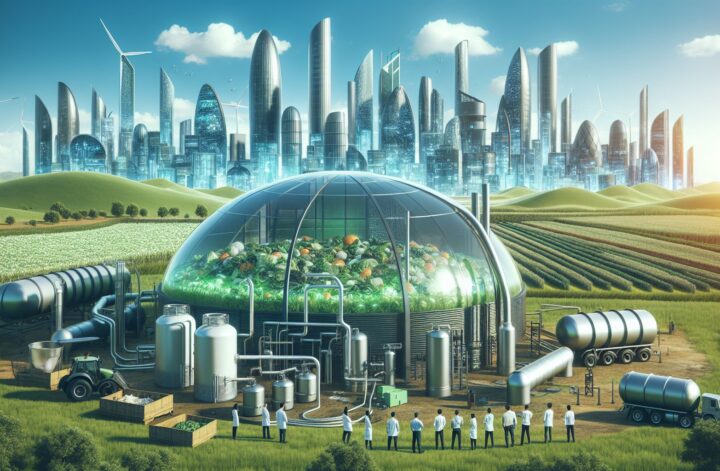
Biogas production, with its multiple environmental and socio-economic benefits, provides a practical solution to several of the challenges we face today – from environmental conservation, waste management, and renewable energy to job creation and energy security. Embracing biogas not only helps us transition to a more sustainable energy future but also offers opportunities for innovation, growth, and development in the 21st century.

[^1^]: “Biogas – A Renewable Biofuel”, US Department of Energy, Link
[^2^]: “Climate and Health Benefits of Anaerobic Digestion”, Environmental Defense Fund, Link
[^3^]: “Co-digestion”, Environmental Protection Agency, Link

Continue Reading

Methane Capture: An Effective Solution to Climate Change

Table of Contents

  1. Introduction
  2. What is Methane Capture?
  3. The Process of Methane Capture
  4. Benefits of Methane Capture
  5. Real-World Examples of Methane Capture
  6. Challenges and Solutions
  7. Conclusion
  8. Sources

Introduction

There is an urgent need for humanity to find environmentally friendly methods for generating energy as we face the risk of accelerating climate change. One such method lies in an interesting, yet intricate, solution called methane capture. Methane is a highly potent greenhouse gas that has 25 times the potential for heat absorption than carbon dioxide (CO2) over a 100-year period[^1^]. Hence, mitigating methane emissions has become a vital part of protecting our environment.

What is Methane Capture?

Methane capture refers to the method of collecting and converting methane gas, emitted from various sources like landfills and agricultural farms, into useful energy. Rather than letting the methane dissipate into the atmosphere, contributing to global warming, methane capture enables its conversion into a renewable energy source.

The Process of Methane Capture

Methane gas gets created, along with carbon dioxide, during the decomposition of organic waste in an oxygen-free (anaerobic) environment[^2^]. In landfills, specially constructed wells capture the methane gas, which is then piped to a central point where it undergoes a process called oxidation. Here, methane reacts with oxygen to form carbon dioxide and water vapor, releasing energy.

In some cases, methane is processed in an anaerobic digester, typically in wastewater treatment plants or agricultural farms. Anaerobic digestion involves the decomposition of organic material in a controlled environment, leading to biogas production that primarily comprises methane and carbon dioxide. The biogas can then be treated or ‘upgraded’ to remove impurities before it’s harnessed for energy.

Benefits of Methane Capture

Capturing methane brings numerous benefits. Firstly, it helps reduce greenhouse gas emissions. By capturing methane before it reaches the atmosphere, we prevent its heat-trapping effects. With methane’s high Global Warming Potential (25 times that of carbon dioxide), even a small reduction can have a significant impact on climate change mitigation[^3^].

Secondly, methane capture aids in producing renewable energy. The energy generated can be used to heat buildings, power vehicles, and even generate electricity. This is a more sustainable solution than burning fossil fuels.

Lastly, methane capture presents an excellent opportunity for waste management. By using organic waste productively, we promote recycling and reduce the dependency on landfills.

Real-World Examples of Methane Capture

Methane capture is not a futuristic idea; it’s a reality. One such example is the Altamont Landfill near Livermore, California, which generates biogas from landfills and converts it to renewable natural gas. Likewise, Saint-Étienne Métropole in France has demonstrated the successful use of biogas from wastewater treatment for urban heating[^4^].

Challenges and Solutions

While capturing methane presents promising prospects in fighting climate change, it’s not without challenges. One such issue is the effective and efficient capture of methane. Not all methane emissions can be easily captured, especially those from widespread, diffuse sources like agriculture.

Investing in research to develop advanced technology is a potential avenue to address these challenges. For instance, biotechnological innovations can enhance the efficiency of methane capture from diverse sources. Policies promoting the use of methane capture technology and providing incentives for its use can also prove beneficial.

Conclusion

Methane capture is a promising avenue in our quest for sustainable, renewable energy. While it’s not a standalone solution to global warming, it’s undoubtedly a critically important piece in the climate change puzzle.

Sources

[^1^]: Overview of Greenhouse Gases – Methane
[^2^]: Methane Capture: Options for Greenhouse Gas Emission Reduction
[^3^]: Global Warming Potential Values
[^4^]: Utilizing Landfill Gas for Renewable Energy

Continue Reading

Harnessing Renewable Energy Through Biogas Production

In the face of increasing environmental concerns, interest in renewable energy sources has never been greater. To reduce reliance on existing, non-renewable energy sources, and to mitigate environmental degradation, an affordable and sustainable option is fundamental. Among these, biogas production emerges as a promising yet underexplored prospect. So, let’s delve a bit deeper into the mechanics, benefits and possible potential of utilizing biogas as a source of renewable energy.

Introduction to Biogas Production

Biogas is typically comprised of methane, carbon dioxide, and other trace amounts of gases. The primary source of this gas is organic waste, including manure, sewage, municipal waste, plant material, and food waste[^1^].

Producing biogas typically involves the process of anaerobic digestion. This process is divided into four primary stages: hydrolysis, acidogenesis, acetogenesis, and methanogenesis. Through these cumulative steps, complex organic matter is broken down into simple molecules, and eventually transformed into biogas[^1^].

The Process of Biogas Production

Let’s delve further into the steps:

  1. Hydrolysis: This is the initial phase where insoluble organic matter is transformed into soluble substances. Enzymes like cellulases and amylases play a crucial role in this process.

  2. Acidogenesis: Here, the soluble substances are further broken down to volatile fatty acids and alcohols.

  3. Acetogenesis: The volatile fatty acids and alcohol from the previous stage are then transformed into hydrogen, carbon dioxide and acetic acid.

  4. Methanogenesis: In this final process, methanogenic archaea (a group of microorganisms) convert the end products of the acetogenesis phase into methane[^1^].

The Benefits of Biogas Production

Biogas production has several tangible and far-reaching benefits. Let’s explore a few more significant ones:

  1. Renewable Energy Source: Biogas production provides a reliable and sustainable source of energy which can be used to power generators, provide heat, and fuel vehicles.

  2. Waste Management: One of the more sizeable benefits of biogas production is its impactful contribution to waste management. It offers an excellent means of disposing and treating organic waste, thereby reducing environmental pollution[^2^].

  3. Reduced Greenhouse Emissions: Using biogas as an alternative energy source significantly reduces the emission of greenhouse gases. Methane, which is the primary constituent of biogas, is around 20-25 times more potent as a heat-trapping gas than carbon dioxide[^3^]. Thus, the conversion of methane into an energy source helps mitigate the impact of global warming.

  4. Job Creation: The expanding biogas industry also delivers a considerable level of employment creation. From service delivery to operation and maintenance of biogas systems, a range of opportunities exist, contributing to economic growth.

Potential Obstacles and Challenges

While biogas production presents a host of benefits, a few challenges can affect its widespread adoption and efficiency. These include:

  1. Technical issues: These relate to the design and operation of anaerobic digesters. Other factors like Hydraulic Retention Time (HRT) and Organic Loading Rate (OLR) also affect biogas production.

  2. Inhibition of anaerobic digestion: Certain substances like ammonia and sulfides can be toxic and inhibit the process of anaerobic digestion.

To overcome these issues, concerted research effort and funding is required. Higher investment in R&D can help troubleshoot existing issues and improve the efficiency of biogas production.

The Future of Biogas Production

Looking forward, the role of biogas production in energy generation cannot be overstated. Given the manifold benefits it presents, scaling up biogas production opens up an avenue for more sustainable, cleaner and efficient energy use. It’s time we consider harnessing this underutilized resource to its full potential, for a renewable and environmentally responsive future.

[^1^]: Anaerobic Digestion Fundamentals, Clarke Energy
[^2^]: Biogas: A Bright Idea for Asia, Asian Development Bank
[^3^]: Methane: The other important greenhouse gas, Environmental Defense Fund

Continue Reading

Understanding Biogas Production: An Overview

Biogas production represents a crucial solution to several environmental and economic challenges. It leverages organic waste to provide a renewable energy source, while reducing greenhouse gas emissions, alleviating pressure on landfills, and contributing to a greener, more sustainable future.

Introduction to Biogas Production

Biogas production involves the breakdown of organic matter in the absence of oxygen, a process known as anaerobic digestion[^1^]. Various forms of organic waste, such as agricultural, municipal, and industrial waste, are used in this process. The main byproducts of this process are biogas, a mixture of gases mainly composed of methane and carbon dioxide, and digestate, a nutrient-rich residue used as a natural fertilizer.

Anaerobic Digestion Process

The anaerobic digestion process comprises four key stages: hydrolysis, acidogenesis, acetogenesis, and methanogenesis[^1^].

Hydrolysis

In the initial hydrolysis stage, complex organic substances such as carbohydrates, fats, and proteins are converted into simple monomers, with the help of hydrolytic bacteria.

Acidogenesis

During acidogenesis, these monomers undergo further biodegradation by acidogenic bacteria, leading to the production of carbon dioxide, hydrogen, ammonia and organic acids.

Acetogenesis

In the acetogenesis stage, acetogenic bacteria transform the products of acidogenesis into acetic acid, carbon dioxide, and hydrogen.

Methanogenesis

Finally, in the methanogenesis stage, methane is produced when methanogenic archaea convert acetic acid and gases formed in the previous stages into methane and carbon dioxide[^1^].

Biogas Upgrading

Although biogas can be used in its raw form for heating, cooking, or light production, it generally undergoes an upgrading process to remove impurities and increase its methane content[^2^]. Methods commonly used for biogas scrubbing or upgrading include water scrubbing, pressure swing adsorption, and membrane separation[^2^]. The resulting biogas can be used in vehicles or injected into the gas grid.

Biogas Utilization: Combined Heat and Power (CHP)

One of the main uses of upgraded biogas is in Combined Heat and Power (CHP) systems, also known as cogeneration. These systems simultaneously generate electricity and useful heat from the same energy source, achieving high efficiencies and considerable energy savings[^3^].

Factors Influencing Biogas Production

Several parameters impact the biogas production process, such as the nature and composition of the feedstock, temperature, pH, and the organic loading rate (OLR). Also, hydraulics retention time (HRT) and solid retention time (SRT) should be carefully controlled[^1^].

Furthermore, to ensure sufficient nutrient availability for the microbial community involved in anaerobic digestion, trace element supplementation might be necessary[^1^].

Opportunities and Challenges with Biogas Production

Biogas production provides significant greenhouse gas reduction benefits, as it captures methane – a potent greenhouse gas – that would otherwise be released into the atmosphere.

Nevertheless, this process is not without its challenges. For instance, inhibition of anaerobic digestion due to ammonia or sulfide toxicity can reduce the efficiency of biogas production[^1^].

Additionally, the logistics and investment necessary for biogas production systems, especially large-scale operations, can present hurdles.

Conclusions

As our world seeks to shift towards more sustainable and renewable energy sources, the role of biogas cannot be underestimated. Harnessing the power of biogas presents a promising avenue for addressing energy and environmental challenges, fostering a more sustainable and circular economy.

[^1^]: “How Does Anaerobic Digestion Work?” American Biogas Council, https://americanbiogascouncil.org/anaerobic-digestion/overview/
[^2^]: “Biogas Upgrading.” European Biogas Association, https://www.europeanbiogas.eu/biogas/biogas-upgrading/
[^3^]: “What Is Combined Heat and Power (CHP)?” U.S. Energy Information Administration (EIA), https://www.eia.gov/energyexplained/biofuels/use-of-biogas.php

Continue Reading

Harnessing Power through Biogas Production: A Comprehensive Overview

Sustainability has been a hot-button issue worldwide, with a variety of strategies being brought to the forefront to combat the worsening condition of our environment and its dwindling resources. Among these various strategies is the production of biogas. This article aims to shed light on the concept, process, and implications of biogas production.

What is Biogas?

Biogas is a renewable energy source that is created from the anaerobic breakdown of organic waste by bacteria [^1^]. Biogas typically comprises methane, carbon dioxide, traces of hydrogen sulfide, and fractions of other gases.

The significant feature of biogas is that it can serve as an organic waste treatment strategy while also producing energy. Its benefits extend to mitigating global warming, improving soil health, and reducing waste.

The Process of Biogas Production

Biogas production involves a comprehensive process in an anaerobic digester that includes four primary stages: hydrolysis, acidogenesis, acetogenesis, and methanogenesis.

Hydrolysis

Waste material comprising low-rate readily biodegradable carbohydrates, fats, and proteins undergoes enzymatic breakdown to simpler, soluble organic compounds, leading to the production of sugar, amino acids, and long-chain fatty acids.

Acidogenesis

The second stage, acidogenesis, involves fermentation in which bacteria acts upon the soluble compounds from hydrolysis, breaking them down into volatile fatty acids and alcohols.

Acetogenesis

During acetogenesis, simple organic compounds are transformed into acetic acid, hydrogen, and carbon dioxide.

Methanogenesis

In the final and most crucial stage – methanogenesis, methane-producing archaea convert the acetic acid and gases into methane and carbon dioxide [^2^].

Anaerobic Digestion Design

The heart of a biogas plant is the anaerobic digester design, which facilitates the process of biogas production. In creating an efficient design, significant factors such as organic loading rate (OLR), hydraulic retention time (HRT), temperature, and pH must be considered.

Organic Loading Rate (OLR)

The OLR is the amount of organic matter added per unit of reactor volume per day. Appropriate OLRs ensure steady methane yields.

Hydraulic Retention Time (HRT)

HRT is the average length of time that a soluble compound stays in the reactor. Optimizing the HRT enhances the digestion process.

Biogas Upgrading

Following production, biogas undergoes upgrading or scrubbing to remove impurities, notably CO2, H2S, and water vapor, to increase the methane content, making it suitable for use in vehicles, injection into natural gas grids, etc.

Implications and Applications

Biogas is a versatile energy source with several practical uses:

Combined Heat and Power (CHP)

CHP is a highly efficient power system capturing energy wasted during conventional electricity generation for utilization as heat.

Volatile Solids Reduction

Biogas production significantly decreases the volume of volatile solids, decreasing the total volume of waste and reducing disposal costs.

Greenhouse Gas Reduction

Since biogas captures methane (a potent greenhouse gas), its utilization helps reduce greenhouse emissions, making a positive impact on climate change [^3^].

Conclusion

Biogas production represents a significant stride toward sustainable living by tackling the waste crisis and the growing demand for renewable energy simultaneously. As our understanding of this technology advances, we stand a better chance of slowing down climate change by taking full advantage of waste products that would have otherwise been discards.

[^1^]: “What is Biogas? A Beginners Guide”, www.biogas-info.co.uk

[^2^]: “Anaerobic Digestion”, www.epa.gov

[^3^]: “Benefits of Biogas”, www.americanbiogascouncil.org


Continue Reading

Harnessing the Power of Biogas: A Green Solution to Organic Waste Treatment

Table of Contents

  • Introduction
  • What is Biogas?
  • The Biogas Production Process
  • Organic Waste Treatment through Biogas Production
  • Benefits of Biogas Production
  • Future Perspectives
  • Conclusion

Introduction

In an era where the detrimental impacts of climate change are becoming increasingly evident, the adoption of sustainable and eco-friendly practices has never been more crucial. One such avenue lies in the effective treatment and management of organic waste, long considered a nuisance and environmental hazard. Now, employing technological advancements and enlightened understanding of biological processes, this waste can be transformed into biogas, a valuable source of renewable energy.

In this exploration, we delve into the mechanics of extracting energy from organic waste through biogas production, the benefits accrued and the future prospects from this sustainable practice.

What is Biogas?

Biogas is classified as a biofuel originated from the breakdown of organic matter in the absence of oxygen, typically within an enclosed system known as an anaerobic digester[^1^]. Comprised primarily of methane (CH4) and carbon dioxide (CO2), biogas represents a valuable source of renewable energy, mainly when derived from waste materials.

The Biogas Production Process

Biogas production encompasses a sequence of complex biological processes typically characterized into four primary stages: hydrolysis, acidogenesis, acetogenesis, and methanogenesis[^2^].

  1. Hydrolysis: This serves as the initial stage, whereby complex compounds (proteins, fats, and carbohydrates) in the raw organic waste are broken down into simpler forms by hydrolytic bacteria.

  2. Acidogenesis: The resultant simple sugars, amino acids, and fatty acids are then converted into volatile fatty acids, alcohols, hydrogen, and carbon dioxide by acidogenic bacteria.

  3. Acetogenesis: In the subsequent stage, products of acidogenesis are converted into acetate, hydrogen, and carbon dioxide by acetogenic bacteria.

  4. Methanogenesis: The final stage of biogas production is driven by methanogens, which transform the acetate, hydrogen, and carbon dioxide into methane and carbon dioxide, constituting the major components of biogas.

Organic Waste Treatment through Biogas Production

Biogas production poses a viable solution for managing organic waste, expertly combining waste treatment with energy generation[^3^]. Through controlled anaerobic digestion, organic waste materials such as manure, slurry, crop residues, food and kitchen waste, among others, are converted into biogas and a rich nutrient residual known as digestate. The biogas harnessed can be employed directly for heating, electricity production, as well as upgrading into biomethane, suitable for injection into the natural gas grid or as vehicle fuel.

Moreover, the digestate, rich in nutrients such as nitrogen and phosphorous, makes excellent biofertilizer, contributing to circular economic models that foster sustainable agriculture.

Benefits of Biogas Production

By adopting organic waste treatment through biogas production, several benefits accrue:

  1. Sustainable Waste Management: Biogas production provides an effective, environmentally friendly means of managing organic waste, which would otherwise contribute to environmental pollution.

  2. Renewable Energy Production: The process yields biogas, a valuable renewable energy source, reducing reliance on fossil fuel-based energy.

  3. Greenhouse Gas Reduction: By capturing and utilizing methane, a potent greenhouse gas, in the production of biogas, the process aids in reducing anthropogenic greenhouse gas emissions.

  4. Agronomic Benefit: The resultant digestate serves as organic fertilizer, improving soil fertility and crop yield.

Future Perspectives

The potential of effective organic waste treatment through biogas production is vast, with a yet untapped capacity worldwide. Advancements in biogas technology, including optimized anaerobic digester designs and improvements in the process efficiency, particularly through co-digestion and the use of advanced pre-treatment methods, can significantly boost the yield and quality of biogas.

Conclusion

In conclusion, managing organic waste through biogas production offers a viable path towards sustainable waste management, energy generation, and agricultural productivity. By embracing this green solution, we not only create a sustainable world today but also assure future generations of a healthy and clean environment.

References

[^1^]: Holm-Nielsen, J. B., Al Seadi, T., & Oleskowicz-Popiel, P. (2009). The future of anaerobic digestion and biogas utilization. Bioresource technology, 100(22), 5478-5484.

[^2^]: Angelidaki, I., & Ellegaard, L. (2003). Codigestion of manure and organic wastes in centralized biogas plants: status and future trends. Applied Biochemistry and Biotechnology, 109(1-3), 95-105.

[^3^]: Weiland, P. (2010). Biogas production: current state and perspectives. Applied microbiology and biotechnology, 85(4), 849-860.

Continue Reading

Biogas Production: An Effective Solution for Organic Waste Treatment and Renewable Energy Generation

Biogas production is a collective term used to refer to the processes involved in the conversion of organic materials, often waste products, into a type of energy known as biogas. This largely untapped resource carries immense potential for revolutionizing the energy production and waste management sectors alike. It also plays a substantial role in reducing greenhouse gas emissions. In this article, we explore the processes, the utilities, and the benefits of biogas production.

What is Biogas and How is it Produced?

Biogas, generally made up of methane and carbon dioxide, is a type of biofuel that is naturally produced from the decomposition of organic waste materials. Organic matter, such as agricultural waste, manure, plant material, and organic waste derived from industries, households, and municipalities, undergo the process of anaerobic digestion (AD) – a sequence of processes during which microorganisms break down biodegradable material in the absence of oxygen – in a controlled environment to produce biogas[^1^].

The production of biogas involves few key stages. Initially, the organic material is broken down by bacterial enzymes in a process known as ‘hydrolysis’, transforming the large organic polymers into smaller molecules like mono-saccharides, amino acids and fatty acids.

The second phase, known as ‘acidogenesis’, involves the conversion of these resulting monomers into volatile fatty acids and alcohols.

The ‘acetogenesis’ phase follows next, where other bacteria convert these products into hydrogen, carbon dioxide, and acetates.

Finally, during ‘methanogenesis’, methanogenic archaea produce biogas – primarily composed of methane and carbon dioxide –utilizing the hydrogen, carbon dioxide, and acetates produced in the previous stage[^2^].

The Uses and Benefits of Biogas

The energy stored in biogas can be converted into electricity and heat, or processed and stored in gas containers for usage as vehicle fuel. In addition, biogas can also be converted into biomethane, suitable for distribution via national gas grids[^3^].

The benefits of biogas production and usage are multifold. The circular nature of biogas production contributes to two key environmental goals: waste management and renewable energy production, thus reducing our reliance on fossil fuels and curtailing carbon emissions. Moreover, the resulting digestate from the biogas production process can be utilized as a high-quality fertilizer, bringing us back to agriculture, where the cycle may start again.

Challenges and Ways Forward

Biogas production is not without its challenges. These include technological limitations, adverse impacts on the enzymatic and bacterial processes, and economic challenges. Moreover, certain side-effects due to the corrosive nature of biogas, such as sulfide toxicity and ammonia toxicity, may pose additional difficulties.

However, technological advancements have led to the development of measures to overcome these challenges. These include co-digestion – where several types of waste are combined to enhance gas production; trace element supplementation – supplying necessary nutrients for bacterial growth; and biogas scrubbing – removing corrosive substances to prevent damages to equipment. Combined, these technologies not only maintain but enhance the effectiveness of biogas production.

Biogas production offers a sustainable and efficient solution for organic waste treatment and renewable energy production. The sector is ripe for innovation and growth, and through continued research and development, it could become an unprecedented global player in the energy and waste management industries, fostering a sustainable and energy-efficient future.

[^1^]: Angelidaki, I., & Ellegaard, L. (2003). Codigestion of manure and organic wastes in centralized biogas plants. Applied Biochemistry and Biotechnology, 109(1-3), 95-105.

[^2^]: Batstone, D. J., & Virdis, B. (2014). The role of anaerobic digestion in the emerging energy economy. Current opinion in biotechnology, 27, 142-149.

[^3^]: Møller, H. B., Nielsen, A. M., & Nakakubo, R. (2015). Biogas Green Energy. In: Lichtfouse E. (eds) Sustainable Agriculture Reviews. Springer, Cham.

Important to note: This article and its contents are for informational purposes only. Always consult with a licensed professional before making any investment decisions.

Continue Reading

Biogas Production: An Examination of the Benefits and Process with a Deep Dive into Anaerobic Digestion

With the growing effects of climate change and scarcity of fossil fuels, the world is leaning towards renewable sources of energy more than ever before. One such area of exploration is biogas production. In this article, we will delve into the process behind biogas production, the benefits it affords, and its implications for the future of renewable energy. We will also examine anaerobic digestion, one of the primary processes integral to biogas production.

The Process: Biogas Production

Biogas is a type of biofuel that is naturally produced from the decomposition of organic waste. When organic matter, such as food scraps and animal waste, decompose in an anaerobic environment (one without oxygen), they release a blend of gases, primarily methane and carbon dioxide. This is the biogas that can be collected and used [^1^].

Anaerobic Digestion

A significant part of the process of generating biogas is anaerobic digestion. This multi-step process breaks down organic matter in the absence of oxygen [^2^]. The four primary stages of anaerobic digestion are:

  1. Hydrolysis: In this step, microorganisms break down complex organic wastes into simple sugars, amino acids, and fatty acids.

  2. Acidogenesis: Here, the products from hydrolysis are further broken down to produce volatile fatty acids, carbon dioxide, hydrogen, and ammonia.

  3. Acetogenesis: Then, the partially broken down material is further converted into hydrogen, carbon dioxide, and acetic acid.

  4. Methanogenesis: Finally, methane-producing microbes utilize the products of the previous stages to produce methane – the principal component of biogas.

Each of these stages involves complex biological and chemical processes. Slight changes in conditions, such as temperature and pH, can significantly affect the efficiency of gas production.

The Benefits: Applications of Biogas

Biogas production presents us with several benefits, besides generating energy from waste.

Renewable Energy

Biogas is a renewable source of energy, as the materials needed for its production are continually replenished. In contrast to fossil fuels, biogas does not contribute to an increase in atmospheric concentrations of greenhouse gases, given that the carbon dioxide released from biogas is part of the short-term carbon cycle [^3^].

Waste Management

Biogas is produced from organic waste that would otherwise contribute to landfill issues and methane emissions if not appropriately managed. The use of these substances in the anaerobic digestion process helps in waste reduction and the generation of useful byproducts.

The Future: Implications

The biogas industry has substantial potential for growth and could become instrumental in meeting the world’s energy demands. Furthermore, the technology behind biogas production is continually evolving, enabling more efficient use of feedstocks and the production of higher-quality biogas.

However, challenges do exist. These range from logistical challenges (related to the collection, storage, and distribution of biogas) to technological challenges (linked to the efficiency and effectiveness of the digestion process). Overcoming these hurdles will require further research, development, and government support.

In conclusion, biogas production through anaerobic digestion is an effective way to manage organic waste while producing renewable energy. Though challenges persist, the potential rewards are significant, and the continued exploration and development of this energy source are essential for a sustainable future.

References

[^1^]: Pöschl, M., Ward, S., Owende, P. (2010). Evaluation of energy efficiency of various biogas production and utilization pathways. Applied Energy, 87(11), 3305-3321. https://doi.org/10.1016/j.apenergy.2010.05.011

[^2^]: Appels, L., Baeyens, J., Degrève, J., Dewil, R. (2008). Principles and potential of the anaerobic digestion of waste-activated sludge. Progress in Energy and Combustion Science, 34(6), 755-781. https://doi.org/10.1016/j.pecs.2008.06.002

[^3^]: Angelidaki, I., Treu, L., Tsapekos, P., Luo, G., Campanaro, S., Wenzel, H., & Kougias, P.G. (2018). Biogas upgrading and utilization: Current status and perspectives. Biotechnology Advances, 36(2), 452-466. https://doi.org/10.1016/j.biotechadv.2018.01.011

Continue Reading

Understanding and Harnessing Biogas Production for Renewable Energy

Renewable energy is a hot topic in today’s climate change-conscious world. Among the myriad of renewable energy sources, biogas stands out as a sustainable and eco-friendly option. This article explores the ins and outs of biogas production, its role in renewable energy, and how it can contribute to a greener, more sustainable future.

What is Biogas?

Biogas is a type of biofuel that is naturally produced from the decomposition of organic waste. When organic matter, such as food scraps and animal waste, break down in an environment absent of oxygen, they release a blend of gases, primarily methane and carbon dioxide. This blend of gases is what we call biogas.

In addition to being a natural byproduct of organic waste decomposition, biogas can also be produced intentionally through a process known as anaerobic digestion, which mimics the natural digestion process that occurs in the stomachs of animals.

Anaerobic Digestion Explained

Anaerobic digestion is a complex sequence of processes by which microorganisms break down biodegradable material in absence of oxygen. The process occurs in four main steps: hydrolysis, acidogenesis, acetogenesis, and methanogenesis[^1^].

Hydrolysis is the process of breaking down complex organic matters into simpler ones with the help of hydrolytic bacteria. These simplified substances are then converted into volatile fatty acids during acidogenesis. In acetogenesis, these fatty acids are transformed into acetic acids, hydrogen, and carbon dioxide.

In the final step, methanogenesis, methanogenic bacteria convert these byproducts into methane, carbon dioxide, and water, creating biogas.

[^1^]: Tchobanoglous, G., Burton, F.L., & Stensel, H.D. (2003). Wastewater Engineering: Treatment and Reuse. McGraw-Hill Education.

The Role of Biogas in Renewable Energy

The primary component of biogas, methane, is a potent energy source. When burned, it releases a significant amount of energy, which can be used to produce heat and electricity in a process called combined heat and power (CHP). The benefits of this are twofold: not only does it present an opportunity for renewable energy production, but it also prevents methane – a potent greenhouse gas – from being released into the atmosphere. By harnessing the energy of biogas through anaerobic digestion and CHP, we can turn wastes into valuable resources[^2^].

Moreover, the remaining digestate – the material left over from the anaerobic digestion process – is an excellent organic fertilizer, rich in vital nutrients. This creates a sustainable, closed-loop cycle: organic waste generates renewable energy and, in turn, contributes to agriculture and further organic waste production.

[^2^]: Monnet, F. (2003). An Introduction to Anaerobic Digestion of Organic Wastes. Remade Scotland.

Biogas Upgrading and Utilization

While raw biogas can be used directly for heating, upgrading it by removing impurities and increasing its methane content makes it suitable for other uses. This process is called biogas upgrading. Purified biogas can be used as vehicle fuel, injected into the gas grid, or even used in gas appliances in the home.

Besides, as previously mentioned, the remaining digestate from the anaerobic digestion process can be used as an organic fertilizer. Not only does this return vital nutrients to the soil, but it also diverts organic waste from landfills, where it would otherwise produce harmful greenhouse gases.

The Future of Biogas

Biogas is a promising source of renewable energy, but its potential is far from entirely tapped. With the right technologies and strategies, we can scale up biogas production to an industrial level, providing a significant portion of the world’s energy needs, while managing organic wastes effectively and sustainably. High-rate anaerobic digestion, a technology that increases the throughput and reduces the size of anaerobic digesters, may play a crucial role in this[^3^].

Moreover, integrating biogas production into existing waste management and agriculture industries could not only boost renewable energy output but also reduce the environmental impacts of these sectors. For instance, manure from livestock farms and sludge from wastewater treatment plants both make excellent feedstock for anaerobic digestion.

[^3^]: Abbasi, T., Tauseef, S.M., & Abbasi, S.A. (2012). Biogas Energy. Springer New York.

Conclusion

The potential of biogas as a significant source of renewable energy is immense. Not only could it help meet burgeoning global energy demand, but it also provides a sustainable solution to organic waste management. Through an understanding of the biogas production process, and with the scaling-up of anaerobic digestion technology, we could move toward a greener, more sustainable future.

Resources

[^1^]: Tchobanoglous, G., Burton, F.L., & Stensel, H.D. (2003). Wastewater Engineering: Treatment and Reuse. McGraw-Hill Education.
[^2^]: Monnet, F. (2003). An Introduction to Anaerobic Digestion of Organic Wastes. Remade Scotland.
[^3^]: Abbasi, T., Tauseef, S.M., & Abbasi, S.A. (2012). Biogas Energy. Springer New York.

Continue Reading

Organic Waste Treatment: A Comprehensive Guide

Organic waste, commonly found in landfills, composes a significant portion of waste globally. The decomposition of it not only produces unpleasant odors, but it also contributes to global greenhouse gas emissions, which exacerbates the problem of climate change[^1]. Therefore, mitigating the adverse effects of organic waste has become a pressing environmental and societal issue. One promising strategy to address this challenge is through organic waste treatment. This article will discuss in-depth what organic waste treatment is, its techniques, benefits, and even challenges.

What is Organic Waste Treatment?

Organic waste treatment, also known as biological treatment, refers to the controlled decomposition of organic materials by microorganisms. These organic matters include food waste, yard waste, paper, wood, or even other types of biodegradable waste. The primary techniques involved in treating organic waste commonly include composting and anaerobic digestion[^2].

Techniques used in Organic Waste Treatment

Composting

Composting is a process that speeds up the natural decay of organic material by providing the ideal conditions for detritus-eating organisms to thrive. This process transmutes organic waste into a nutrient-rich soil conditioner. The essential steps in composting consist of combining organic waste with bulking agents (straw or wood chips) to allow air to penetrate and nourish the compost. It is then left to ripen, after which it is ready to distribute and use.

Anaerobic Digestion

Anaerobic digestion (AD) is another technique that involves breaking down biodegradable material in the absence of oxygen. The process usually occurs in sealed, oxygen-less tanks called anaerobic digesters. It is a complex series of events that include: (1) Hydrolysis (2) Acidogenesis (3) Acetogenesis and (4) Methanogenesis, while outputting biogas (made up primarily of methane and carbon dioxide) and digestate, a nutrient-rich substance that can be used as a fertilizer[^3].

Benefits of Organic Waste Treatment

Reducing Landfill

One of the primary benefits of organic waste treatment is the reduction of waste going to landfills. By diverting organic waste from landfills and processing it through the aforementioned techniques, we decrease the volume of waste significantly. It pushes the waste sector towards a more sustainable path.

Production of Renewable Energy

With anaerobic digestion, the biogas produced can be used as a renewable energy source. Notably, the methane in biogas is a reliable source of renewable energy which can generate electricity, heat, or be used as vehicle biofuel. By capturing this methane, it is kept from entering the atmosphere, helping to mitigate global warming.

Soil Enrichment

Both compost and digestate created during organic waste treatment are nutrient-dense, providing excellent conditions for plant growth. Additionally, it contributes to soil structure and reduces the need for chemical fertilizers, promoting more sustainable farming practices.

Challenges and Future Perspectives

Despite the many benefits of organic waste treatment, it is not without its challenges. Some issues include the energy required to process organic waste, potential contamination of compost or digestate, and neighborhood complaints about unpleasant odors. Therefore, research and design focused on improving these processes is a critical need. It includes exploring techniques to improve the anaerobic digestion process, such as mesophilic and thermophilic digestion, or optimizing the organic loading rate (OLR) to reduce inhibition of the process.

In conclusion, organic waste treatment, as part of comprehensive waste management, offers promising solutions to environmental issues associated with waste. While challenges persist, with continuous research, innovation, and commitment, organic waste could transition from being a problem to being part of a circular and more sustainable economy.

[^1]: U.S. Environmental Protection Agency. (2020). Organic Materials. https://www.epa.gov/sustainable-management-food/organic-materials#overlay-context=sustainable-management-food/what-you-can-do-conserve-resources-and-prevent-waste
[^2]: The Balance Small Business. (2020). A Guide to Organic Waste Management. https://www.thebalancesmb.com/organic-waste-management-2878039
[^3]: Food and Agriculture Organization of the United Nations. (2013). The State of Food and Agriculture. http://www.fao.org/3/i3301e/i3301e.pdf

Continue Reading