Table of Contents
- Introduction
- What is Methane Capture?
- The Process of Methane Capture
- Benefits of Methane Capture
- Real-World Examples of Methane Capture
- Challenges and Solutions
- Conclusion
- Sources
Introduction
There is an urgent need for humanity to find environmentally friendly methods for generating energy as we face the risk of accelerating climate change. One such method lies in an interesting, yet intricate, solution called methane capture. Methane is a highly potent greenhouse gas that has 25 times the potential for heat absorption than carbon dioxide (CO2) over a 100-year period[^1^]. Hence, mitigating methane emissions has become a vital part of protecting our environment.
What is Methane Capture?
Methane capture refers to the method of collecting and converting methane gas, emitted from various sources like landfills and agricultural farms, into useful energy. Rather than letting the methane dissipate into the atmosphere, contributing to global warming, methane capture enables its conversion into a renewable energy source.
The Process of Methane Capture
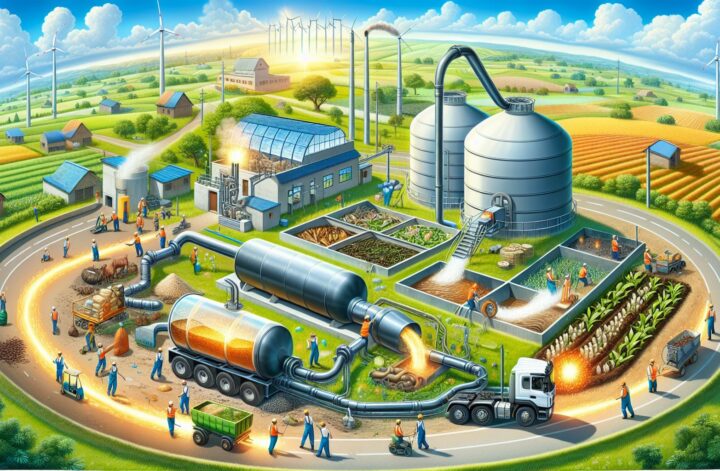
Methane gas gets created, along with carbon dioxide, during the decomposition of organic waste in an oxygen-free (anaerobic) environment[^2^]. In landfills, specially constructed wells capture the methane gas, which is then piped to a central point where it undergoes a process called oxidation. Here, methane reacts with oxygen to form carbon dioxide and water vapor, releasing energy.
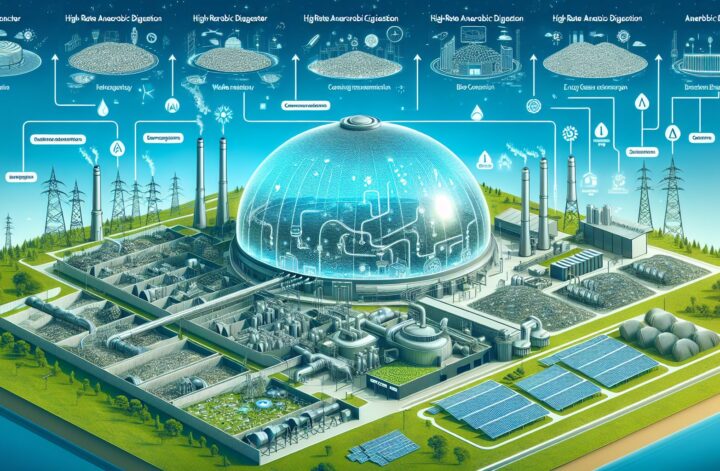
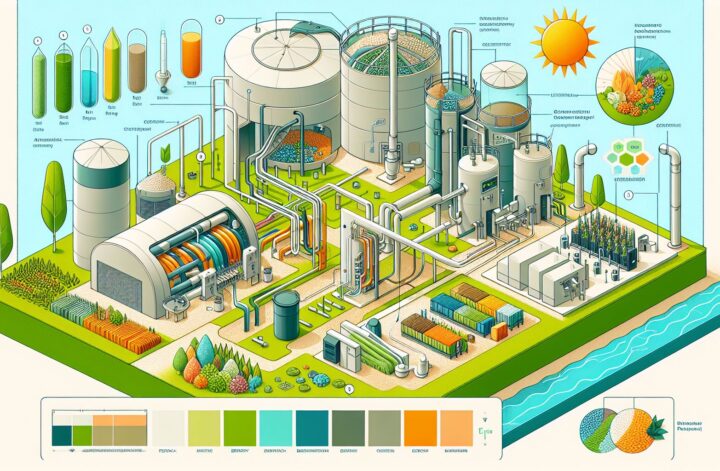
In some cases, methane is processed in an anaerobic digester, typically in wastewater treatment plants or agricultural farms. Anaerobic digestion involves the decomposition of organic material in a controlled environment, leading to biogas production that primarily comprises methane and carbon dioxide. The biogas can then be treated or ‘upgraded’ to remove impurities before it’s harnessed for energy.
Benefits of Methane Capture
Capturing methane brings numerous benefits. Firstly, it helps reduce greenhouse gas emissions. By capturing methane before it reaches the atmosphere, we prevent its heat-trapping effects. With methane’s high Global Warming Potential (25 times that of carbon dioxide), even a small reduction can have a significant impact on climate change mitigation[^3^].
Secondly, methane capture aids in producing renewable energy. The energy generated can be used to heat buildings, power vehicles, and even generate electricity. This is a more sustainable solution than burning fossil fuels.
Lastly, methane capture presents an excellent opportunity for waste management. By using organic waste productively, we promote recycling and reduce the dependency on landfills.
Real-World Examples of Methane Capture
Methane capture is not a futuristic idea; it’s a reality. One such example is the Altamont Landfill near Livermore, California, which generates biogas from landfills and converts it to renewable natural gas. Likewise, Saint-Étienne Métropole in France has demonstrated the successful use of biogas from wastewater treatment for urban heating[^4^].
Challenges and Solutions
While capturing methane presents promising prospects in fighting climate change, it’s not without challenges. One such issue is the effective and efficient capture of methane. Not all methane emissions can be easily captured, especially those from widespread, diffuse sources like agriculture.
Investing in research to develop advanced technology is a potential avenue to address these challenges. For instance, biotechnological innovations can enhance the efficiency of methane capture from diverse sources. Policies promoting the use of methane capture technology and providing incentives for its use can also prove beneficial.
Conclusion
Methane capture is a promising avenue in our quest for sustainable, renewable energy. While it’s not a standalone solution to global warming, it’s undoubtedly a critically important piece in the climate change puzzle.
Sources
[^1^]: Overview of Greenhouse Gases – Methane
[^2^]: Methane Capture: Options for Greenhouse Gas Emission Reduction
[^3^]: Global Warming Potential Values
[^4^]: Utilizing Landfill Gas for Renewable Energy