Renewable energy is a hot topic in today’s climate change-conscious world. Among the myriad of renewable energy sources, biogas stands out as a sustainable and eco-friendly option. This article explores the ins and outs of biogas production, its role in renewable energy, and how it can contribute to a greener, more sustainable future.
What is Biogas?
Biogas is a type of biofuel that is naturally produced from the decomposition of organic waste. When organic matter, such as food scraps and animal waste, break down in an environment absent of oxygen, they release a blend of gases, primarily methane and carbon dioxide. This blend of gases is what we call biogas.
In addition to being a natural byproduct of organic waste decomposition, biogas can also be produced intentionally through a process known as anaerobic digestion, which mimics the natural digestion process that occurs in the stomachs of animals.
Anaerobic Digestion Explained
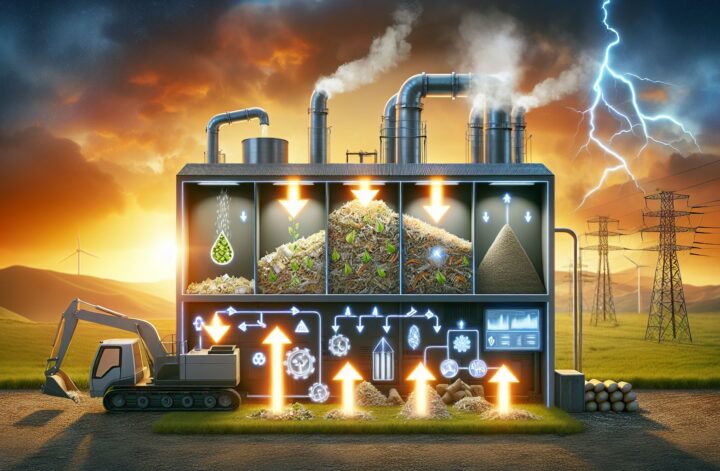
Anaerobic digestion is a complex sequence of processes by which microorganisms break down biodegradable material in absence of oxygen. The process occurs in four main steps: hydrolysis, acidogenesis, acetogenesis, and methanogenesis[^1^].
Hydrolysis is the process of breaking down complex organic matters into simpler ones with the help of hydrolytic bacteria. These simplified substances are then converted into volatile fatty acids during acidogenesis. In acetogenesis, these fatty acids are transformed into acetic acids, hydrogen, and carbon dioxide.
In the final step, methanogenesis, methanogenic bacteria convert these byproducts into methane, carbon dioxide, and water, creating biogas.
[^1^]: Tchobanoglous, G., Burton, F.L., & Stensel, H.D. (2003). Wastewater Engineering: Treatment and Reuse. McGraw-Hill Education.
The Role of Biogas in Renewable Energy
The primary component of biogas, methane, is a potent energy source. When burned, it releases a significant amount of energy, which can be used to produce heat and electricity in a process called combined heat and power (CHP). The benefits of this are twofold: not only does it present an opportunity for renewable energy production, but it also prevents methane – a potent greenhouse gas – from being released into the atmosphere. By harnessing the energy of biogas through anaerobic digestion and CHP, we can turn wastes into valuable resources[^2^].
Moreover, the remaining digestate – the material left over from the anaerobic digestion process – is an excellent organic fertilizer, rich in vital nutrients. This creates a sustainable, closed-loop cycle: organic waste generates renewable energy and, in turn, contributes to agriculture and further organic waste production.
[^2^]: Monnet, F. (2003). An Introduction to Anaerobic Digestion of Organic Wastes. Remade Scotland.
Biogas Upgrading and Utilization
While raw biogas can be used directly for heating, upgrading it by removing impurities and increasing its methane content makes it suitable for other uses. This process is called biogas upgrading. Purified biogas can be used as vehicle fuel, injected into the gas grid, or even used in gas appliances in the home.
Besides, as previously mentioned, the remaining digestate from the anaerobic digestion process can be used as an organic fertilizer. Not only does this return vital nutrients to the soil, but it also diverts organic waste from landfills, where it would otherwise produce harmful greenhouse gases.
The Future of Biogas
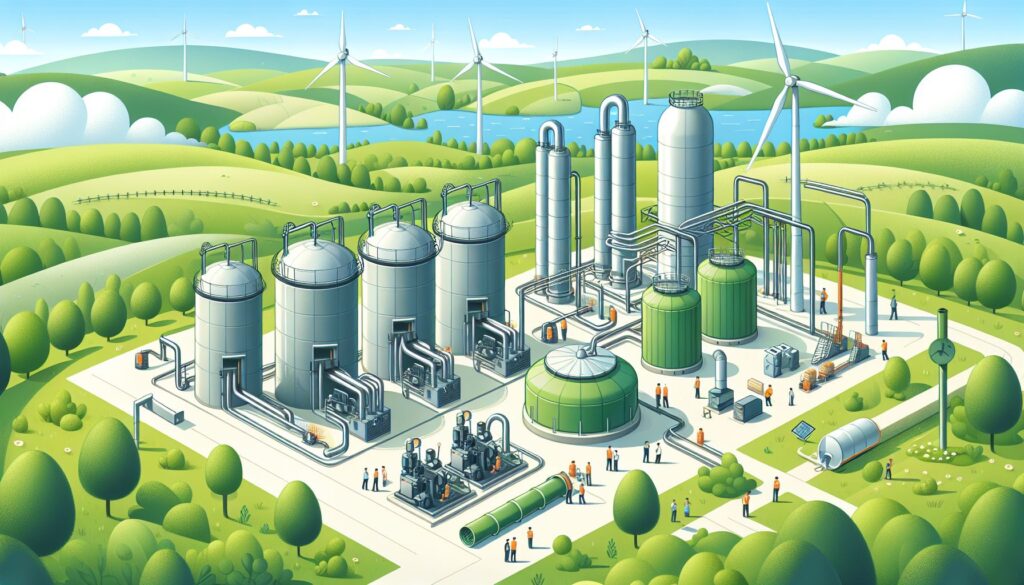
Biogas is a promising source of renewable energy, but its potential is far from entirely tapped. With the right technologies and strategies, we can scale up biogas production to an industrial level, providing a significant portion of the world’s energy needs, while managing organic wastes effectively and sustainably. High-rate anaerobic digestion, a technology that increases the throughput and reduces the size of anaerobic digesters, may play a crucial role in this[^3^].
Moreover, integrating biogas production into existing waste management and agriculture industries could not only boost renewable energy output but also reduce the environmental impacts of these sectors. For instance, manure from livestock farms and sludge from wastewater treatment plants both make excellent feedstock for anaerobic digestion.
[^3^]: Abbasi, T., Tauseef, S.M., & Abbasi, S.A. (2012). Biogas Energy. Springer New York.
Conclusion
The potential of biogas as a significant source of renewable energy is immense. Not only could it help meet burgeoning global energy demand, but it also provides a sustainable solution to organic waste management. Through an understanding of the biogas production process, and with the scaling-up of anaerobic digestion technology, we could move toward a greener, more sustainable future.
Resources
[^1^]: Tchobanoglous, G., Burton, F.L., & Stensel, H.D. (2003). Wastewater Engineering: Treatment and Reuse. McGraw-Hill Education.
[^2^]: Monnet, F. (2003). An Introduction to Anaerobic Digestion of Organic Wastes. Remade Scotland.
[^3^]: Abbasi, T., Tauseef, S.M., & Abbasi, S.A. (2012). Biogas Energy. Springer New York.