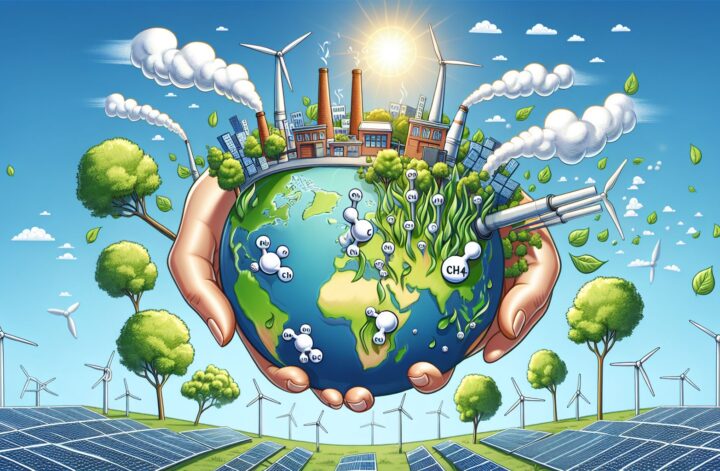

Methane is a potent greenhouse gas, much more potent than CO2, and its successful capture from varied sources has significant implications for reducing the global carbon footprint. From natural gas systems to agriculture, landfills, coal mining, and more, the sources of methane are close and wide-spreading. In this enlightening exploration of methane capture, we’ll cover everything – from the basics to its environmental and economic implications.
A Basic Understanding of Methane
Methane is a powerful greenhouse gas made up of one carbon atom and four hydrogen atoms 1^. While it is less abundant in the atmosphere than carbon dioxide (CO2), methane has a greater warming potential – around 25 times that of CO2 over a 100-year period.
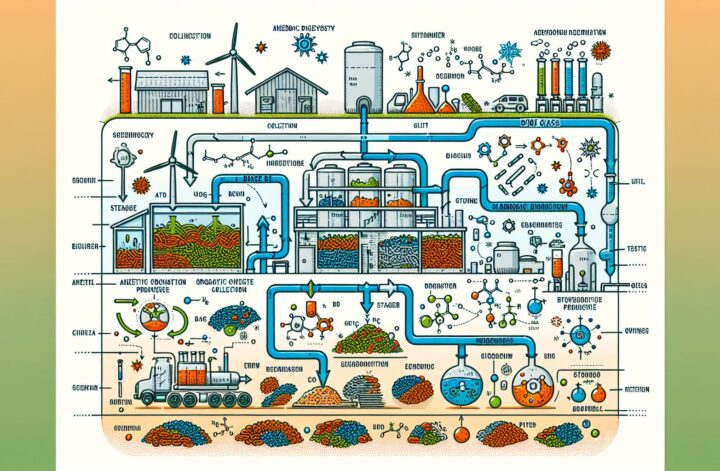
Methane capture refers to the process of trapping and storing methane produced from natural or anthropogenic sources, in a bid to prevent its release into the atmosphere.
Sources of Methane
The primary sources of methane are from human activity. These include:
-
Agriculture: Livestock generate a significant amount of methane as part of their digestive processes. Manure stored in lagoons or tanks can further produce methane.
-
Natural Gas and Petroleum Systems: Methane extraction and transport via natural gas systems can result in leaks, contributing generously to overall methane emissions.
-
Landfills: Decomposition of organic waste material in landfills produces methane.
-
Coal Mining: Methane is released during both surface mining and deep drilling processes.
Methane Capture Technologies
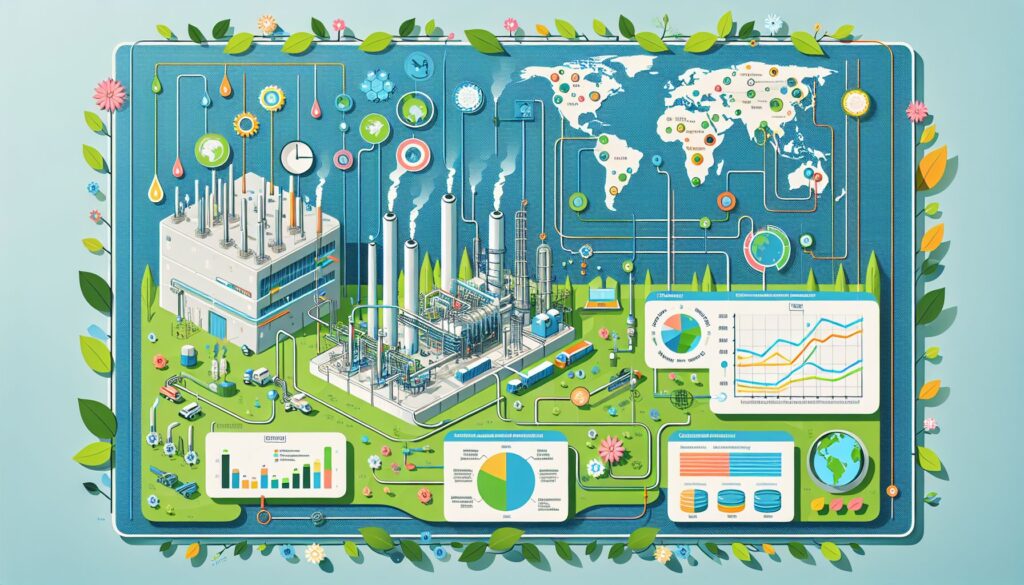
Multiple technologies facilitate methane capture, varying greatly in their methods, efficacy, and costs.
-
Cryogenic Distillation: A method used mainly in the natural gas industry, it entails cooling the gas stream to separate out the methane into a liquid that can be easily stored and transported 2^.
-
Absorption and Adsorption: These methods use other substances to absorb or adsorb methane respectively. An absorbent physically absorbs methane, akin to a sponge absorbing water. Adsorbents, on the other hand, bond methane molecules to their surface.
-
Membrane Separation: This technique employs specialized membranes that allow methane to pass through, separating it from other gases.
Environmental and Economic Implications
The environmental benefits of capturing methane are manifold. Not only does it curtail the buildup of a potent greenhouse gas in the atmosphere, thereby mitigating climate change, but also prevents air and water pollution often associated with methane-emitting activities, particularly in industries such as coal mining and the natural gas sector.
The captured methane itself presents a renewable energy source. As such, financial benefits can also be gained from its capture. Methane can be processed into natural gas, a valuable commodity in today’s energy markets. Moreover, industries can often save money by reducing losses from leakages and mitigating pollution-related fines and sanctions 3^.
Towards a Cleaner Future
In conclusion, the capture and storage of methane present a clear win-win situation: boosting climate change mitigation efforts while opening up economic opportunities. As technology advances, bringing with it more cost-effective and efficient methods for methane capture, it is to be hoped that more industries and governments will take steps to integrate these systems into their operations, leading us towards a cleaner, greener future.
References:
-
“Overview of Greenhouse Gases.” Environmental Protection Agency. Last modified April 14, 2021. https://www.epa.gov/ghgemissions/overview-greenhouse-gases#methane.
-
Plumer, Brad. “Can Pulling Carbon from Air Make a Difference on Climate?” The New York Times. Last modified June 26, 2018. https://www.climatecentral.org/news/methane-capture-technology-breakthrough-21437.
-
“5 Reasons Why Methane Capture is Good Business.” Blog post by Sarah Parsons. World Resources Institute. Last modified October 02, 2014. https://www.wri.org/blog/2014/10/5-reasons-why-methane-capture-good-business.