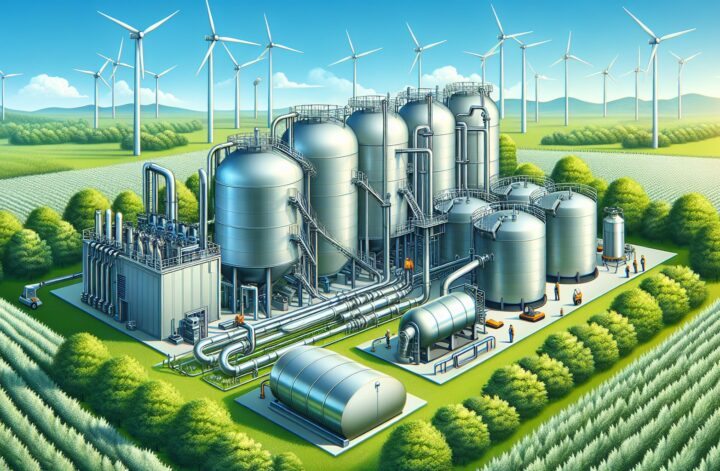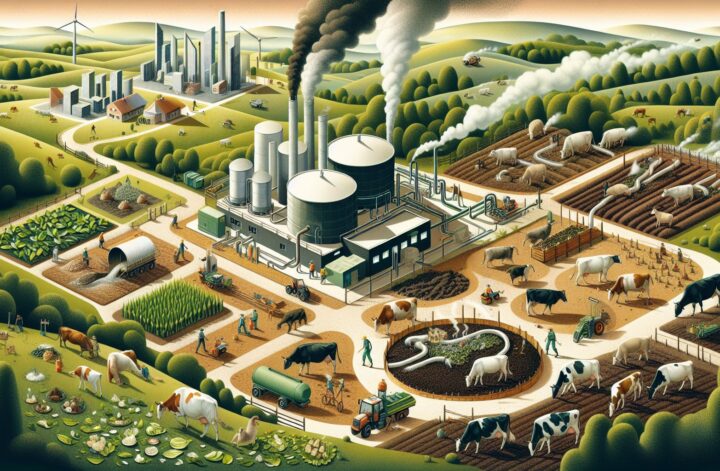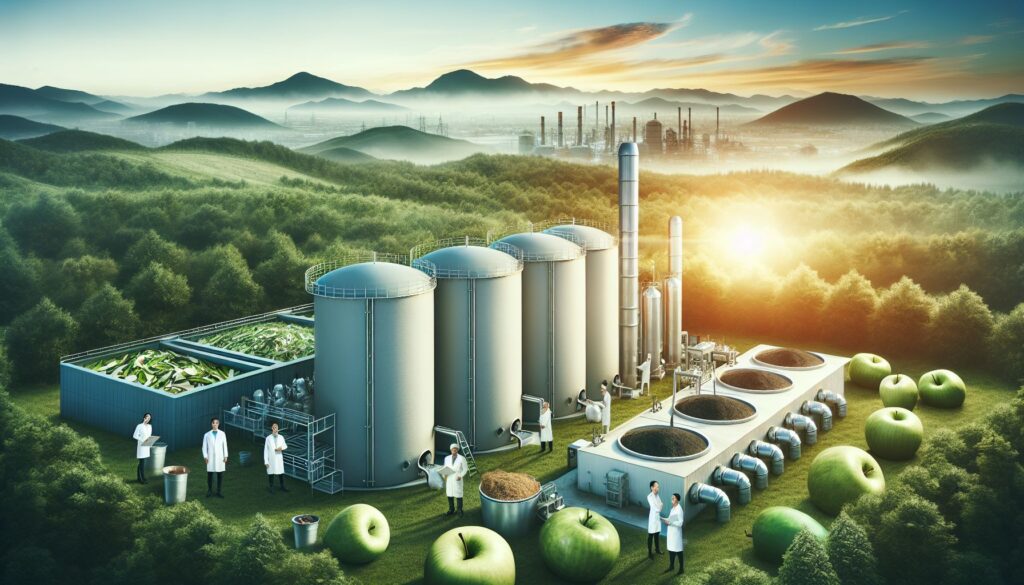
In an age where sustainable development has been receiving attention globally, renewable energy resources play a significant role. One of such resources is biogas. This article takes an in-depth exploration into the production of biogas – the process involved, its benefits, and how it contributes to greenhouse gas reduction.
What is Biogas?
Biogas is a type of biofuel that is naturally produced through the process of anaerobic digestion. The primary components of biogas are methane (CH4) and carbon dioxide (CO2), with small amounts of other gases like hydrogen sulfide (H2S). The methane content in biogas gives it the ability to burn – the fundamental characteristic that qualifies as a source of energy.
Biogas Production Process
Biogas production involves four primary stages: hydrolysis, acidogenesis, acetogenesis, and methanogenesis[^1^]. The process can occur at different temperatures, which are categorized into mesophilic digestion (around 37-41℃) and thermophilic digestion (around 50-60℃).
- Hydrolysis: In this initial stage, complex organic materials are broken down into simple sugar, amino acids, and fatty acids by extracellular enzymes.
- Acidogenesis: During acidogenesis, the products from hydrolysis are further broken down into volatile fatty acids and other acidic compounds.
- Acetogenesis: Acetogenic bacteria convert the products from acidogenesis into acetates, hydrogen, and carbon dioxide.
- Methanogenesis: In the final stage, methanogens convert the acetates, CO2, and hydrogen into methane and carbon dioxide[^2^].
Biogas Upgrading and Use
Biogas generated directly from the digester contains impurities and needs to have its methane content increased to be effectively used as a source of renewable energy. This process is known as biogas upgrading. Biogas scrubbing is one prevalent method applied for biogas upgrading.
Purified biogas can be used in combined heat and power (CHP) units to produce electricity and heat, or it can be compressed and used as a vehicle fuel. Biogas can also be injected into the gas grid, having been upgraded to biomethane.
Biogas Production and Greenhouse Gas Reduction
Biogas production significantly contributes to greenhouse gas reduction in several ways.
- By converting organic waste into energy, it relegates the amount of waste ending up in landfill. This process reduces the release of methane into the atmosphere, as organic waste decomposes and releases methane if not properly managed.
- Utilization of biogas as an energy source displaces the use of fossil fuels, reducing CO2 emissions.
Additionally, the digestate – a by-product of the biogas production process – can be used as a high-quality fertilizer, providing an environmentally friendly alternative to synthetic fertilizers[^3^].
Conclusion
Biogas production presents an environmentally friendly way of managing organic waste, while also providing an alternative source of renewable energy. By understanding the intricate processes involved in biogas production and its implications on sustainable development, we can further harness this potential for the benefits of our generations and those to come.
[^1^]: B. Appels, J. Baeyens, J. Degrève and R. Dewil, Principles and potential of the anaerobic digestion of waste-activated sludge, https://pubmed.ncbi.nlm.nih.gov/19836003/
[^2^]: D. Yazdani and M. Barlaz, “Anaerobic digestion of organic waste for methane production,” in Handbook of Conversion of Solid Wastes into Energy and Useful Products: Biological Treatment – Thermal Treatment – Biofuels, World Scientific Publishing Europe, pp. 331–347, https://www.worldscientific.com/doi/abs/10.1142/9781786347819_0017
[^3^]: L. Pesta, Biogas as a substitute for fossil fuels – an economic and environmental evaluation, https://helda.helsinki.fi/bitstream/handle/10138/312361/pesta_ladislav_thesis.pdf?sequence=1