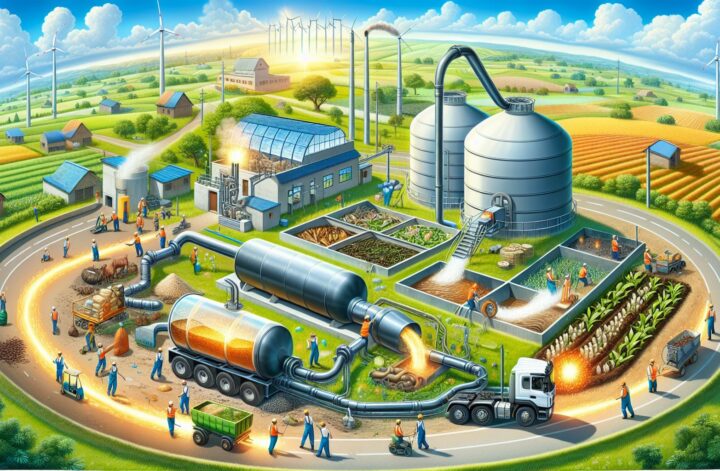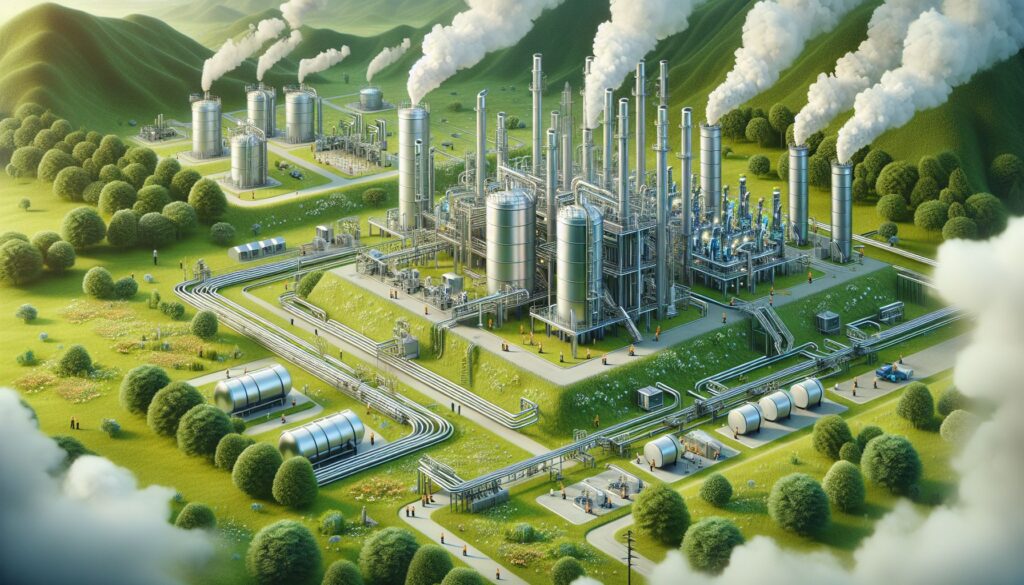
Methane is a potent greenhouse gas that, although it doesn’t linger as long in the atmosphere as carbon dioxide, is more efficient at trapping radiation. This makes methane over 20 times more effective in trapping heat in the atmosphere than carbon dioxide (Environmental Defense Fund, 2021). However, methane, if captured and harnessed effectively, can be used as a valuable renewable energy source. This article explores the process of methane capture, its potential as an energy source, and the environmental benefits it provides.
What is Methane Capture?
Methane capture is the process of collecting methane gas released from various sources like waste management facilities, coal mining, and petroleum businesses. The commonplace method for methane gas capture is through biogas generation, where organic waste decomposes in anaerobic conditions, producing a mixture of methane and carbon dioxide. The methane is then separated, treated, and harvested for use (Environmental Protection Agency, 2021).
Uses of Captured Methane
Captured methane can be utilized in a variety of ways, such as:
-
Heat Generation: Methane is commonly employed for direct burning and can be used as a source of heat in various industrial applications.
-
Electricity Generation: Captured methane can be treated and utilized in turbines and internal combustion engines to generate electricity.
-
Vehicle Fuel: Compressed methane, also known as Biomethane, can replace fossil fuels in vehicles, significantly reducing greenhouse gas emissions from transportation (Union of Concerned Scientists, 2021).
Environmental Benefits of Methane Capture
Methane capture presents a plethora of environmental benefits. Foremost, it combats climate change by preventing methane release into the atmosphere, thus limiting its greenhouse effect. Besides, by transforming waste into renewable energy, it discourages the use of fossil fuels reducing carbon dioxide emissions.
Challenges and Solutions
Despite the noted benefits of methane capture, challenges persist. Its geographic dispersion often requires significant infrastructure for collection and transport. Additionally, inconsistent and low methane content can influence the economic viability of capturing projects.
Advanced technologies are addressing these challenges. Biogas upgrading, for instance, separates carbon dioxide from methane, thus enriching the gas and making it economically viable. Furthermore, the utilization of nanotechnology, selective membranes, and cryogenic methods improve the capture effectiveness of methane (Energy.gov, 2021).
The Potential Future of Methane Capture
Overall, methane capture is a promising pathway for mitigating climate change while harnessing an underutilized resource. As technologies and methods continue to advance, the capacity to capture and utilize methane gas grows. Future works must focus on making methane capture a sustainable, economically viable solution.
An integrated approach encompassing regulatory frameworks, technological advancements, public-private partnerships, and public awareness can drive methane capture forward. For our part, we can contribute by supporting policies favoring renewable energy, recycling, and waste segregation. Together, we can transform a greenhouse gas into an asset, take steps towards energy sustainability, and ultimately, protect our planet.
While methane capture is not the silver bullet solving all climate change issues, it certainly contributes significantly to the mitigation of global warming. As such, it deserves a prominent role in ongoing efforts to limit global warming below the critical threshold of 2 degrees celsius and help us transition to a sustainable future.
References:
-
Environmental Defense Fund. (2021). Methane: The other important greenhouse gas. Retrieved from https://www.edf.org/methane-other-important-greenhouse-gas
-
Environmental Protection Agency. (2021). Basic Information about Landfill Gas. Retrieved from https://www.epa.gov/lmop/basic-information-about-landfill-gas
-
Union of Concerned Scientists. (2021). How Landfills Contribute to Global Warming. Retrieved from https://www.ucsusa.org/resources/how-landfills-contribute-global-warming
-
Energy.gov. (2021). Methane Hydrate FAQs. Retrieved from https://www.energy.gov/fe/science-innovation/oil-gas-research/methane-hydrate/methane-hydrate-faqs