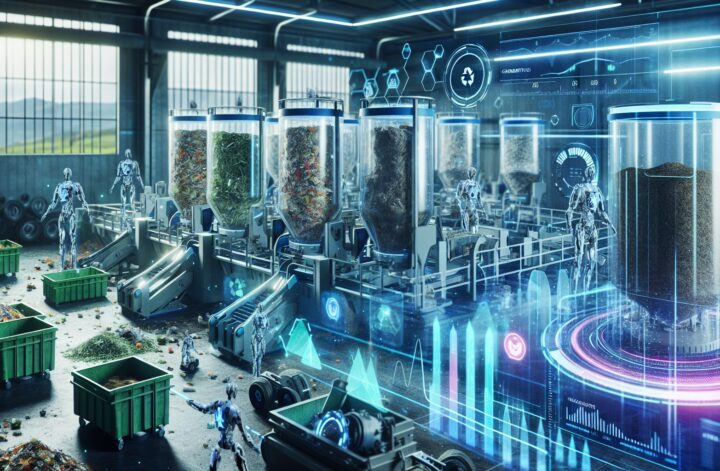
As we continue to grapple with the impact of human-induced climate change, the need for sustainable and clean energy sources becomes increasingly imperative. Of the renewable energy forms available, wind, solar, and hydroelectricity are among the most recognizable. One subset, however, that does not often receive the recognition it deserves as a suitable alternative to fossil fuels is bioenergy. Specifically, we will be shedding light on biogas – a source of energy that revolutionizes our approach to waste management while simultaneously offering a solution to our quest for renewable energy.
Introduction to Biogas
Biogas presents a unique solution that elevates the notorious “waste to wealth” adage. Typically produced through the biological breakdown of organic waste in the absence of oxygen—a process known as anaerobic digestion—biogas offers a sustainable way of managing organic waste while simultaneously producing renewable energy[^1^].
Understanding Biogas Production
Biogas production occurs through a progression of phases, starting with hydrolysis, followed by acidogenesis, then acetogenesis, and finally, methanogenesis.
Hydrolysis
During hydrolysis, the complex organic materials present in the waste are broken down into simple sugars, amino acids, and fatty acids. Bacteria achieve this by secreting enzymes that help to dissolve these complex compounds.
Acidogenesis
Following this, acidogenic bacteria convert these simple molecules into volatile fatty acids, carbon dioxide, and hydrogen during the process of acidogenesis.
Acetogenesis
The next step, acetogenesis, involves the transformation of these substances into acetate, carbon dioxide, and hydrogen by acetogenic bacteria.
Methanogenesis
The final stage is methanogenesis, where methanogenic archaea convert the products of acetogenesis into methane, carbon dioxide, and vapor[^2^].
The Potential of Biogas
The biogas obtained through this process typically comprises about 60-70% methane and 30-40% carbon dioxide, with other residue gases. The beauty of this process lies in its sustainability. Organic wastes that would have otherwise ended up in landfills are put to good use. Biogas caters to various energy demands including heating, electrical power, and fuel for transport, to mention a few.
Biogas Upgrading: Towards Biomethane
With the debilitating effects of climate change becoming more evident than ever, the pursuit of cleaner fuels remains a top priority. Biogas, already a cleaner alternative to fossil fuels, can further be cleaned or “upgraded” to biomethane—a fuel that can substitute for natural gas. By removing pollutants, carbon dioxide, and other non-methane elements, we end up with 95% methane[^3^].
The Role of Renewable Energy in Climate Change Mitigation
Now more than ever, we need to decrease our reliance on fossil fuels. By embracing renewable energy solutions like biogas, we not only avert the detrimental environmental and health hazards caused by these fuels, but also devise a sustainable and circular economy that recycles waste and capitalizes on it to offer power solutions. Essentially, the broader adoption of renewable energy plays a pivotal role in the mitigation of greenhouse gas emissions, thereby reducing global warming.
Conclusion
The urge to transition to a green economy has never been more compelling, as nations endeavor to meet the carbon-neutral objectives articulated in the Paris Agreement. Renewable energy sources like Biogas present suitable alternatives to our unsustainable reliance on fossil fuels. Moreover, they paint a more holistic approach to environmental management, turning the seemingly undesirable organic waste into valuable assets. While the technology to tap into the vast potential of biogas has been in existence, it necessitates greater efforts in facilitating adoption and stimulating investments in this field.
Comprehending the dynamics of biogas production, the process of anaerobic digestion, biogas upgrading, and the wider role of renewable energy in combating climate change offers a crucial step towards this goal. Above all, it underscores our potential to innovate and revolutionize even the most modest of activities—like managing organic waste—to generate effective solutions to complex environmental predicaments.
[^1^]: Anaerobic Digestion (AD), Renewable Energy Association (REA). Available at: https://www.r-e-a.net/our-members/sectors/biogas/
[^2^]: Process of Anaerobic Digestion, American Biogas Council. Available at: https://www.americanbiogascouncil.org/biogas-what-is-it/
[^3^]: What is Biogas, Atmos International. Available at: https://www.atmosi.com/us/blog/what-is-biogas-upgrading/