As an eco-friendly consumer, you may have heard terms such as “refuse, reduce, reuse, recycle,” or “the three R’s.” Yet have you heard the term “biogas production” with regard to organic waste management and renewable energy exploitation? In our modern world, with environmental concerns becoming more critical by the day, it’s crucial that we dive into this innovative solution that could drastically alter the way we manage our waste and our energy.
What is Biogas Production?
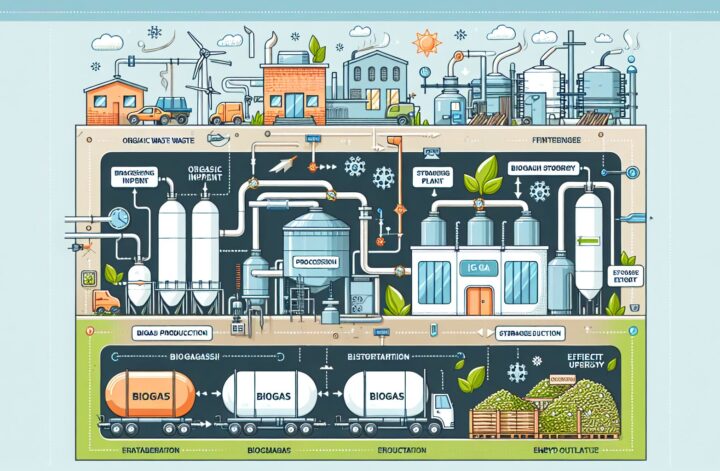
Biogas production is the process by which organic waste matter (including food scraps, animal manure, green waste, and sewage) is broken down by microorganisms in an oxygen-free (anaerobic) environment to produce biogas—a mixture of methane, carbon dioxide, and other trace elements[^1^]. Biogas can be used for heating, electricity generation, or it can be cleaned and upgraded to natural gas-quality biomethane for injecting into the natural gas grid or use as vehicle fuel[^2^].
Biogas Production Process: A Closer Look
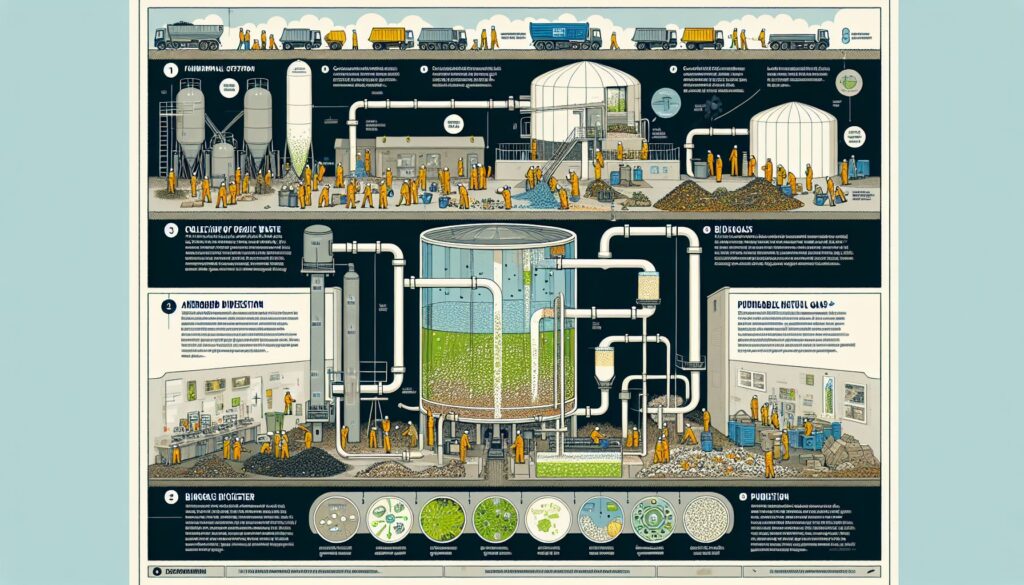
Biogas production is a series of complex biochemical reactions occurring in four stages: hydrolysis, acidogenesis, acetogenesis, and methanogenesis[^1^].
- Hydrolysis: The long-chain organic matter is broken down into smaller compounds.
- Acidogenesis: These smaller compounds are further broken down into volatile fatty acids and alcohols.
- Acetogenesis: The fatty acids and alcohols are converted into hydrogen, carbon dioxide, and acetic acid.
- Methanogenesis: The methanogenic bacteria convert these compounds into biogas.
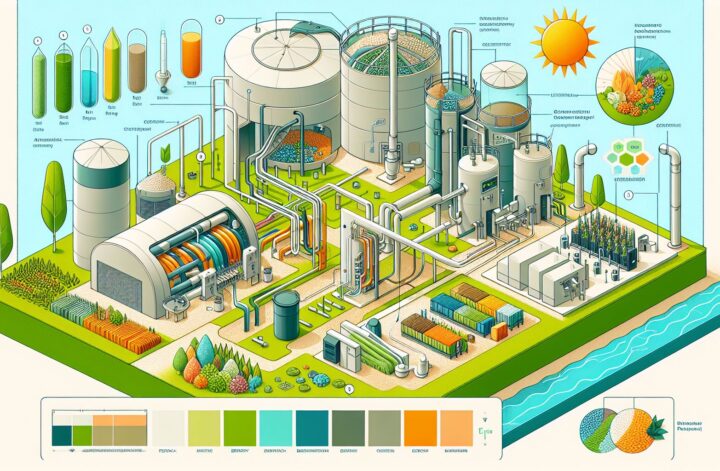
This process usually occurs in an anaerobic (oxygen-free) digester, which is critically designed to adapt to different waste types, temperatures, and organic loading rate (OLR).
Biogas Production: Beneficial Outcomes
The production of biogas yields two valuable products: a methane-rich biogas and a residue known as “digestate.” The biogas can substitute fossil fuels; thus, it contributes to reducing greenhouse gas emissions and dependence on fossil fuels[^2^].
The digestate is a biofertilizer—an excellent nutrient-rich supplement for land application. By recycling nutrients back to agricultural lands, we can close the loop of nutrient flows and gradually move toward a circular economy[^3^].
Apart from these, biogas production also contributes to organic waste treatment, sludge stabilization, and volatile solids reduction, leading to a significant contribution in waste management strategies.
Challenges & Future Directions
Despite the obvious benefits of biogas production, it’s not without its challenges. The process needs continuous monitoring since the buildup of substrates like ammonia or the deficiency of trace elements can inhibit the process, leading to system shutdown[^1^].
Furthermore, high capital costs, slow returns, and lack of knowledge amongst potential users are barriers to biogas adoption. However, knowing the immense benefits of biogas production, we should explore sustainable business models, public-private partnerships, technology innovations, and targeted education to overcome these barriers[^3^].
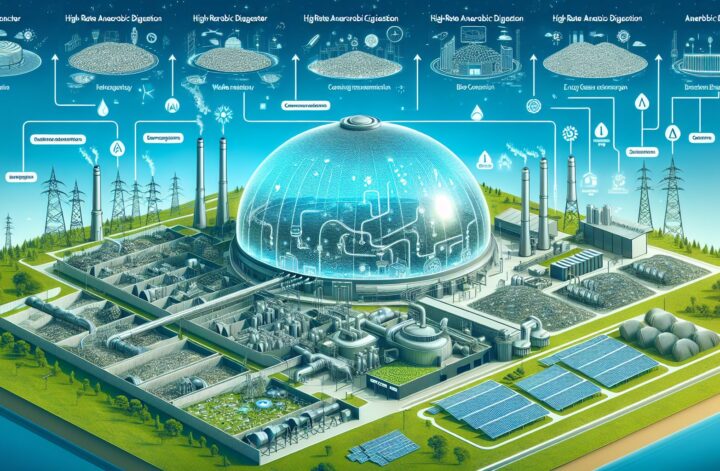
Currently, emerging concepts such as co-digestion—digesting different wastes together to enhance biogas yield—and methods including thermophilic digestion (at high temperatures) and high-rate anaerobic digestion (at high organic loading rates), offer promising research directions for improving the process.
To conclude, biogas production is an example where waste is not waste, but an opportunity to resolve many of our environmental challenges. By embracing the principles of a circular economy, we can manage our waste more wisely and contribute to energy sustainability, while at the same time offering numerous environmental, economic, and social benefits.
References
[^1^]: M. A. Martin, A. S. Grossman, S. T. Kleinman, and L. L. Rolls, “Anaerobic digestion of organic waste for biogas production,” Environmental Microbiology, vol. 18, no. 2, pp. 243-260, 2017. Link
[^2^]: P. Gerardi, The Microbiology of Anaerobic Digesters, New Jersey: John Wiley & Sons, 2003. Link
[^3^]: J. Brown, and M.S. Liotta, “Transitioning to biogas: a sustainable solution for organic waste management,” Environmental Scientist, vol. 23, no. 1, pp. 13-19, 2014. Link