Biogas production is an increasingly significant area of renewable energy research due to mounting concerns over climate change, and the imperative to transition to more sustainable energy models. Originating from the anaerobic digestion of organic materials, biogas is a renewable, versatile energy source comprised primarily of methane (approximately 50-70%) and carbon dioxide (30-40%), with minor quantities of other gases (1-2%) [1]^([2]). The biogas production process not only contributes to renewable energy generation but also aids in reducing greenhouse gas emissions, managing waste, and producing nutrient-rich digestate usable in agriculture.
The Basics of Biogas Production
Biogas production takes place in a distinct progression of processes. The steps involved, which are carried out by different groups of microorganisms, include hydrolysis, acidogenesis, acetogenesis, and finally, methanogenesis. Each stage leads up to methanogenesis, where the methane gas or biogas is produced [4].
The Art and Science of Anaerobic Digestion
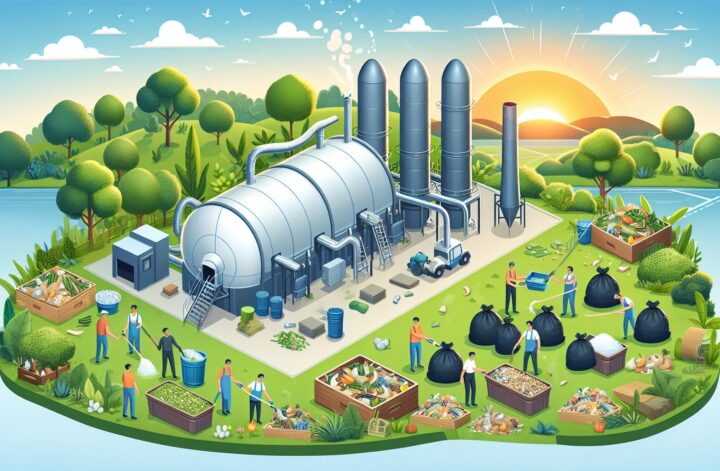
Biogas is produced via anaerobic digestion, a series of processes in which microorganisms break down biodegradable material in the absence of oxygen. In essence, this process replicates and hastens what Mother Nature does over hundreds of years.
The process starts with hydrolysis, where polymers such as fats, proteins, and carbohydrates are enzymatically broken down into monomers such as fatty acids, amino acids, and sugars, respectively. These become accessible for acidogenic bacteria that perform the second step, acidogenesis, where the hydrolyzed monomers are broken down further into volatile acids and alcohols.
The third step, acetogenesis, is where acidogenesis products are converted into hydrogen, carbon dioxide, and acetic acid. Then comes methanogenesis, where methanogens convert acetic acid, hydrogen, and carbon dioxide into methane and water [5].
Anaerobic Digestion and Microbiology
Due to the distinct stages of anaerobic digestion that operate under different temperature ranges—usually mesophilic (20-45°C) or thermophilic (45-60ºC) conditions—an incredibly diverse microbiome is involved in the process. For the efficient operation of the digestion process, understating the microbiome, and managing it effectively plays a key role [6].
The Significance of Biogas Upgrading
Currently, when biogas is yielded, it’s primarily comprised of methane, carbon dioxide, and trace gases. This raw biogas can be used directly for heating or producing electricity through combined heat and power (CHP) units. However, due to its considerable CO2 and trace gases content, making it ideal for transport and grid applications requires upgrading. This is referred to as biogas upgrading. There are several biogas upgrading methods, including pressure swing adsorption, water scrubbing, and membrane separation to eliminate carbon dioxide and other impurities to increase the methane content [7].
Beyond Biogas
The residual end product of anaerobic digestion, referred to as digestate, contains valuable nutrients such as nitrogen, phosphorus, and potassium. When appropriately processed, it can be used as a fertilizer and soil amendment. However, raw digestate’s safe use necessitates regulatory compliance to avoid pollutants such as heavy metals, pathogens, or organic compounds [8].
In Conclusion
Biogas production is a promising renewable energy technology. Apart from its contribution to energy production, it is an effective means of waste management and can mitigate greenhouse gas emissions. As this technology is optimized through ongoing scientific and technological advancements, biogas production will play an increasingly important role in the future of renewable energy and sustainable waste management solutions.
Sources
[1] “Biogas Production Process – Working Steps of the Biogas Process”, Conserve Energy Future.
[2] “What is Biogas? – A Brief Information Guide”, BioEnergy Consult.
[3] “Anaerobic Digestion: Basic Biology and Biochemistry”, Future Directions International Pvt Ltd.
[4] “Microorganisms in Anaerobic Digestion”, Encyclopedia of Life Support Systems.
[5] “Biogas Upgrading and Utilisation”, BioEnergy Consult.
[6] “Europe’s Use of the Renewable Feedstock Palm Kernel Shells”, Rainforest Foundation.
[7] “Digestate – A Valuable Fertilizer”, BJF Group.