Addressing the critical problems of our century, such as environmental degradation and the energy shortage, is imperative more than ever. The solution lies in innovative methods that reduce our reliance on non-renewable resources while mitigating pollution. With this in mind, let’s dive into the topic of Organic Waste Treatment, which more and more appears to be a promising avenue toward the dissipation of these issues.
Organic Waste: A Raw Material Untapped
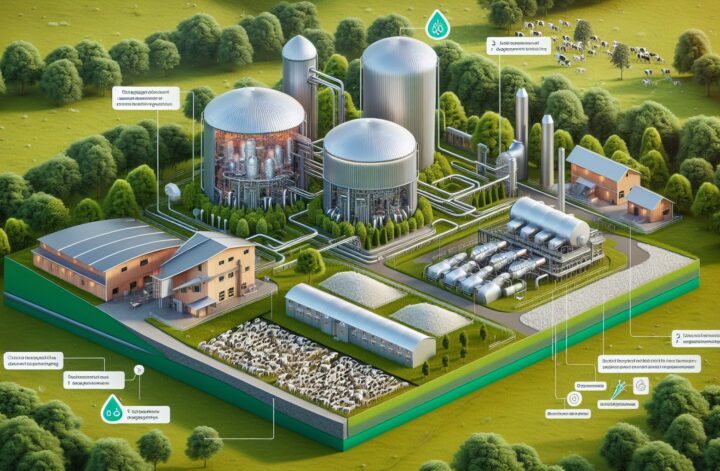
Organic waste has traditionally been considered an inconvenience, burdened with the tasks of collection, treatment, and disposal. Yet, within this ‘waste’ lies a vast potential that, only recently, has been recognized and coveted. Organic waste produced in municipal solid waste (MSW) and agricultural production can be transformed into a renewable source of energy, effectively closing the loop of waste to energy[^1^].
The Process of Organic Waste Treatment
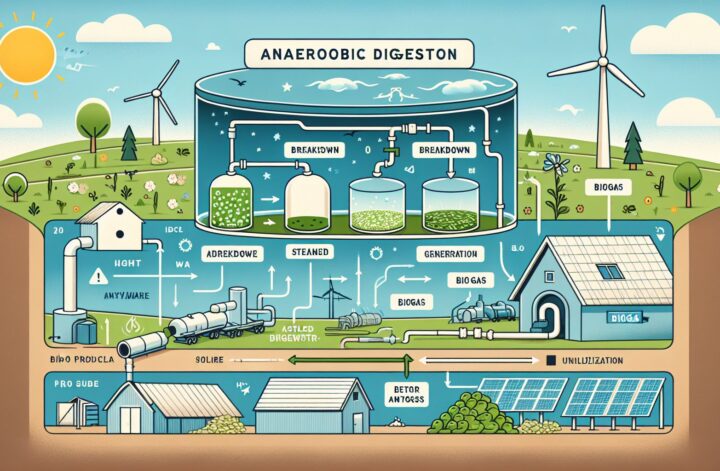
The backbone of organic waste treatment is a set of biological processes collectively known as Anaerobic Digestion (AD). AD occurs in an oxygen-free environment, wherein complex organic matter in the waste is broken down by microbial communities. The end products are biogas, a renewable source of energy, and digestate, a nutrient-rich material that can be used as a high-quality fertilizer. This dual-product output has exceptional potential in agro-energy production[^2^].
The AD process is classified into four stages: hydrolysis, acidogenesis, acetogenesis, and methanogenesis.
-
Hydrolysis: It is the process by which large insoluble organic molecules are converted into soluble organic molecules, e.g., the conversion of fats into fatty acids.
-
Acidogenesis: It involves bacteria which convert the soluble molecules created in hydrolysis into organic acids and alcohol.
-
Acetogenesis: This is the process where acid-forming bacteria convert the organic acids into acetic acid, carbon dioxide, and hydrogen.
-
Methanogenesis: This is the final stage where methane-producing methanogens transform the aforementioned products, i.e., acetic acids, carbon dioxide, and hydrogen, into methane[^3^].
“These four steps form a complex chain in which the product of one step becomes the substrate of the next. Far from being independent, these steps are interlinked through synergistic and mutualistic relationships of the microorganisms involved,” based on a report published in the journal of Environmental Science and Technology[^4^].
Anaerobic Digestion: Its Importance and Sustainable Benefits
Anaerobic digestion as a method of organic waste treatment presents several compelling advantages over traditional treatment methods:
-
Renewable Energy Production: Anaerobic digestion transforms organic waste into a valuable source of renewable energy, thereby reducing our reliance on fossil fuels.
-
Waste Volume Reduction: By transforming organic waste into biogas and digestate, the volume of waste that requires disposal is significantly reduced.
-
Greenhouse Gas Emission Reduction: By capturing and using the methane produced in the anaerobic digestion process, we can reduce the greenhouse gases that would otherwise be released into the environment.
-
Nutrient Recovery: The digestate produced during the AD process is nutrient-rich and can be used as a high-quality fertilizer, promoting sustainable agricultural practices.
The Way Forward
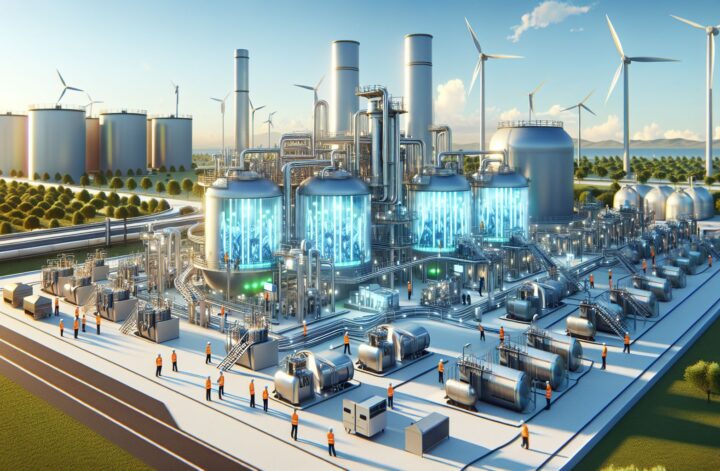
The potential of organic waste treatment is evident yet, to fully harness its potential, we must address some challenges. The efficiency of the process can be affected by various factors, including temperature, pH levels, retention time and the balanced diet of the microbial communities involved. Also, organic waste is diverse in nature; so, some types of waste may require specific pre-treatment processes before it can be efficiently digested. Therefore, continuing research is vital to optimize the process for different waste streams and environmental conditions.
Investing in the sector of organic waste treatment might bear the fruits of food security, energy independence, and most importantly, a sustainable future. Only time will tell if we have learned to appreciate waste not as an afterthought but as a goldmine of opportunities.
References
[^1^]: Themelis, N. J., & Ulloa, P. A. (2007). Methane generation in landfills. Renewable energy, 32(7), 1243-1257.
[^2^]: Labatut, R. A., Angenent, L. T., & Scott, N. R. (2011). Conventional mesophilic vs. thermophilic anaerobic digestion: A trade-off between performance and stability? Water Research, 45(2), 277-285.
[^3^]: Appels, L., Baeyens, J., Degrève, J., & Dewil, R. (2008). Principles and potential of the anaerobic digestion of waste-activated sludge. Progress in Energy and Combustion Science, 34(6), 755-781.
[^4^]: De Vrieze, J., Verstraete, W., & Boon, N. (2013). Repeated pulse events allow the enrichment of syntrophic consortia to perform syngas fermentation. Environmental science & technology, 47(15), 8776-8781.