In our concerted global effort to thwart the toll of climate change, renewable energy continues to spotlight the forefront of our pushback. One such promising technology is High-Rate Anaerobic Digestion (HRAD). Steeped in a sound scientific foundation, HRAD acts as a technique to handle waste while simultaneously yielding energy. This article aims to provide a comprehensive understanding of HRAD, its process, advantages, and significance in our sustainability efforts.
What Is High-Rate Anaerobic Digestion?
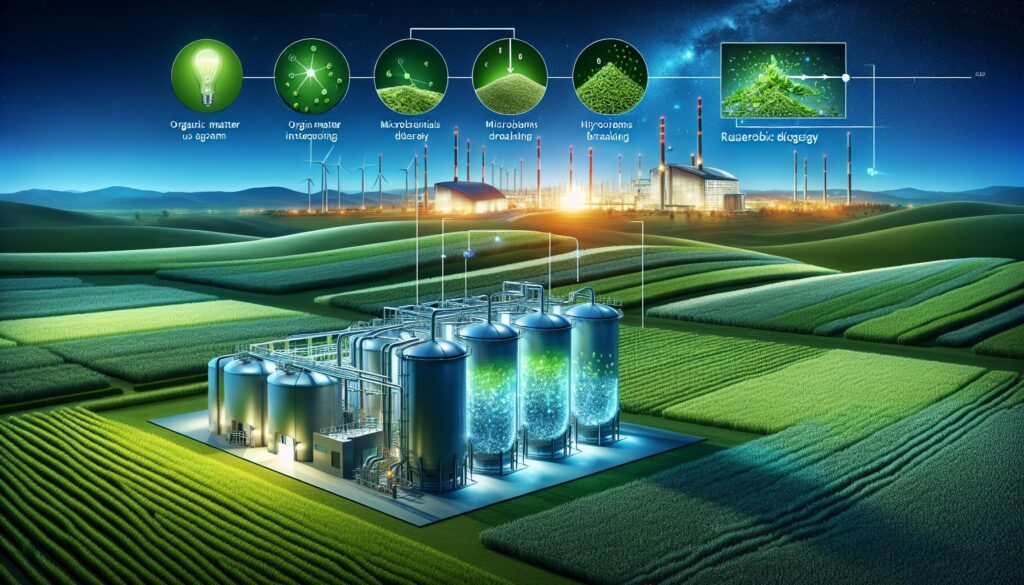
High-Rate Anaerobic Digestion is a set of physical-biological treatment processes that utilize microorganisms in an oxygen-free environment to break down organic waste and produce methane, a potent source of energy. The focus should be inherent in the name itself – this digestion happens at a high rate, hence HRAD units are compact and incredibly efficient, promoting maximum conversion of the organic waste into energy.
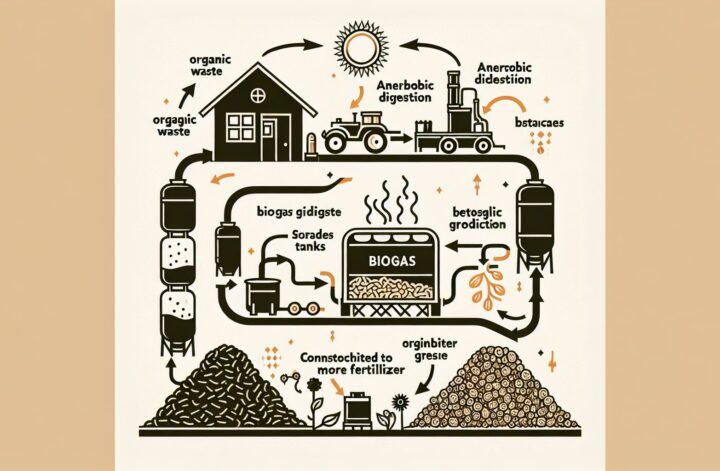
The produced methane-rich biogas can then be augmented and repurposed for a wide variety of applications like fuel for combined heat and power (CHP) plants, heating, and electricity generation (ScienceDirect). The remaining byproduct, known as Digestate, is rich in nutrients and can be refined and returned to agricultural lands as a replacement for synthetic fertilizers.
The Process: How Does High-Rate Anaerobic Digestion Work?
While the concept might sound straightforward, the actual process is elegant in its complexity. HRAD encapsulates a series of biological stages:
-
Hydrolysis: During this step, complex organic compounds are broken down into simpler molecules like monosaccharides, amino acids, and fatty acids. These substances are easier for the microorganisms to process and convert.
-
Acidogenesis: Acidogenic bacteria convert these simple structures into volatile fatty acids (VFAs) including acetate, propionate, and butyrate.
-
Acetogenesis: Acetogenic bacteria convert the remaining organic compounds into acetic acid, hydrogen, and carbon dioxide.
-
Methanogenesis: Methanogenic microorganisms then transform these compounds into methane, carbon dioxide, and water.
To maintain optimal conditions and accelerate reactions, HRAD systems generally use technologies like Up-flow Anaerobic Sludge Blanket (UASB), Expanded Granular Sludge Bed (EGSB), or Internal Circulation reactors (IC) (Biotechnology for Biofuel Production and Optimization).
Advantages and Drawbacks of High-Rate Anaerobic Digestion
The most prominent advantages of HRAD are:
-
Waste Reduction: HRAD significantly reduces the volume of waste going to our landfills, a persistent global issue.
-
Energy Generation: It produces renewable energy in the form of methane biogas.
-
Reduction of Greenhouse Gases: The process efficiently counters greenhouse gases’ harmful impacts. Methane, which is far more potent than carbon dioxide, is captured and used effectively instead of being released into the environment.
On the flip side, certain challenges persist:
-
Initial High Costs: Installation of HRAD facilities experiences slightly higher initial investment costs than traditional methods.
-
Maintenance and Operation: HRAD systems require constant monitoring and controlling to ensure optimal conditions for the bacteria.
-
Inhibition Risks: Factors like pH, temperature variations, and accumulation of toxic substances may disrupt the system.
Significance in Sustainability Efforts
In the context of climate change mitigation, HRAD offers compelling potential. As energy demand continues to grow alongside an escalating global environmental crisis, there is an urgent need for technologies like HRAD. With its ability to process organic waste, yield renewable energy, and contribute to greenhouse gas reduction, HRAD has the potential to form an integral part of the sustainability puzzle.
Conclusion
High-Rate Anaerobic Digestion is an exciting and promising solution for managing organic waste, generating renewable energy, and combatting climate change. Remember, climate change is not an isolated issue—it’s a sophisticated network of intertwined problems. Therefore, holistic solutions like HRAD, that wear many hats, are paramount in our effort to foster a sustainable future.
A continually evolving technology, HRAD, is the subject of extensive research to overcome its shortcomings and be optimally utilized. Its integration into our energy systems can significantly reduce waste’s negative environmental impacts while supporting a more sustainable future (Renewable and Sustainable Energy Reviews). Let’s embrace, implement, and pioneer such renewable energy technologies to dissipify the ominous cloud of climate change that hangs heavy over our future.