In the quest to combat environmental changes and reduce mankind’s carbon footprint, alternative energy sources have played a vital role. One such renewable energy source that has been garnering much attention is biogas. Biogas production is a natural process that is not only eco-friendly but also lucrative, owing to its potential as a renewable energy source and its ability to manage waste. This article delves into the intricate process of biogas production, its benefits, and future implications.
The Science behind Biogas Production
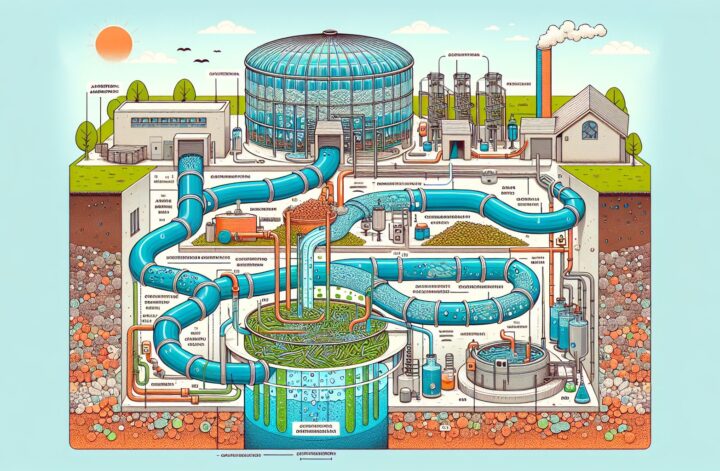
Biogas typically consists of methane, carbon dioxide, and other trace gases. It is produced through a process known as anaerobic digestion – simply put, the breakdown of organic material in the absence of oxygen. The entire process of Biogas production can be divided into four key stages: Hydrolysis, Acidogenesis, Acetogenesis, and Methanogenesis[^1^].
Hydrolysis
In hydrolysis, complex organic matter such as lipids, carbohydrates, and proteins are broken down into simpler soluble organic matter like amino acids, sugars, and fatty acids. More specifically, hydrolytic bacteria secrete enzymes that cause these breakdowns, effectively facilitating the subsequent stages.
Acidogenesis
In the acidogenesis stage, acidogenic microorganisms transform the simpler organics resulting from hydrolysis into volatile fatty acids and other by-products, including ammonia, hydrogen, and carbon dioxide.
Acetogenesis
Acetogenic bacteria play their part in the acetogenesis stage, further breaking down the remaining products from acidogenesis into acetates, hydrogen, and carbon dioxide.
Methanogenesis
Methanogenesis is the final stage of the process. Here, methanogens produce methane by utilizing the acetates and hydrogen formed in the preceding stage.
An essential aspect to consider during this process is the temperature, which can either be mesophilic digestion (around 35°C) or thermophilic digestion (around 55°C). The choice depends upon the waste type to be treated and the specific requirements of the project[^5^].
Co-digestion and Other Organic Waste Treatment Methods
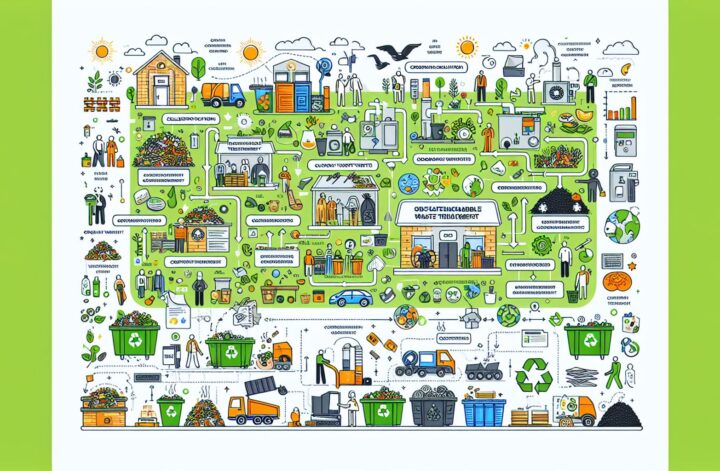
Supplementing the primary feedstock with other organic materials in anaerobic digestion is known as co-digestion. It provides several benefits, including increased biogas yield, improved nutrient balance, and enhanced process stability. Typical organic materials used in co-digestion might include food waste, crop residues, and energy crops[^2^].
Sludge stabilization is another valuable process that can reduce the mass of solids, destroy pathogens, and deodorize sludges. By undergoing a stabilization process, treated sludges, or biosolids, can be safely used in agricultural lands as soil conditioners.
Biogas production involves complex microbial communities working in synergy, ensuring the stability of the digestion process. These communities are also capable of adapting to different substrates and operational conditions. Therefore, a keen understanding of anaerobic digestion microbiology is essential for optimization[^3^].
Benefits of Biogas Production
Biogas production offers a myriad of benefits. Three significant advantages include greenhouse gas reduction, renewable energy production, and waste management.
-
Greenhouse Gas Reduction: Biogas production through anaerobic digestion helps in the direct reduction of methane emissions, a potent greenhouse gas, hence playing a crucial role in combating climate change.
-
Renewable Energy: One of the primary products of the anaerobic digestion process is methane, which is a valuable source of renewable energy. The energy generated from biogas can be used for heating purposes, electricity generation (combined heat and power – CHP), and even as a vehicle fuel following appropriate upgrading measures.
-
Waste Management: Biogas production enables efficient organic waste management. It provides an economical and sustainable solution to waste disposal, particularly in regions with extensive livestock farming or food industries.
In conclusion, the production of biogas via anaerobic digestion offers a multifaceted approach to environmental sustainability by combining waste management with renewable energy generation. Being aware of the social, political, and economic implications of our energy choices can drive us towards a sustainable future[^4^].
References
[^1^]: “How Does Anaerobic Digestion Work?” American Biogas Council. Link
[^2^]: “Co-digestion – Anaerobic digestion of multiple, mixed or co-substrates.” IEA Bioenergy. Link
[^3^]: “Anaerobic Digestion Microbiology.” Environmental Leader. Link
[^4^]: “The roles of biogas in energy transitions: A research agenda.” Springer Nature. Link
[^5^]: “Temperature Phases in Anaerobic Digestion.” Bioenergy Consult. Link