Organic waste is indigenous to every household and industrial setup. Its management crucially impacts the environment, public health, and economic growth. Organic Waste Treatment methods present a productive solution to turn organic waste into beneficial products. We will be analyzing the organic waste treatment process, its benefits, and its effective strategies in this comprehensive article.
Introduction
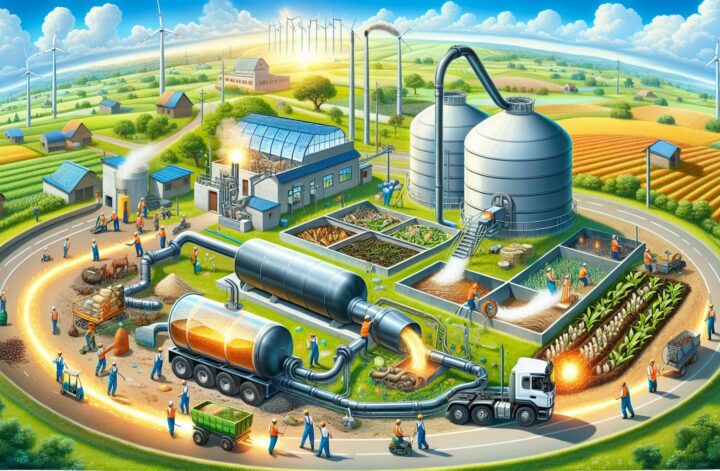
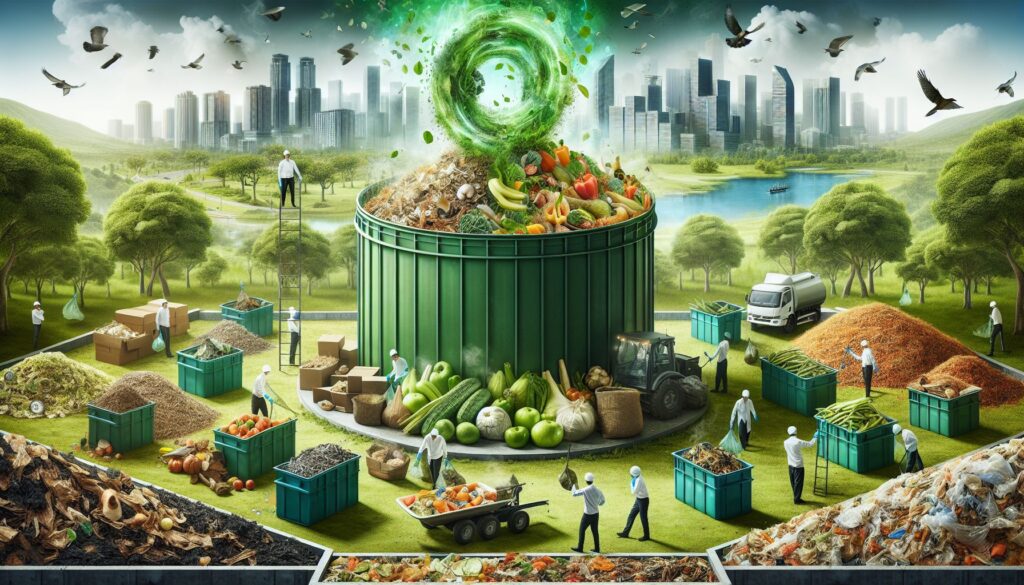
Organic waste, including food waste, yard waste, paper, and wood, accounts for over 50% of the total waste generated every year.[^1^] Time to take the old adage – one person’s trash is another’s treasure, quite literally. The aim is to convert this partly neglected waste into useful resources, such as compost, biofuels, animal feed, and more, through different Organic Waste Treatment processes. Successful Organic Waste Treatment can immensely reduce the load on landfills, decrease greenhouse gas production, and generate renewable energy.
Organic Waste Treatment Methods
There are several methods to treat organic waste, each with its potential benefits and drawbacks. Here, we shall dissect and understand the most popular and effective methods.
1. Composting
One of the most traditional methods of organic waste management, composting, involves breaking down organic waste into nutrient-rich soil conditioners through aerobic decomposition. Composting helps minimize waste while restoring depleted soil, leading to better plant growth.
2. Anaerobic Digestion
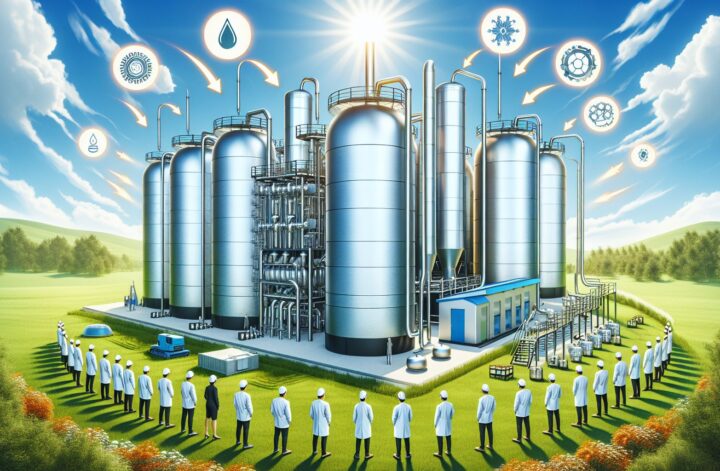
Anaerobic digestion is a biological process where microorganisms break down organic materials in an oxygen-deprived environment. This process produces biogas, a renewable energy source composed largely of methane and carbon dioxide. It is extensively used in sewage sludge treatment. Two significant anaerobic digestion processes, namely mesophilic and thermophilic digestion are widely used. Mesophilic digestion, operating at around 35°C, is prevalent because of its stability and lower energy requirements.[^2^] However, thermophilic digestion operates at 55°C-60°C and returns a higher rate of gas yield and improved pathogen reduction.[^2^]
3. Vermiculture
This method involves using certain worm species, particularly red wigglers, white worms, and other earthworms, to create a heterogeneous mixture of decomposing vegetable or food waste, bedding materials, and vermicast.
Significance of Organic Waste Treatment
Effective Organic Waste Treatment has significant advantages. The main benefits include:
-
Environment Friendly: It reduces dependence on fossil fuels and mitigates greenhouse gas emissions and pollution by transforming organic waste into renewable energy and nutrient-rich soil conditioner.
-
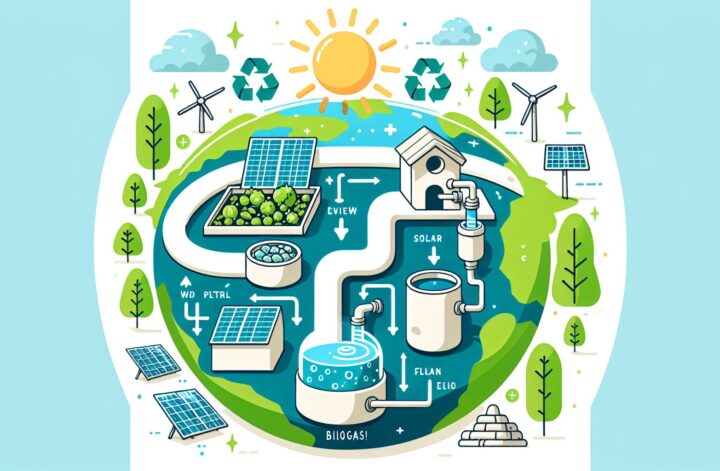
Energy Production: Anaerobic digestion of organic waste generates biogas that can be used as an energy source. Biogas can be utilized directly for cooking and power generation or can undergo upgrading processes for transforming into biofuels.
-
Resource Optimization: Organic Waste Treatment methods such as composting can help in the resourceful use of waste by cycling essential nutrients back into the soil.
-
Economic Development: It can also generate green jobs and stimulate local economies through the sale of compost, biofuels, and other by-products of the process.
-
Public Health Improvement: Waste Treatment cuts down the foul smells and helps to promote hygiene and cleanliness.
Future of Organic Waste Treatment
With the increasing pile of waste generated every day, proper waste management is a growing concern. Through the evolution of efficient waste treatment technologies, the future holds prospects for developing strategies to utilize the waste to its fullest extent. Co-digestion, a process involving the anaerobic digestion of multiple organic feedstocks together, is an emerging domain that could significantly improve the efficiency of organic waste treatment.[^1^]
Novel technologies focused on the enhancement of the anaerobic digestion process such as High-rate anaerobic digestion and the design of more efficient anaerobic digester appear promising. Furthermore, methods like biogas scrubbing and upgrading, which purify biogas and enhance its quality, are opening new realms of possibilities in renewable energy production from organic waste. Researchers are now exploring the organic loading rate, hydraulic retention time, and solid retention time, key parameters in the anaerobic digestion process, to optimize biogas production.[^3^]
Conclusion
Handling the massive quantities of waste generated worldwide is a challenge. However, with the solutions like Organic Waste Treatment, the narrative can be changed from ‘waste management’ to ‘resource management’. Adopting these waste treatment techniques can drive us towards a sustainable, green, and resourceful future.
Sources:
[^1^]: “Converting Organic Waste to Energy” – CalRecycle ‘https://www.calrecycle.ca.gov/organics/energy/’
[^2^]: “Mesophilic and thermophilic anaerobic co-digestion of winery wastewater sludge and wine lees: An experimental and modelling study.” – Elsevier ‘https://www.sciencedirect.com/science/article/abs/pii/S0956053X16305698’
[^3^]: “Anaerobic Digestion of Wastewater Sludge” – ScienceDirect
‘https://www.sciencedirect.com/topics/earth-and-planetary-sciences/anaerobic-digestion’