Climate change, exhaustion of fossil fuels, and an increase in energy demand are significant threats to sustainable development globally. The search for green energy solutions has significantly heightened in recent years. This exploration has underscored the importance of renewable energy, more importantly, biogas energy to combat these threats. One of the emerging techniques in renewable energy generation is the process of co-digestion. This article delves into the co-digestion process, its relevance, advantages, the materials used, and its role in sustainable energy production.
What is Co-digestion?
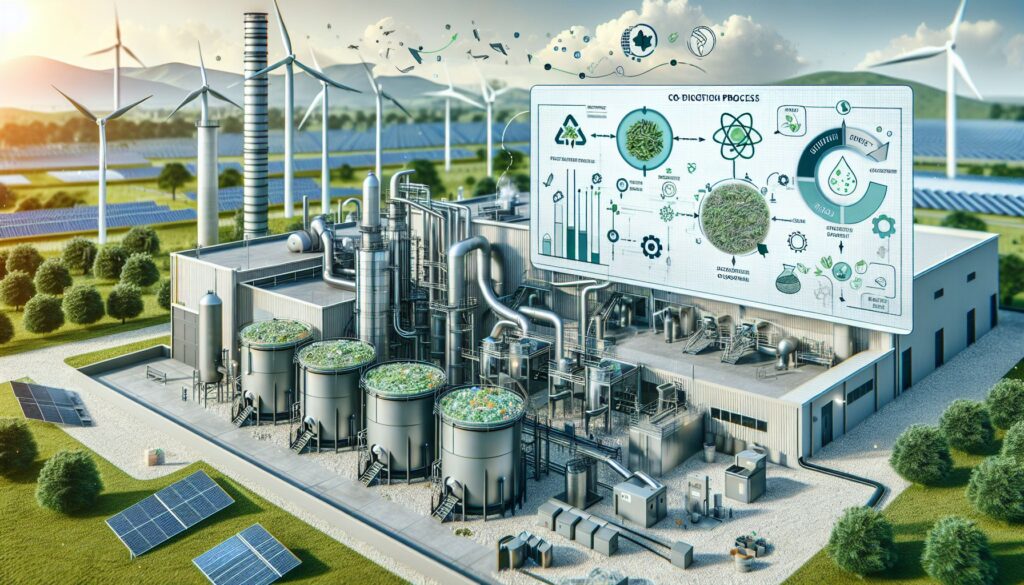
Co-digestion refers to the simultaneous digestion of multiple types of organic waste in a single anaerobic digester. It is a technique for boosting anaerobic digestion (AD) and biogas yield by mixing different substrates or feedstocks [[^1^]][^1^]. This process provides an alternative to individually disposing of different waste types and enhances overall waste management efficiency.
How does Co-digestion work?
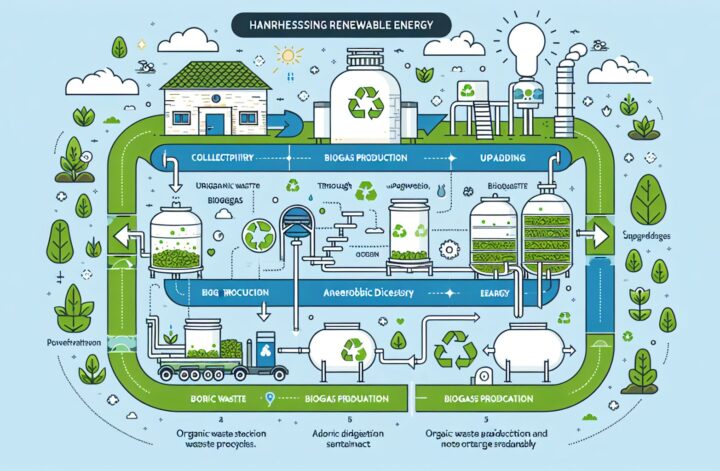
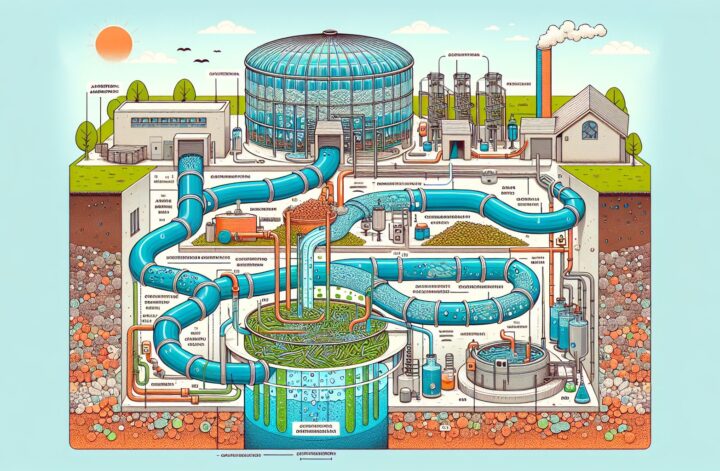
Co-digestion brings different substrates or organic waste into a single anaerobic digester. There, in an oxygen-free environment, they undergo degradation by microbes to produce biogas, mainly composed of methane and carbon dioxide. The diverse substrates create a more balanced nutrient composition, which enables the microorganisms to metabolize the waste more efficiently [[^2^]][^2^].
The co-digestion process is generally categorized into four stages:
- Hydrolysis: Biological decomposition of organic matter into soluble compounds.
- Acidogenesis: Microorganisms convert the soluble compounds from the hydrolysis stage into volatile fatty acids.
- Acetogenesis: The volatile fatty acids formed during the acidogenesis stage are further decomposed.
- Methanogenesis: The final stage where the compounds are transformed into biogas.
Each of these stages involves different types of bacteria that work together synergistically to degrade a vast range of complex organic matter into biogas [[^3^]][^3^].
Benefits of Co-digestion
The co-digestion process offers several benefits that extend beyond producing renewable energy.
Increased biogas yield
Co-digestion increases biogas production compared to anaerobic digestion of individual waste substrates. The nutrient imbalances present in individual waste substrates are mitigated when diverse wastes are mixed, resulting in optimum digestion and increased biogas yield.
Enhanced waste management
Co-digestion offers a highly efficient and environmentally friendly method of treating organic waste. It eliminates the need for landfills, which are a significant source of greenhouse gas emissions.
Economic sustainability
The co-digestion process has proven financially beneficial for many waste treatment facilities. It significantly reduces waste management costs by eliminating the need for independent waste disposals. The revenue generated from selling the biogas produced also provides an additional economic boost.
Environmental sustainability
Not only does co-digestion effectively tackle waste management, but it significantly contributes to reducing greenhouse gas emissions. Co-digestion sequesters carbon that would have otherwise been released into the atmosphere, thereby reducing the carbon footprint.
Some Notable Feedstocks used in Co-digestion
While a variety of substrates can be used for co-digestion, some of the most common ones include:
- Agricultural waste: Includes manure, crop residues, and food waste.
- Bio-waste: Includes kitchen and vegetable market waste.
- Sludge: Refers to sewage sludge and other types of sludge waste.
- Industrial waste: Includes waste from food processing, breweries, and other industries.
Co-digestion is not just a technique; it is a sustainable solution to the energy crisis and environmental challenges we face today. It provides an answer to waste disposal problems while generating renewable energy – a winning combination for our planet and future generations.
[^1^]: Nehls, T., Eichler-Löbermann, B., & Prochnow, A. (2014). Impact of co-digestion of agricultural residues with biogas slurry on nutrient flows and soil organic matter dynamics of soils. Biomass and Bioenergy, 67, 116-126.
[^2^]: Gerardi, M. H. (2003). The microbiology of anaerobic digesters. Hoboken, NJ: John Wiley & Sons.
[^3^]: Bauer, A., Léon-Mezquita, J., LaMonica, C., & Repke, J. (2016). Analysis and optimization of solid retention time and substrate selection to increase treatment efficiency and methane yield in industrial-scale anaerobic digesters†. Journal of Chemical Technology & Biotechnology, 91(2), 300-310.