In a world quick to run out on traditional sources of energy, alternative energy is no longer just a fancy term bandied by environmental activists but a need of the hour. Among these, biogas plays a vital role. Produced by the biological breakdown of organic matter in the absence of oxygen, biogas provides a clean and renewable source of energy. The main components of biogas are methane (CH4) and carbon dioxide (CO2), with traces of other constituents such as hydrogen, nitrogen, and hydrogen sulfide. This article explores the process and benefits of biogas production and its potential to replace non-renewable energy sources.
How is Biogas Produced?
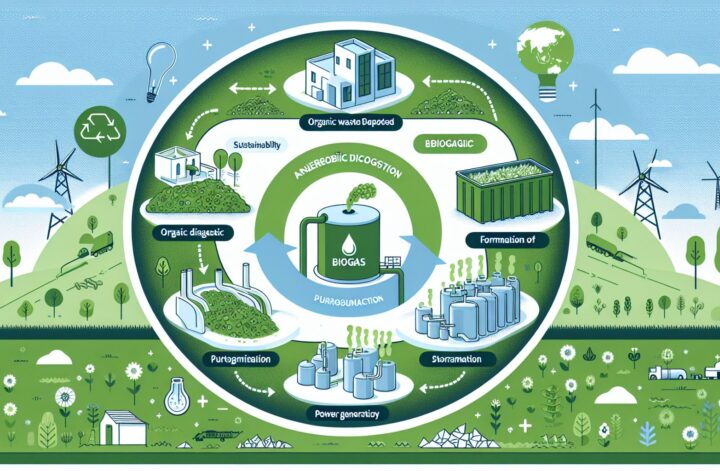
The process of biogas production involves four key biological and chemical stages: hydrolysis, acidogenesis, acetogenesis, and methanogenesis, collectively known as anaerobic digestion[^1^].
Hydrolysis
In the initial step, complex organic materials – carbohydrates, fats, and proteins – are made soluble and broken down into simpler compounds by enzymes. This process is called hydrolysis.
Acidogenesis
During acidogenesis, the soluble compounds are transformed into volatile fatty acids, ammonia, carbon dioxide, hydrogen sulfide, and other by-products.
Acetogenesis
In the third phase, volatile fatty acids are further disassembled into acetic acid, carbon dioxide, and hydrogen.
Methanogenesis
Finally, during methanogenesis, methanogenic bacteria convert acetic acid and hydrogen into methane, forming the principal component of biogas[^2^].
Biogas as a Source of Renewable Energy
The energy stored in biogas can be harnessed in several ways. One common method is combustion in a combined heat and power (CHP) plant, where biogas is burned to produce electricity and heat. CHP plants are highly efficient and make optimal use of the primary energy source. Energy can also be harvested by converting biogas into biomethane, a process known as biogas upgrading.
Biogas sources like organic waste from industries, farms, and households, and waste treatment plants are renewable since these waste products are continuously produced. Utilization of these production sites also results in the recycling of waste and reduction of harmful gas emissions, significantly contributing to climate protection.
The Role of Anaerobic Digesters
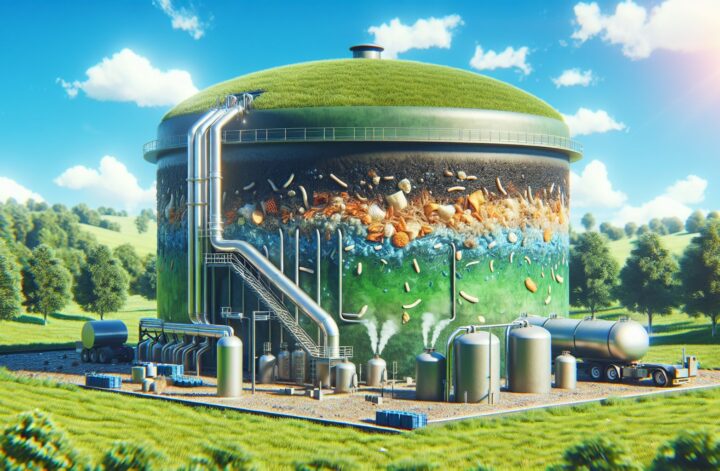
Anaerobic digestion plays a crucial role in biogas production. The process takes place in a closed system known as an anaerobic digester. Factors like the organic loading rate (OLR), hydraulic retention time (HRT), and temperature influence the efficiency of biogas production. The digesters are set up either under mesophilic conditions (20 – 40°C) or thermophilic conditions (50 – 60°C), both having their advantages and limitations[^3^].
The Benefits of Biogas Production
An Environment-Friendly Energy Source
The most significant advantage of biogas lies in its nature as a renewable energy source. It contributes to reducing global dependence on fossil fuels and decreasing greenhouse gas emissions. Biogas production is a carbon-neutral process, meaning it doesn’t add extra carbon dioxide to the environment.
Sludge Stabilization
Biogas production results in biosolids, the solid byproduct of the biogas production process. This substance is rich in nutrients and can be used as soil conditioner or fertilizer. Through sludge stabilization, biogas production contributes to sustainable farming practices.
Organic Waste Treatment
Biogas production provides an effective solution for organic waste management. It reduces the waste volume and prevents the release of harmful substances into the environment. By using organic waste as a feedstock, we can create a sustainable, circular bioeconomy where waste becomes a resource.
Methane Capture
Methane is a potent greenhouse gas, 25 times more harmful than carbon dioxide when released into the atmosphere. Biogas production harnesses methane from organic waste before it gets a chance to escape into the environment, thereby mitigating climate change.
Biogas production offers huge potential for a sustainable energy future. As we aim to gradually shift from conventional to renewable energy sources, it is vital to continue research in this area, improving and optimizing the process of biogas production for maximum benefits.
[^1^]:Anaerobic Digestion
[^2^]:Stages of Anaerobic Digestion Process
[^3^]:Design of Anaerobic Digesters