The idea of harnessing energy from organic waste sounds like something out of a science fiction book, yet it’s a reality in today’s world. One of the most popular methods of achieving this is through biogas production. With its ability to convert organic waste into renewable energy, biogas production provides an incredible solution to two major problems the world currently faces – the energy crisis and waste management. As we delve deeper into the process of biogas production and its implications, we take a step towards understanding how wastes will power the future.
What is Biogas Production?
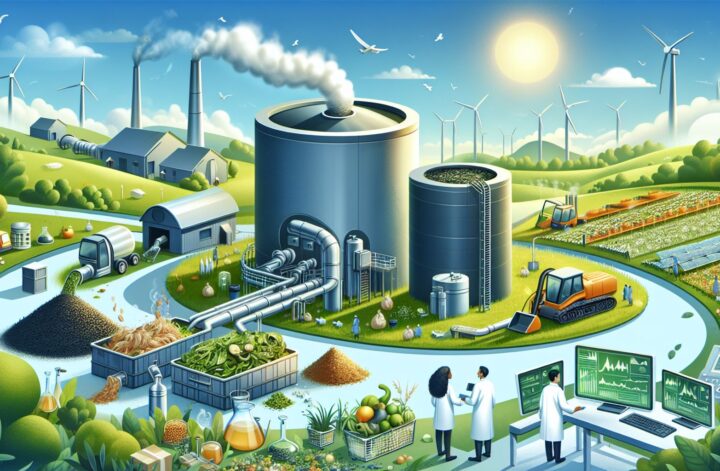
Biogas production is a process that uses organic waste as feedstock for the generation of methane, which is a significant component of natural gas. This process, also known as anaerobic digestion, provides a clean form of energy that can power homes, fuel vehicles, or generate electricity[^1^]. Additionally, the byproduct of biogas production, known as digestate, can be used as a fertiliser, adding another layer of utility to the process.
The Steps to Biogas Production
The process of biogas production involves a series of steps. These include hydrolysis, acidogenesis, acetogenesis, and methanogenesis[^2^].
-
Hydrolysis: The first stage in the process, hydrolysis, begins with breaking down the complex organic matter into simple sugars, amino acids and fatty acids.
-
Acidogenesis: In the acidogenesis phase, these simpler compounds are broken down further into volatile fatty acids and other compounds such as hydrogen, ammonia and carbon dioxide.
-
Acetogenesis: During acetogenesis, the products of acidogenesis are converted into acetate, carbon dioxide, and hydrogen.
-
Methanogenesis: The final step, methanogenesis, sees these products converted into methane and carbon dioxide by methanogenic archaea, thereby producing biogas.
The Utility of Biogas
Biogas production provides a clean and renewable source of energy. Unlike fossil fuels, it doesn’t contribute significantly to global warming and climate change. With the possibility of being captured and used for various energy needs, biogas provides a neutral carbon footprint. This is because the CO2 emitted during the combustion of biogas is taken up by the plants that will eventually become feed for the next round of biogas production[^3^].
Thermophilic digestion, a type of high-rate anaerobic digestion, can further improve the performance of the biogas plant. Applying high temperatures between 55-60°C, thermophilic digestion accelerates the digestion process and increases the yield of biogas per substrate. However, operating under these conditions requires more precise control and robust digester design.
Another emerging trend is the biogas upgrading process, which aims to refine the biogas by removing impurities. This upgraded biogas, also referred to as biomethane, can be injected directly into the gas grid, thereby offering a renewable alternative to natural gas.
Challenges in Biogas Production
Despite its benefits, biogas production still faces certain challenges. There are technical barriers such as the toxicity of the fermenting environment due to the accumulation of ammonia and sulfides. Additionally, the lack of certain trace elements can inhibit anaerobic digestion, requiring supplementation.
Managing organic loading rate (OLR) is also critical to maintaining the health and stability of the anaerobic digester. Throughout these challenges, it’s clear how important it is to understand the underlying principles and intricacies of the process.
Promise of the Future
Even though challenges exist, the potential advantages of biogas production are undeniable. With promising advancements in anaerobic digestion technology and a greater focus on renewable energy resources, the future for biogas production looks bright. Aside from its environmental benefits, the biogas industry can also create job opportunities, promote sustainable agriculture, and contribute to local economies.
In conclusion, biogas production, with its multiple utilities, offers a solution for global energy and waste management challenges. Thus, it serves as an important cornerstone in the path towards a sustainable future.
[^1^]: U.S. Energy Information Administration (EIA). “Use of electricity”. https://www.eia.gov/energyexplained/use-of-electricity/
[^2^]: Amigun B, Sigamoney R, von Blottnitz H. “Commercialisation of biofuel industry in Africa: A review”. Renewable and Sustainable Energy Reviews. 2008;12(3):690-711. doi:10.1016/j.rser.2006.10.019
[^3^]: Sturm BS, Lamer SL. “An energy evaluation of coupling nutrient removal from wastewater with the hydrothermal liquefaction of microalgae”. Bioresource technology. 2011;102(10):5779-5786. doi:10.1016/j.biortech.2011.02.058