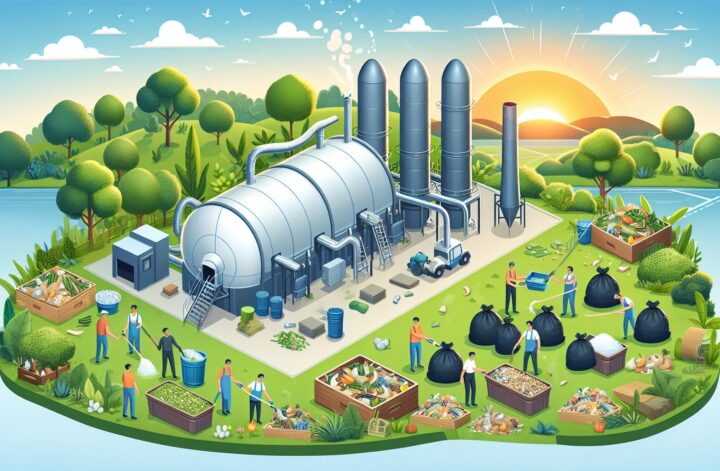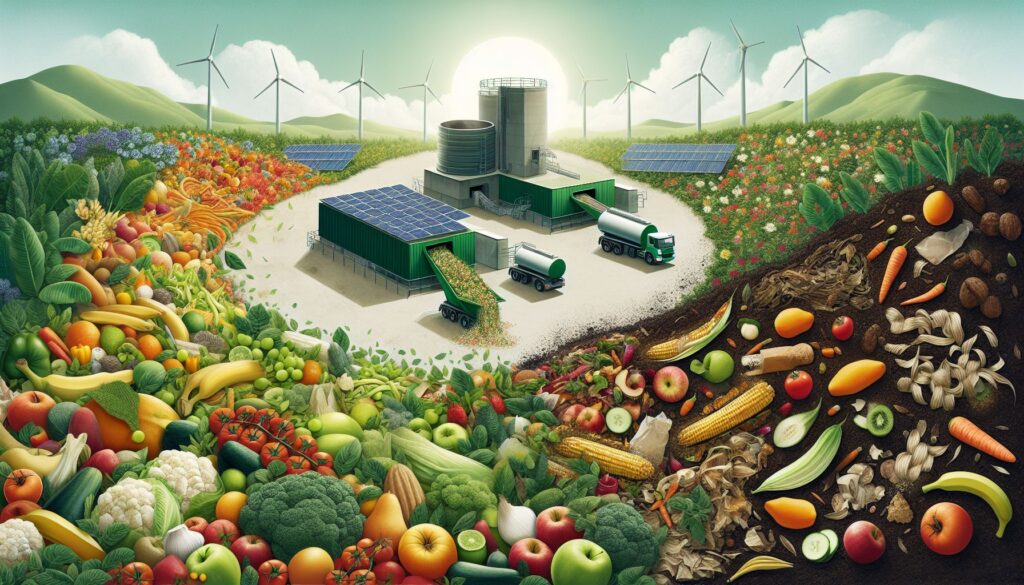
In an increasingly environmentally-conscious world, the search for sustainable and renewable sources of energy is a crucial part of the conversation around climate change and reducing our carbon footprint. One promising solution lies in organic waste treatment. The process is not only a significant step forward towards sustainability, but it also aids in waste management. With several countries producing millions of tons of organic waste each year[^1^], the potential for harnessing this resource is immense. This article will delve into the various intricacies of organic waste treatment, the science behind the process, and the potential impacts on our future.
What is Organic Waste Treatment?
Organic waste treatment refers to the processes used to recycle organic waste material, like plant or food waste, into useful products, energy, heat, or soil conditioners. The treatment reduces the volume of waste that needs landfill disposal and allows the recycling and reuse of its organic content.
The Science Behind Organic Waste Treatment
The organic waste treatment process typically involves the decomposition of organic matter in an environment with low or no oxygen, a method known as anaerobic digestion. The sequence of stages involved in the process are as follows:
- Hydrolysis: The organic material breaks down into smaller parts.
- Acidogenesis: These small particles then transform into fatty acids.
- Acetogenesis: The fatty acids convert into acetic acid, carbon dioxide, and hydrogen.
- Methanogenesis: Finally, the acetic acid converts into methane and carbon dioxide[^2^].
The methane produced during this process is a valuable resource that can be used as an energy source, highlighting the dual benefits of organic waste treatment: waste reduction and renewable energy production.
The Products of Organic Waste Treatment
There are several products generated through organic waste treatment, some of which include:
- Biogas: This is primarily composed of methane and carbon dioxide and can be used as a source of renewable energy.
- Digestate: A nutrient-rich substance that can be used as a soil conditioner or fertilizer.
- Biosolids: A byproduct of sewage treatment, these can be used to improve soil structure and fertility[^3^].
The Environmental Impacts
Organic waste treatment significantly contributes to reducing greenhouse gases emissions, notably methane, which is 28 times more potent than carbon dioxide at trapping heat in the atmosphere[^1^]. By capturing and using methane as a renewable energy source, the process helps mitigate global warming.
Moreover, by optimizing organic waste’s potential, it reduces the need for landfills, thereby helping to preserve land resources. It also minimizes the contamination of soil, air, and water, providing a healthier and safer environment.
The Challenges Ahead
While organic waste treatment offers numerous benefits, it is not without challenges. One such challenge is the potential toxicity of ammonia and sulfides, which can inhibit the anaerobic digestion process. Overcoming these issues requires careful monitoring and adjustments to the process.
Moreover, the successful implementation of organic waste treatment requires robust infrastructure, including proper waste segregation facilities, treatment plants, and trained personnel. These call for considerable investment and a commitment towards sustainability.
The Future of Organic Waste Treatment
The adoption and development of organic waste treatment technologies represent a significant shift towards a sustainable and renewable future. With continued research and advancement, organic waste treatment may indeed become a central player in the energy market.
Through the conversion of waste into value-added products and the reduction of greenhouse gas emissions, the implementation of organic waste treatment facilities can contribute to both the energy industry and environmental conservation.
In conclusion, organic waste treatment offers an effective, sustainable method to deal with our increased waste production while also producing valuable resources. These benefits alone highlight the potential and the importance of organic waste treatment as a cornerstone of our sustainable future.
[^1^]: “Organic Waste Management.” Environmental Services, City of San Diego, www.sandiego.gov/environmental-services/recycling/residential/organic.
[^2^]: “Anaerobic Digestion.” Bioenergy Association of New Zealand, www.bioenergy.org.nz/anaerobic-digestion.
[^3^]: “Waste Treatment and Disposal.” The Zero Waste Network, www.zerowaste.org.za/individuals-home/waste-treatment-and-disposal.