Rapid urbanization comes with several byproducts, one of the most significant being the increase in organic waste. In developed countries like the U.S. alone, it’s estimated that organic waste comprises about 30% of household rubbish[^1^]. In agricultural areas and developing countries, this proportion is even higher. These statistics paint a disturbing picture of an environmental crisis, but what if we viewed it as a potential goldmine? Focusing our energy on organic waste treatment brings forth a wealth of opportunities in energy production, pollution mitigation, and soil fertility enhancement. In this article, we explore the potential of organic waste treatment, its operational principles, and the benefits that arise when we correctly harness these processes.
The Concept of Organic Waste Treatment
Organic waste treatment involves the conversion of organic waste materials (like food scraps, garden waste, and agricultural waste) into valuable resources. The most common treatment process includes composting, but the more technologically advanced method – which forms the basis of our discussion – is anaerobic digestion[^2^].
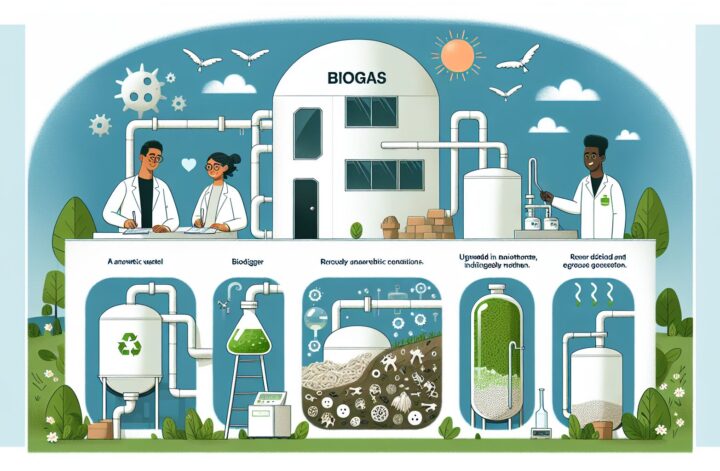
Anaerobic digestion is an organic waste treatment process that involves digesting biomass in an oxygen-free environment through a series of biological stages. These stages primarily include hydrolysis, acidogenesis, acetogenesis, and methanogenesis[^3^]. The end products of anaerobic digestion are biogas, a combination of methane and carbon dioxide, and a solid residue known as digestate.
The Operational Principles
-
Hydrolysis: This is the first step, and it involves the breaking down of large insoluble organic solids into soluble particles. Microorganisms discharge enzymes that decompose complex carbohydrates, proteins, and lipids in the organic waste.
-
Acidogenesis: The soluble organic particles are then converted into volatile fatty acids and alcohols.
-
Acetogenesis: The volatile fatty acids and alcohol products are transformed by acetogenic bacteria into acetic acid, together with carbon dioxide and hydrogen.
-
Methanogenesis: Methanogens (a group of microorganisms) ingest the products of the previous stages to produce methane gas and carbon dioxide[^3^].
Benefits of Organic Waste Treatment
Energy Production
The energy we extract from organic waste treatment is biogas – a mixture of methane (~60%), carbon dioxide (~40%), and trace amounts of other gases like hydrogen sulfide and nitrogen. Through a process known as biogas upgrading, this gas can be refined by removing impurities and increasing its methane content. Consequently, it becomes biomethane, suitable for local combustion or injection to the national gas grid[^4^]. This renewable source of energy can replace conventional fossil fuels like coal, thereby minimizing greenhouse gas emissions and reducing global warming.
Pollution Mitigation
By transforming organic waste into valuable resources, we reduce the need for landfills, which are regularly associated with pollutions like leachate seeping into water bodies, dangerous greenhouse gases releases, and unpleasant smells. The digestate, a byproduct of the digestion process, is also a valuable material that can be used as a soil improver or fertilizer. Therefore, there’s no waste in organic waste treatment.
Economic Benefits
Aside from the cost-savings from the replacement of fossil fuels with biogas, organic waste treatment brings in economic benefits in the form of job creation. Given the required process includes steps like waste collection, sorting, transportation, treatment, and biogas generation, new opportunities for employment arise.
Future Considerations
As promising as organic waste treatment may be, several factors need to be considered for it to reach its full potential. Machinery used in anaerobic digestion, such as digesters, must be designed to meet site-specific conditions of waste properties and energy needs. Other factors include the toxicity of certain substances like ammonia and sulfide, inhibition of digestion, trace element supplementation, and the understanding of microbiology involved in anaerobic digestion.
Organic waste treatment holds immense potential for our future if we can fully harness this resource. It reminds us of an important lesson: There’s no such thing as waste in nature, only unutilized resources. If we can mimic these principles in our society, we’ll be a step closer to a sustainable and self-sufficient world.
Sources
[^1^]: “Table 1: Generation of Municipal Solid Waste in The U.S. (1960-2017).” EPA, Environmental Protection Agency, https://www.epa.gov/facts-and-figures-about-materials-waste-and-recycling/national-overview-facts-and-figures-materials
[^2^]: “Composting Basics.” EPA, Environmental Protection Agency, https://www.epa.gov/recycle/composting-home
[^3^]: Batstone DJ. “Anaerobic Digestion and Agriculture: A Natural Partnership.” Advances in Agronomy, The Australian Water Project, 2012, pages 83-121. https://www.elsevier.com/books/advances-in-agronomy/sparks/978-0-12-394277-7
[^4^]: “Biogas Upgrading.” EnviTec Biogas AG, 2018, https://www.envitec-biogas.com/technology/biogas-upgrading/