Introduction
Global concern over the negative impacts of climate change backed by alarming scientific evidence has propelled renewable energy into the spotlight, leading to the exploration of various green alternatives. One such alternative energy source is biogas – a cost-effective, renewable source produced through the anaerobic digestion of organic waste. In the context of a growing global population and expanding economies, renewable energy sources like biogas are more relevant than ever. This article focuses on understanding the function, importance, and future of biogas production, shedding light on how this overlooked source of power could be crucial for achieving sustainable global energy.
Understanding Biogas Production
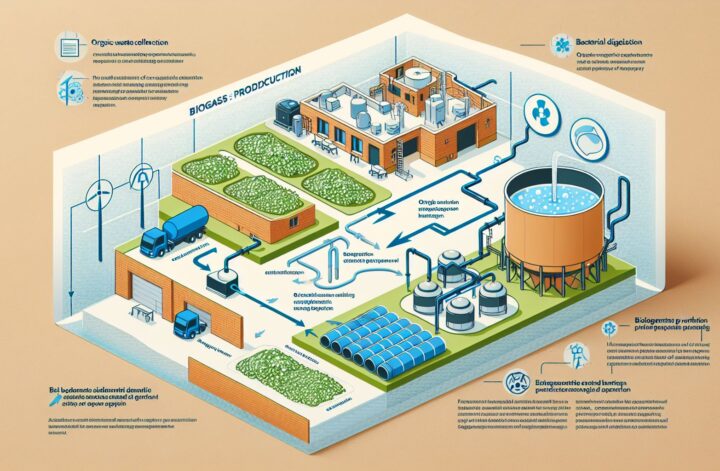
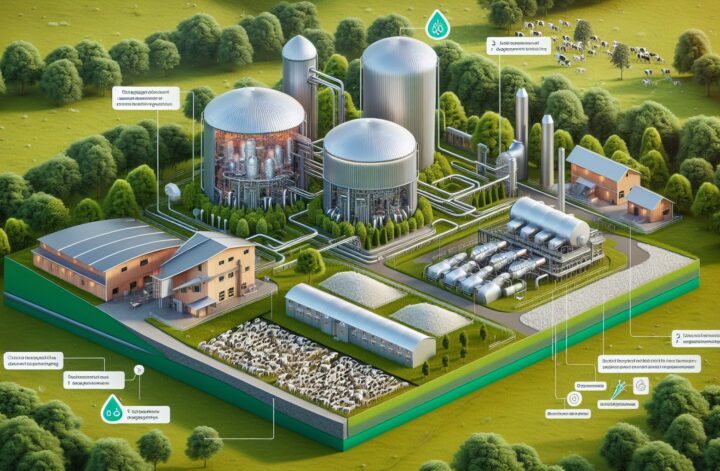
Biogas is a type of biofuel that is naturally produced from the decomposition of organic waste. This process occurs in closed systems, such as an anaerobic digester or covered lagoon. To break it down, a diverse community of microbes break down organic matter in a controlled, oxygen-free environment[^1^]. The biogas produced primarily consists of methane (50-75%), carbon dioxide (25-50%), and small amounts of other gases, including hydrogen, carbon monoxide, and nitrogen[^2^].
Importance of Biogas
As a renewable energy source, biogas has several advantages. Its use reduces the reliance on finite fossil fuels, which, when burned, release huge amounts of carbon dioxide into the atmosphere exacerbating global warming. Biogas production also leads to waste management by sustainably disposing of organic waste and manure. It also assists in soil fertility when the byproduct of anaerobic digestion – digestate – is used as a natural fertilizer[^3^].
Steps Involved in Biogas Production
The process of transforming organic waste material into biogas and digestate involves various stages.
-
Hydrolysis: Bacterium breaks down complex organic materials into simple sugar, amino acids, and fatty acids.
-
Acidogenesis and acetogenesis: Through these stages, acid-forming bacteria convert the sugars and acids into carbon dioxide, hydrogen, ammonia, and organic acids.
-
Methanogenesis: Methane-producing bacteria convert these products into methane, carbon dioxide, and water[^1^].
Future of Biogas Production
The future of biogas is bright. Research now focuses on improving the efficiency, cost-effectiveness, and environmental impact of biogas production. This includes exploring the use of different types of feedstocks, modifying the conditions under which methanogenesis occurs, and improving biogas scrubbing to enhance the purity of the gas produced[^4^].
Conclusion
In conclusion, biogas production shows vast potential for a sustainable future. By effectively recycling organic waste and producing energy, we are taking a significant step towards energy self-sufficiency and environmental sustainability. As the consequences of climate change become increasingly evident, it is essential that we continue to explore and invest in renewable energy sources like biogas.
Sources
[^1^]: What is Biogas? An Introduction to Biogas Production, BiogasWorld
[^2^]: Introduction to Biogas and Anaerobic Digestion, Biomass Energy Centre
[^3^]: Renewable energy coming from biogas, The Conversation
[^4^]: Biogas Production in Perspective: Future Trends, ResearchGate