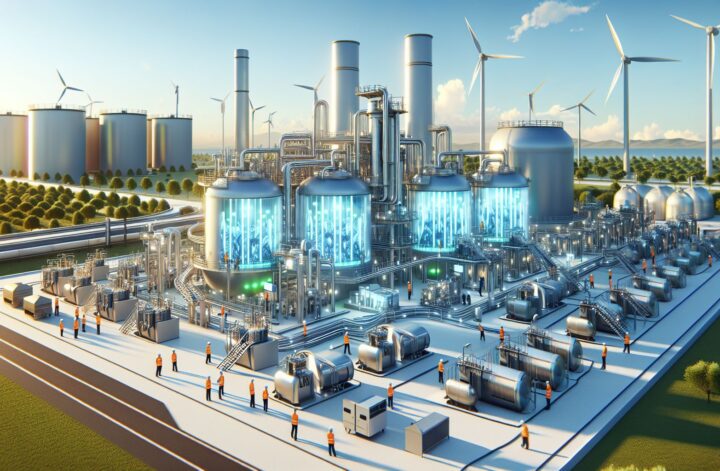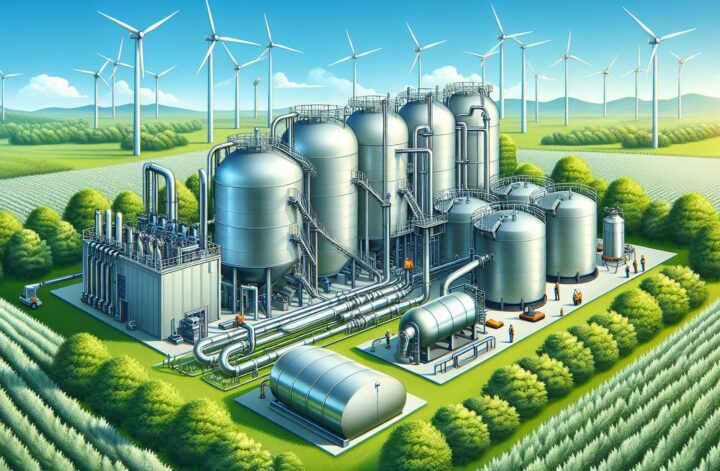
The human race is at a critical juncture, with the ominous threat of depleting non-renewable energy resources looming large. Amid this crisis, the focus is shifting towards green technologies and renewable energy sources. One solution to alleviate this crisis is biogas production, a product of anaerobic digestion and regarded as an excellent alternative to traditional fossil fuels. This article delves into biogas production, its advantages, the process involved, and its contribution to renewable energy.
This article will explore the following areas related to Biogas Production:
- What is Biogas?
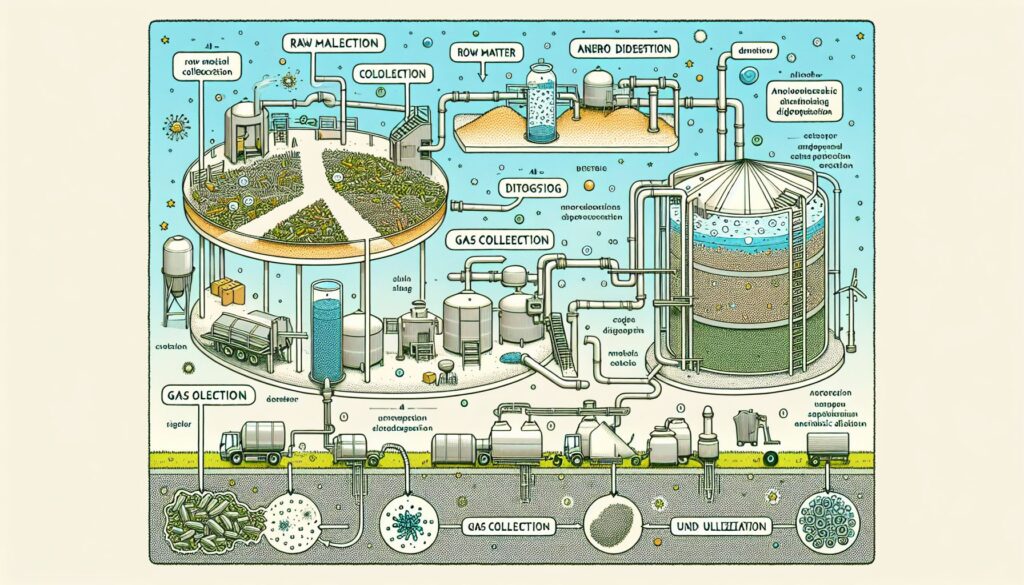
- Process of Biogas Production
- Biogas as a Renewable Energy Source
- Advantages of Biogas.
What is Biogas?
Biogas is a type of biofuel produced from the decomposition of organic material by bacteria sans oxygen, a process known as anaerobic digestion^1^. It primarily comprises methane (CH4), carbon dioxide (CO2), and trace amounts of other gases. The biogas produced can be used as a renewable energy source to generate electricity, heat, and fuel.
Process of Biogas Production
Let’s traverse through the intricate process of biogas production, comprising several stages:
Hydrolysis
The initial stage of biogas production involves liquefying complex organic materials and converting long-chain molecules into simple, soluble molecules. This conversion is achieved by hydrolytic bacteria that produce enzymes enabling these transformations^2^.
Acidogenesis
In the ensuing stage, acidogenic bacteria convert simpler molecules into volatile fatty acids, alcohols, CO2, and hydrogen. Acidogenesis is an essential step in preparing for the final stages of biogas production.
Acetogenesis
During acetogenesis, acetogenic bacteria convert intermediate products from acidogenesis into acetic acid, CO2, and hydrogen^2^. These are the primary substrates for the production of methane in the final phase, methanogenesis.
Methanogenesis
In methanogenesis, methanogens (methane-producing microbes) transform acetic acid and CO2 into methane and water^3^. It is in this phase that biogas is produced.
Throughout the process, the conditions within the anaerobic digester must be maintained for the bacteria to work effectively. Variables such as the pH, temperature, and retention time of the sludge in the digester are crucial.
Biogas as a Renewable Energy Source
While traditional sources deplete over time, renewable energy sources can be replenished. Biogas, as a renewable source, possesses multiple environmental benefits:
-
Greenhouse Gas Emissions: By capturing methane emissions, biogas production reduces the impact of global warming^3^.
-
Waste Management: It promotes the efficient management and treatment of organic waste, alleviating pollution levels.
-
Energy Production: Biogas can substitute conventional fossil fuels for heat and power generation, vehicular fuel, and other purposes, minimizing our carbon footprint.
-
Circular Economy: It contributes to a circular economy by turning waste into a valuable resource.
Advantages of Biogas
-
Environmental Sustainability: Biogas reduces reliance on damaging fossil fuels, contributing to environmental sustainability.
-
Economic Benefits: By converting waste materials into usable energy, we can reduce waste disposal costs and generate revenue through the sale of biogas-produced energy.
-
Versatility: It’s a versatile energy source that can be used for a range of applications from cooking to power generation.
Conclusion
Biogas production emerges as a forward-thinking and environmentally friendly solution to our energy crisis. It not only promotes sustainable energy consumption but also impacts waste management positively. If implemented widely and efficiently, biogas could play a significant role in our quest for renewable energy.
References
^1^: “What is Biogas? A Beginners Guide”. Rezatec. April 21, 2020. Link
^2^: “Anaerobic Digestion (AD) Process”. Agricultural Sustainability Institute at UC Davis. Link
^3^: “Methane Capture: Waste to Energy”. Environmental and Energy Study Institute. March 1, 2011. Link