In the wake of heightened calls to slow down the global warming trend, scientists, environmentalists, and policymakers alike are aiming to understand, harness, and effectively utilize various resources to stem the tide. Methane is one such resource that has generated increased interest in the topic of greenhouse gas reduction. A potent greenhouse gas, when released into the atmosphere, methane warms the planet more than 20 times[¹] as much as the same mass of carbon dioxide over a 100-year period. However, if captured and used correctly, methane is a powerful ally in the fight against climate change. This article delves into the essentials of methane capture, its opportunities, challenges and potential for profound environmental impact.
What is Methane Capture?
Methane capture, also known as methane recovery, is the process of capturing and containing methane, a potent greenhouse gas, to prevent its release into the atmosphere. The process involves the collection of methane produced during organic breakdown processes in places like landfills and large farms, where organic waste is plentiful.
Landfills are the third-largest source of methane emissions in the United States[²]. Rather than allowing this methane to escape into the atmosphere, landfill gas energy projects collect, process and use the gas for energy purposes.
The Process of Methane Capture
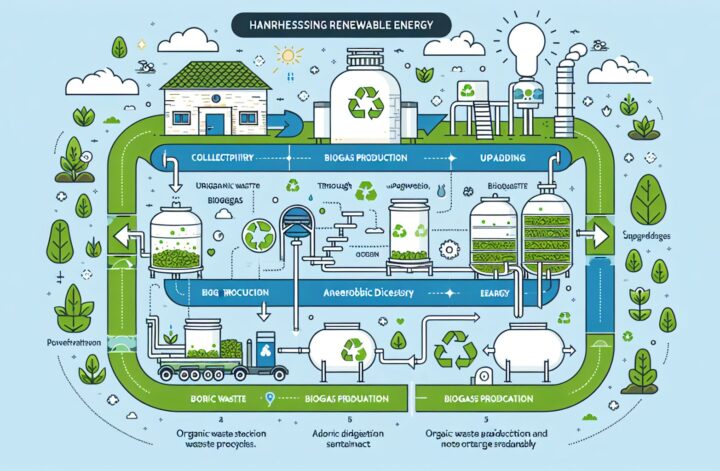
Methane capture occurs in energy production sites such as biogas plants. These facilities use anaerobic digestion, a biochemical process that breaks down organic material in the absence of oxygen, to produce biogas comprising of methane and carbon dioxide. The methane is separated from the other gases and other compounds to increase its concentration – a process known as biogas upgrading.
The separated methane is then purified, compressed and injected into gas distribution networks or used locally for electricity and heat generation in a combined heat and power (CHP) process – making it a key player in the renewable energy sector.
Advantages of Methane Capture
Methane capture and use offer a multiplicity of benefits.
-
Reduction of greenhouse gas emissions. The fundamental aim of capturing methane is to hinder its release into the atmosphere, thus reducing its contribution to climate change[³].
-
Generation of renewable energy. Methane is a powerful source of energy. When combusted, it produces heat and electricity without emitting sulphur dioxide or mercury pollutants.
-
Improvement of local air quality. The process of capturing methane also involves the collection and disposal of volatile organic compounds associated with unpleasant odors and air pollution at source sites.
-
Economic benefits. Methane capture projects create local jobs, generate revenue from the selling of the captured methane and reduce dependence on non-renewable energy sources.
Challenges in Methane Capture
Despite the clear benefits of methane capture, the process is not without its challenges.
-
Technical difficulties. The process is complex and requires significant technical expertise and investment in infrastructure.
-
Variability in gas composition. Fluctuation in the gas composition means it can be challenging to ensure the methane captured is of sufficient quality for effective use.
-
Regulatory hurdles. In some areas, outdated regulations and restrictions can limit the implementation of methane capture technologies and methodologies.
-
Financial considerations. Although capturing methane can be profitable in the long run, the initial costs of setting up a methane capture process can be substantial.
Despite these challenges, methane capture remains a decidedly significant arrow in the quiver of strategies aimed at mitigically climate change. It is a beacon of integrated solutions that honor the delicate balance between human development and environment sustain. It is the embodiment of a true conservation principle – transforming perceived waste to viable wealth.
Summing Up
Undoubtedly, methane capture offers a promising route for greenhouse gas reduction and renewable energy production. The smart harnessing, use, and management of methane is vital for environmental sustainability, energy independence, and economic stability. Methane capture therefore represents a tantalizing intersection of economic growth and environmental stewardship, pointing the way forward toward a future that is both green and bright.