As the world increasingly grapples with the adverse effects of climate change, the focus more than ever, is on effective methods of renewable energy production. One such method, proving increasingly popular and useful in tackling these issues, is biogas production, an innovative engineering feat that offers a promising start to creating a more sustainable future.
This article delves into the process of biogas production, its potential benefits, and how it could potentially support global shift towards cleaner, sustainable energy solutions.
Introduction to Biogas Production
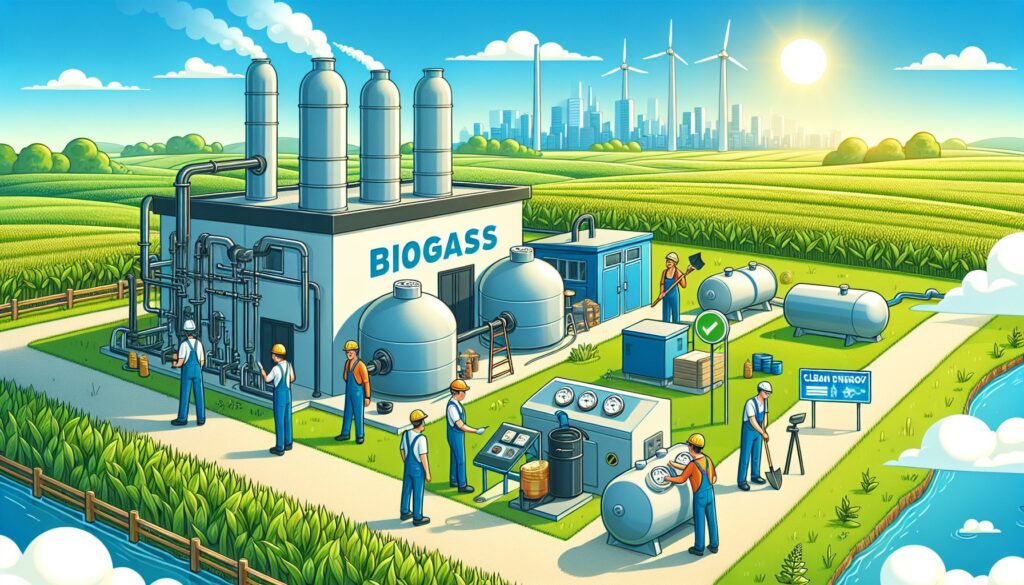
Biogas production primarily involves the biological decomposition of organic waste materials via anaerobic digestion – digestion in the absence of oxygen – yielding an energy-rich gas composed of methane, carbon dioxide and trace elements[^1^].

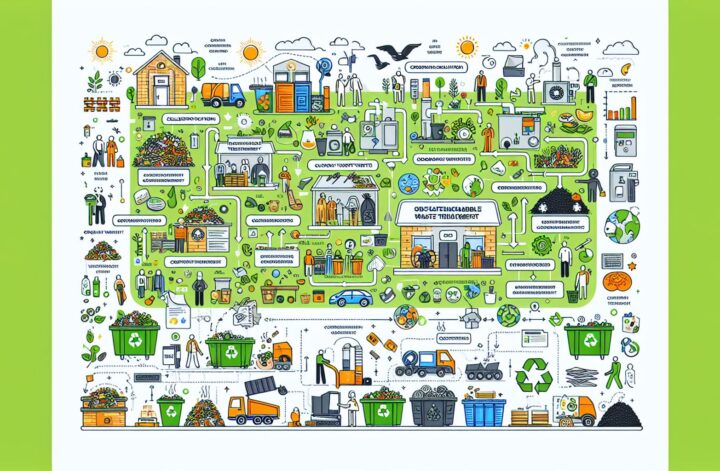
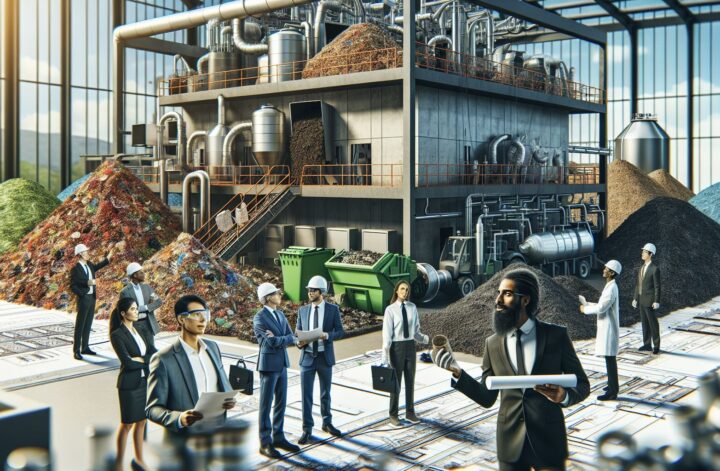
Biogas production utilizes various types of organic waste such as agricultural waste, food waste, green waste, and sewage sludge. Thus, it not only aids in efficient waste management but also produces valuable biogas that can be used for heating, electricity generation, and as a fuel source for transportation[^2^].
The Science of Biogas Production
The science behind biogas production revolves around a multi-step process generally divided into four stages – hydrolysis, acidogenesis, acetogenesis, and methanogenesis[^3^].
In hydrolysis, complex organic compounds are broken down into simpler soluble molecules. Following this, suitably conditioned bacteria then convert the simpler molecules into volatile fatty acids and alcohol during acidogenesis. In acetogenesis, the resulting products are further converted into hydrogen, carbon dioxide, and acetate. Finally, during methanogenesis, different groups of micro-organisms convert these products into methane and carbon dioxide, the main components of biogas.

Potential Benefits of Biogas Production
1. Renewable Energy Source: Biogas is a renewable and reliable source of energy. Unlike fossil fuels, it does not contribute to the global stock of greenhouse gases, making it an eco-friendlier alternative.
2. Waste Management: Biogas production offers an excellent solution to waste disposal, by turning organic waste into a valuable resource. This could significantly reduce pollution levels whilst also ensuring economic utilization of unwanted waste materials.
3. Economic Advantages: The biogas generated can be used in a number of applications providing multiple advantanges like heat and electricity generation, car fuels and the end product after digestion known as digestate, can be used as organic fertilizers.
4. Reducing Deforestation: The use of biogas as a source of fuel could potentially reduce the demand for firewood and charcoal, thus aiding deforestation prevention efforts.
5. Enhancing Livelihoods: Biogas production can sustainably improve livelihoods, particularly in remote and rural communities, through job creation and improved energy access.

The Future of Biogas Production
With advancements in science and technology, along with increasing awareness about the detrimental impacts of climate change, the potential for biogas production looks promising. Its widespread adoption could alleviate dependence on fossil fuels whilst also offering a sustainable solution for organic waste handling.
There is, however, a need for substantial investment, research, and awareness creation, particularly among emerging economies, for its potential to be fully realized. As such, policy decisions should be aimed at enhancing the knowledge, accessibility, and affordability of these technologies.
In conclusion, biogas production represents a win-win solution for the conundrum of renewable energy production and waste management. As we continue to combat the adverse effects of climate change, it is imperative that we explore and embrace such solutions.
References
[^1^]: Biogas: A Significant Contribution to Decentralised Heat and Power Production
[^2^]: Biogas: Developments and Perspectives in Europe
[^3^]: A technoeconomic review on biogas production from lignocellulosic biomass