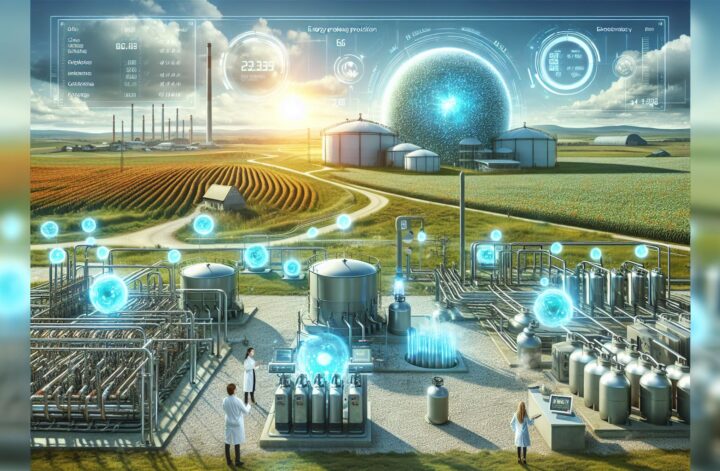
Contemporary society is faced with the increasing challenge of managing waste, particularly sludge waste from municipal, industrial and agricultural sources. Among the different technologies and methods developed to manage these wastes, sludge stabilization has proven to be particularly effective. This article provides an in-depth exploration of sludge stabilization, detailing what it is, how it functions, its benefits, and its critical role in waste treatment.
Introduction
Sludge stabilization, or simply, stabilization, is a process used in the treatment of sludge, more specifically, in the transformation of raw, untreated sludge into a product that is safe and suitable for ultimate disposal or beneficial reuse. It primarily involves reducing the overall volatile solids content, eliminating pathogenic organisms, and minimizing the potential for odors[^1^].
This technique plays an essential role in the larger processes of municipal solid waste treatment and wastewater treatment, sidestepping the issues of pollution and the risks associated with untreated sludge.
Sludge Stabilization: A Close Look at The Process
At the heart of sludge stabilization are two primary objectives: to minimize the potential for putrefaction and to reduce the number of disease-causing organisms.
-
Minimizing Putrefaction: This is primarily achieved by decreasing the organic matter in the sludge. This process, known as volatile solids reduction, is achieved by creating conditions for the decomposition of organic matter.
-
Pathogen Destruction: This is directly related to the safety of the resulting sludge. Disease-causing agents (pathogens) present in the untreated sludge are effectively destroyed via treatment processes such as composting, anaerobic digestion, heat treatment, and lime stabilization, among others[^2^].
Sludge stabilization utilizes various methods to achieve these goals, including anaerobic digestion, aerobic digestion, autothermal thermophilic aerobic digestion (ATAD), composting, lime stabilization, and heat drying. The choice of specific technology or combination is generally governed by factors such as sludge volume, composition, goal of treatment, regulatory standards, and cost-effectiveness.
Benefits of Sludge Stabilization
Sludge stabilization, in addition to providing a practical solution to the issue of handling and disposing of sludge, offers numerous benefits, including:
-
Reduction in Sludge Volume: Stabilization processes reduce the overall volume of sludge considerably, making subsequent steps of sludge management, such as dewatering and disposal, much easier and more cost-efficient[^3^].
-
Pathogen Destruction: Stabilization processes effectively kill pathogens, ensuring that the final stabilized sludge is safe for disposal or application.
-
Production of Bioenergy: Some stabilization processes, like anaerobic digestion, not only stabilize the sludge but also produce biogas, a renewable energy source.
-
Odor Control: Stabilization helps to minimize any unpleasant odors associated with sludge, making handling and disposal more manageable.
-
Creation of Valuable Byproducts: Stabilized sludge can be processed further into compost or used directly as soil conditioner or fertilizer, thereby recycling nutrients back into the ecosystem.
Sludge Stabilization: A Crucial Element in Waste Treatment
With the escalating global waste production and the ensuing demands on waste management, the role of sludge stabilization has become increasingly critical. It plays an integral part in ensuring the safe and effective treatment of sludge, contributing to the broader goals of environmental sustainability, public health protection, and bioresource recovery.
Importantly, advances in technology and greater understanding of the microbiological processes involved in stabilization have further enhanced the effectiveness and efficiency of this process, making it an essential tool in the arsenal of modern waste management strategies.
Conclusion
As the world continues to grapple with mounting waste challenges, the need for efficient, beneficial, and environment-friendly waste treatment methods has never been more pressing. Sludge stabilization, with its proven efficiency and multiple benefits, stands as one of the essential processes in waste management systems. By integrating sludge stabilization into our waste treatment strategies, society can make decisive strides towards managing sludge waste more sustainably and extracting maximum value from these wastes.
References
[^1^]: Metcalf & Eddy. (2014). Wastewater Engineering: Treatment and Reuse. Metcalf & Eddy Inc.
[^2^]: TWDB. (2019, April). Sludge Stabilization. Texas Water Development Board.
[^3^]: US EPA. (2018). Sludge Treatment and Disposal. Environmental Protection Agency.