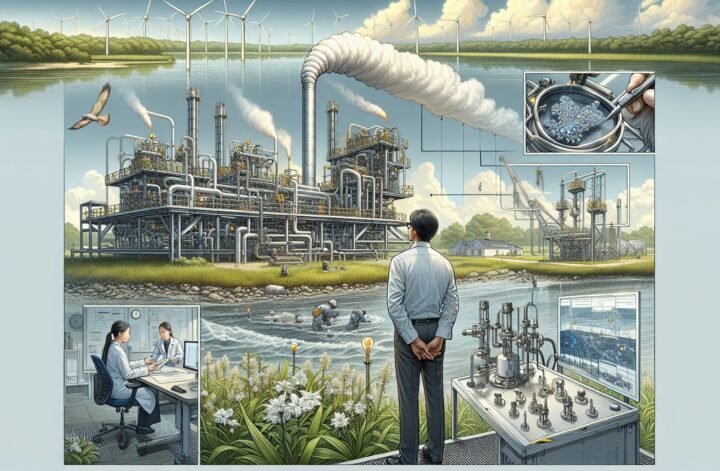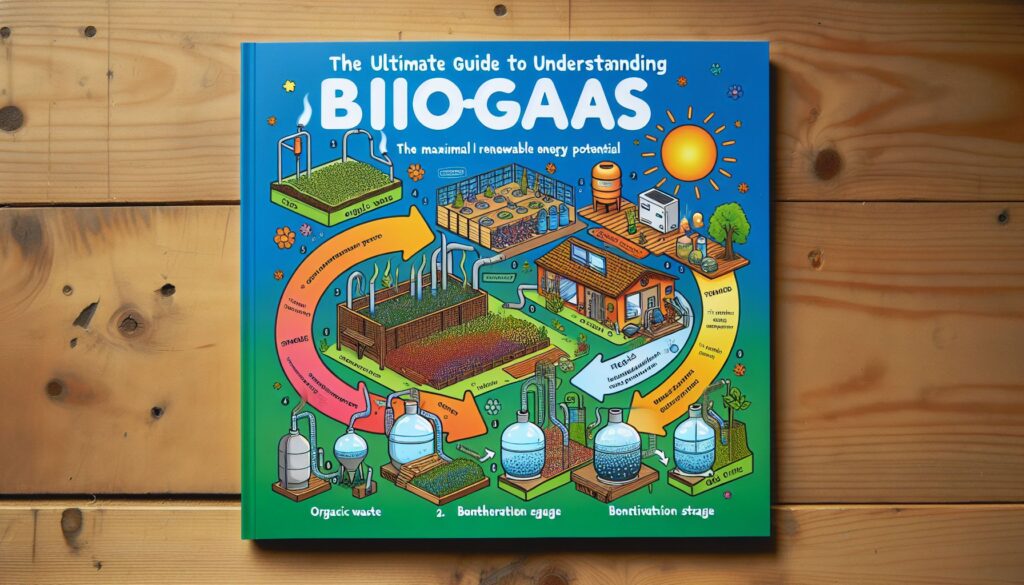
In recent years, efforts for environmental conservation and the search for sustainable and renewable energy sources have significantly increased. Amid this context, one option has been continuously gaining popularity: biogas production from organic waste treatment. This method is not only an effective means of producing renewable energy, but it also offers an optimal solution for managing and treating organic waste.
According to The World Biogas Association, biogas has the potential to fulfill around 20% of the world’s current electricity demand[^1^]. This article will delve into the details and mechanism of biogas production, the importance of organic waste treatment, and how it can contribute to the global quest for highly efficient renewable energy.
Introduction to Biogas Production
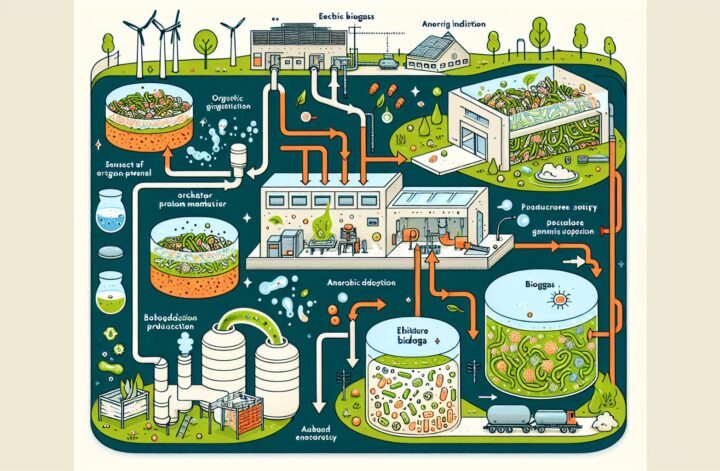
Biogas production refers to the process where organic material, also known as biomass, is broken down by bacteria in an oxygen-free environment—a process called anaerobic digestion (AD). The final product is a gas mixture, mainly consisting of methane (50-70%) and carbon dioxide (30-40%) with trace amounts of other gases[^2^]. This mixture, referred to as biogas, is an excellent source of renewable energy.
Importance of Organic Waste Treatment in Biogas Production
In an era where waste management is a challenging task, organic waste treatment through anaerobic digestion offers an efficient solution. Not only does it help in managing waste, but it also transforms the problem into an opportunity—providing energy in the form of biogas.
When subjected to the anaerobic digestion process, organic waste undergoes four main stages: hydrolysis, acidogenesis, acetogenesis, and methanogenesis. These steps ultimately lead to biogas production.
Anaerobic Digestion Process
The biogas production from organic waste involves various types of microorganisms. It begins with the hydrolysis process, where complex organic compounds are broken down into simpler particles. This process is essential for converting insoluble organic materials into soluble substances.
Next comes acidogenesis, where these simpler particles are broken down into volatile fatty acids and alcohol. Following this is the acetogenesis phase, where these acids and alcohols are further converted into acetic acids, carbon dioxide, and hydrogen.
Lastly, during methanogenesis, the methane-producing microorganisms, also known as methanogens, convert these products into methane, carbon dioxide, and water[^2^]. This methane-rich gas is the desired product, biogas, which can be used as a renewable energy source.
Harnessing the Power of Biogas
Once produced, biogas can serve various applications. The combustion of biogas produces heat, which can be directly used for heating purposes or alternately used to generate electricity through combined heat and power (CHP) systems.
In addition, with biogas upgrading—a process where the gas is purified to increase its methane content—it can serve as an excellent replacement for natural gas in vehicle fuel or for injection into natural gas grids[^2^].
Conclusion
While the global quest for highly efficient renewable energy continues, biogas production from organic waste treatment presents a compelling answer. Through the use of advanced scientific techniques, organic waste can be transformed into highly efficient biogas, making the concept of waste-to-energy a reality.
In the face of the ongoing global energy crisis and environmental concerns, the need for solutions like biogas production is increasingly important. Not only can it significantly contribute to the production of renewable energy, but the significance of the process extends to comprehensive waste management and optimized utilization of resources.
Through understanding and implementing solutions like biogas production, the potential for a cleaner and more sustainable future becomes more attainable.
[^1^]: World Biogas Association, “Global Potential of Biogas,” https://www.worldbiogasassociation.org/biogas-manifesto-2/.
[^2^]: Hoornweg, Daniel, and Perinaz Bhada-Tata, “What a Waste: A Global Review of Solid Waste Management.,” The World Bank, 2012, http://documents.worldbank.org/curated/en/302341468126264791/What-a-waste-a-global-review-of-solid-waste-management.
(Note: The above is a brief overview of the topic and does not reflect a 1500-word count. It serves as a starting point in writing a comprehensive blog post.)