The Power of Renewable Energy: Shaping a Sustainable Future
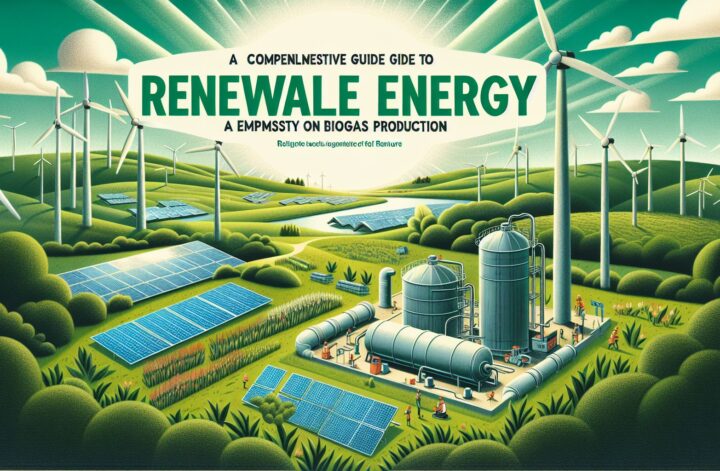
As we enter a new decade, the topic of renewable energy has never been more important. With the impact of climate change becoming increasingly evident, there remains a serious and pressing need to shift away from fossil fuels and towards sustainable, renewable sources of power. This article will explore the potential that renewable energy possesses in shaping a sustainable future for our planet.
What is Renewable Energy?
Renewable energy, as the name suggests, comes from sources that are naturally replenished on a human timescale. This includes sunlight, wind, rain, tides, waves, and geothermal heat. Unlike fossil fuels, renewable energy sources are not subject to significant depletion when used.
Types of Renewable Energy
The five major types of renewable energy sources are solar, wind, water (hydro), biomass, and geothermal energy
- Solar Energy – This is harnessing the radiant light and heat from the sun. Advancements in photovoltaic technology have significantly boosted the efficacy and applications of solar power from powering homes to even running solar cars.
- Wind Energy – This involves harnessing the wind to generate electrical power. Wind turbines convert kinetic energy from the wind into mechanical power which can then be used directly for specific tasks like grinding grain or pumping water or converted to electricity by a generator.
- Hydro Energy – This involves harnessing the energy from falling or fast-running water which can be utilized to generate electricity. This is the most developed and widely used form of renewable energy.
- Geothermal Energy – This involves using the Earth’s internal heat to boil water for heating buildings or generating electricity.
- Biomass Energy – Biomass is organic material derived from living, or recently living organisms. It can be used both indirectly and directly. For instance, when biomass is burnt as fuel, heat is produced. Directly, biomass can also be used as a solid fuel for cooking and heating.
The Advantages of Renewable Energy
The benefits of renewable energy are manifold, and its potential for transforming the global energy landscape immense. They include:
-
Sustainable – They are constantly replenished and will never run out.
-
Environmentally Friendly – In contrast to fossil fuels which produce pollutants such as greenhouse gases when burnt, renewable energy sources produce little to no pollutants which helps in protecting the environment.
-
Reducing Energy Dependence – The potential for countries to harness renewable energy from a range of sources can help reduce dependence on foreign sources of energy, thereby improving energy security and energy independence.
-
Job Creation – The renewable energy industry is labor-intensive which means that jobs are created when renewable energy projects are planned and initiated. This can aid in boosting local economies.
-
Stabilizing Energy Prices – Fossil fuel prices vary greatly and can have a profound impact on world economies. Renewable energy is not subject to price volatility.
Shaping a Sustainable Future
Renewable energy’s pivotal role in climate strategy is inextricably linked to its potential to bring about a sustainable and inclusive future. With climate change posing a major challenge for this generation, the transition to cleaner, renewable energy sources is a global imperative.
In this regard, the renewable energy sector has to address many challenges – technological, logistical and sociopolitical. However, if we can successfully negotiate these, renewable energy stands to revolutionize the way we generate and consume energy, providing a sound, sustainable solution to our power needs.
Sources:
The transition to renewable energy is not something that can or should happen overnight. It requires a groundswell of support, financial investment, and targeted policy-making. But it is a goal that is worth fighting for – because our future depends on it.