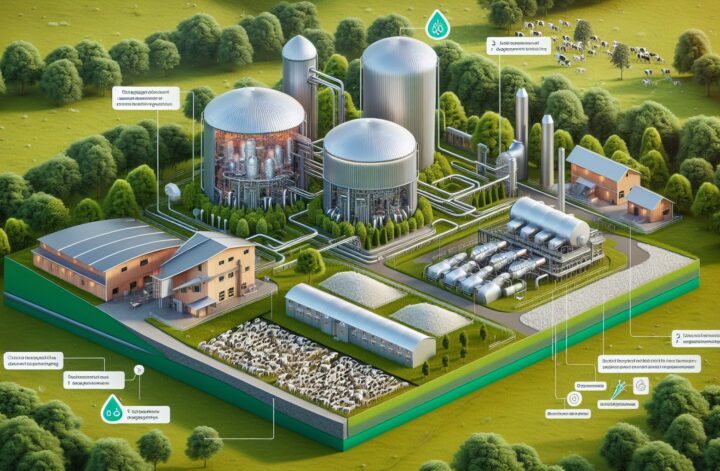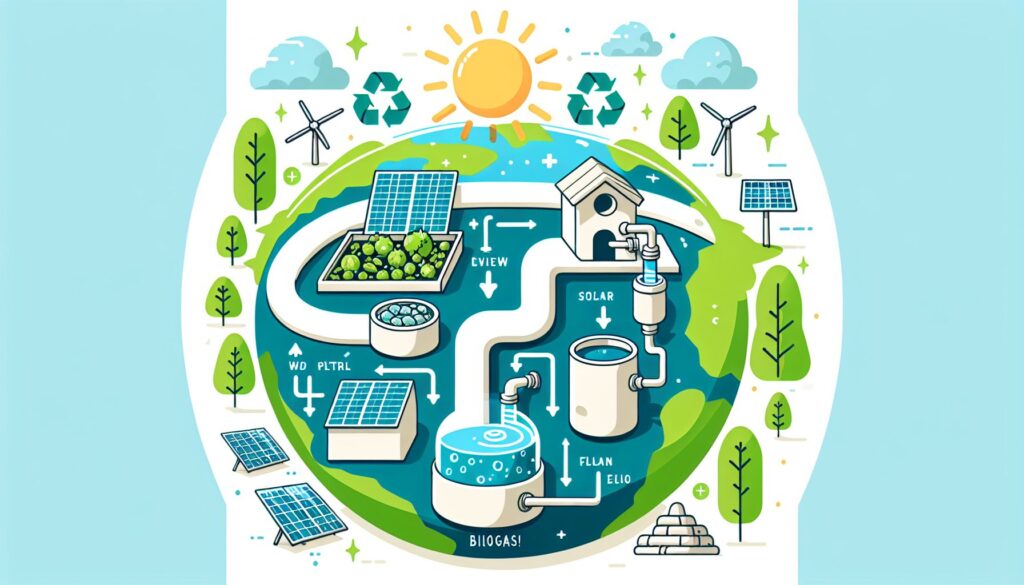
In the face of depleting fossil reserves and their harmful impact on the climate, the search for alternative, renewable sources of energy becomes even more crucial. One such promising prospect is biogas, a type of biofuel that is naturally produced from the decomposition of organic waste. While it has been in use for some time, advancements in technology and a better understanding of the biological processes involved can significantly enhance biogas production. This article delves into the intricate science and practicalities of biogas production and how it contributes to the development of renewable energy solutions.
Understanding Biogas: Composition and Uses
Biogas primarily consists of methane (CH4) and carbon dioxide (CO2), produced by microorganisms when organic materials decompose in an oxygen-free (anaerobic) environment[^1^]. Besides methane and carbon dioxide, biogas also contains trace amounts of other gases like hydrogen, nitrogen, and hydrogen sulfide.
The primary utilization of biogas is as a fuel source. It can convert into electricity and heat in combined heat and power (CHP) units, or be upgraded to biomethane for injecting into the natural gas grid[^1^]. Additionally, biogas can replace traditional fuels in transportation.
The Anaerobic Digestion Process
The process of anaerobic digestion is its backbone, which happens in four stages: hydrolysis, acidogenesis, acetogenesis, and methanogenesis[^2^]. Let’s briefly discuss each.
-
Hydrolysis. In this stage, complex organic molecules like proteins, fats, and carbohydrates break down into simpler, soluble components. The process is carried out by hydrolytic bacteria.
-
Acidogenesis. Here, acidogenic bacteria convert soluble compounds into ammonia, carbon dioxide, and volatile fatty acids.
-
Acetogenesis. Acetogens further refine volatile fatty acids into hydrogen, carbon dioxide, and acetate – simpler compounds feeding the final stage.
-
Methanogenesis. The stage where biogas is produced. Methanogens, a specific type of archaea, utilize hydrogen, carbon dioxide, and acetate to produce methane[^2^].
These stages are highly interdependent and maintain a symbiotic relationship (syntrophy). Any imbalance can inhibit the overall digestive process and reduce biogas production. One key factor here is temperature. Digestion typically happens in mesophilic (30-40°C) or thermophilic (50-60°C) conditions[^2^].
Factors Affecting Biogas Production
Effectiveness and efficiency of anaerobic digestion depend on several variables:
-
Feedstock. The type of organic waste used can significantly affect gas yield. Animal manure, food waste, plant materials, and sludge from wastewater treatment are commonly used, often in mixtures (co-digestion) for better results[^3^].
-
Digestion parameters. These include temperature, pH, and retention time. An optimal balance is key to maintaining microbial activity.
-
Organic loading rate. This refers to the amount of organic material added to the digester per unit time. Overloading can lead to substrate accumulation and possible process inhibition[^3^].
-
Technological considerations. Digester design, mixing, and heating systems all impact the final yield. High-rate anaerobic digesters, for example, have enhanced contact between substrate and microbial populations, leading to more efficient digestion[^3^].
Considerations for Biogas Scrubbing and Upgrading
Raw biogas requires treatment or “scrubbing” before use or upgrade, primarily to remove corrosive hydrogen sulfide and reduce carbon dioxide levels. Various methods exist, from simple chemical treatments to more complex processes such as water or pressure-swing absorption, membrane separation, and cryogenic methods[^1^].
Once scrubbed, biogas can be upgraded to biomethane by removing further carbon dioxide, increasing the energy content to near that of natural gas. Upgrading technologies include pressure-swing and water absorption, physical and chemical scrubbing, membrane separation, and cryogenic upgrading[^1^].
Sustainable Energy and Environment
By harnessing biogases, we convert organic wastes into usable energy, contributing to waste management. The byproduct or digestate can also serve as a soil nutrient. Moreover, harnessing biogas reduces methane emissions — a potent greenhouse gas — hence contributing to overall GHG reduction[^2^].
Final Thoughts
Biogas production plays a vital role in managing organic waste, generating renewable energy, and combating climate change. With continued advancements in technology and our understanding of the microbiological processes involved, the full potential of biogas as a renewable energy source can be realized.
[^1^]: US EPA (nd). AgSTAR’s Anaerobic Digestion 101
[^2^]: University College Dublin (2008). A Review of Anaerobic Digestion Systems
[^3^]: Weiland, P. (2010). Biogas production: current state and perspectives