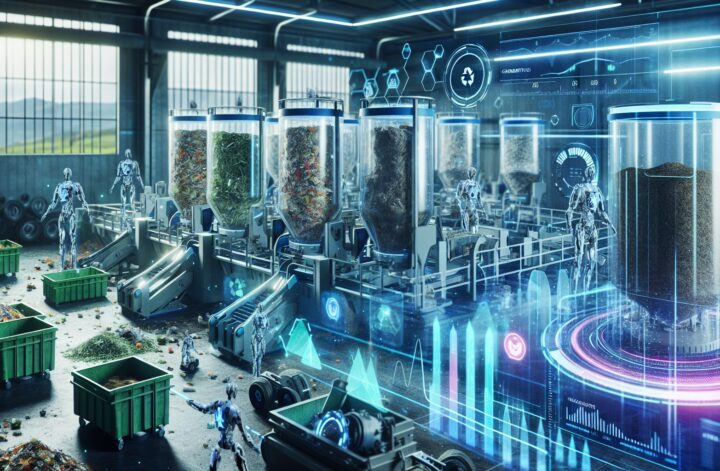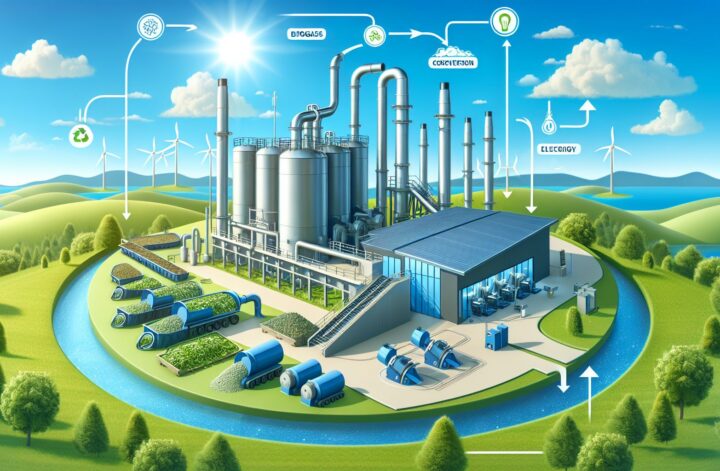
The world has been persistently marching towards finding sustainable solutions for its mounting energy needs. One such pivotal renewable energy source is “Co-digestion”– an innovative, progressive, and eco-friendly approach to deal with our energy demands while fostering waste management.
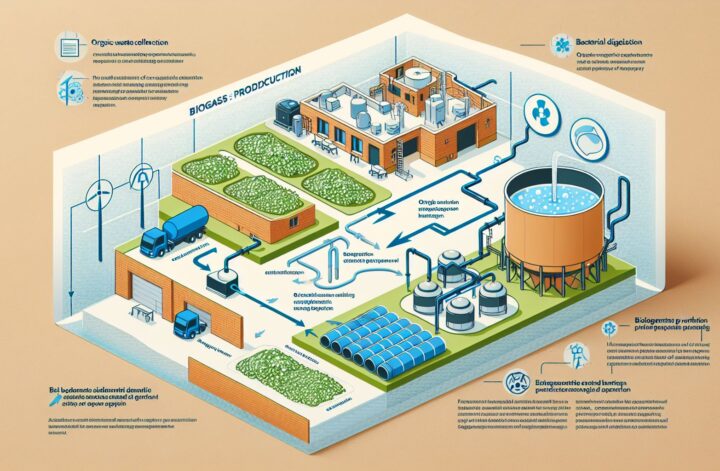
Co-digestion is a method where multiple organic waste streams are treated simultaneously in an anaerobic digester to produce biogas[^1^]. This procedure not only accelerates the process of decomposing waste materials but also significantly enhances the production of biogas, a renewable energy source. This expounded article focuses on the mechanisms, benefits, and potentials of co-digestion in renewable energy production.
The Science behind Co-digestion
The actual magic of co-digestion happens within an ecosystem of microorganisms functioning in the anaerobic digester. Co-digestion typically consists of four key steps[^2^]: hydrolysis, acidogenesis, acetogenesis, and methanogenesis.
- Hydrolysis: The organic materials are broken down into simpler molecules like amino acids, sugars, and fatty acids by enzymes secreted by hydrolytic bacteria.
- Acidogenesis: The resulting products undergo fermentation by acidogenic bacteria, transforming them into volatile fatty acids, CO2, H2, and other compounds.
- Acetogenesis: Acetogenic bacteria subsequently convert the byproducts from acidogenesis into acetic acid, CO2, and H2.
- Methanogenesis: Finally, methanogens, a unique group of archaea, convert the products from acetogenesis into biogas predominantly comprising methane and carbon dioxide.
Advantages of Co-digestion
Co-digestion exemplifies the “two birds with one stone” approach, offering a dual benefit of waste management and renewable energy production. Here are a few significant benefits of adopting co-digestion:
- Increased Biogas Production: Co-digestion allows the combination of different organic waste materials, which compensates for deficiencies in the nutrient composition and contributes to higher biogas yield.
- Robust Waste Management: It provides an environmentally friendly solution to manage organic wastes, reducing the reliance on landfilling and incineration.
- Reduced Greenhouse Gas Emissions: The biogas captured in the process can be used as a fuel, reducing CO2 and other GHG emissions that would otherwise have been released into the atmosphere[^3^].
- Productive Utilization of Digestate: The digestate left after co-digestion is rich in nutrients and can be used as a soil conditioner or fertilizer, closing the loop in an organic waste management system.
Future Potentials and Challenges
The application of co-digestion is growing rapidly worldwide, with potentials ranging from small-scale rural setups to large-scale municipal, agricultural, and industrial waste management.
However, challenges like efficient feedstock sourcing, managing digester conditions (hydraulic retention time, pH, temperature), avoiding inhibition by toxic compounds, and ensuring synergistic relationships among microbes need to be addressed to optimize the process. Supplementation with trace elements, maintaining optimal organic loading rate and solid retention time, and innovative anaerobic digester designs can contribute substantially towards overcoming these challenges.
Despite these obstacles, the future of co-digestion looks promising. It offers a sustainable, holistic approach to managing organic waste while contributing to global renewable energy targets. As we endeavor for a sustainable future, it is high time to tap into the potentials of such innovative practices, and co-digestion is indeed one step in the right direction!
[^1^]: Co-digestion: a beneficial way to deal with organic wastes
[^2^]: Anaerobic Digestion Fundamentals
[^3^]: Considerations for Anaerobic Digestion and Co-digestion