There is a continuous quest for renewable energy sources as mankind raises an eyebrow to the adverse effects of non-renewable energy resources on our climate. One key player in this valiant effort is biogas production. Today, we will delve into the processes behind biogas production, its potential as a renewable energy source, its role in greenhouse gas reduction, and the technology utilized to optimize its production, specifically anaerobic digestion.
Biogas – What It Is and How It’s Produced
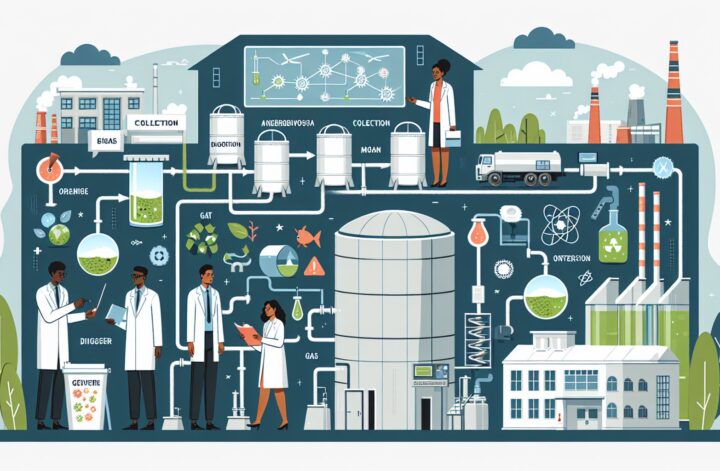
Biogas is a type of biofuel primarily consisting of methane and carbon dioxide produced by the breakdown of organic matter. It is a renewable energy source as the organics used in the process, such as plant matter and animal waste, are sustainably available. This is where anaerobic digestion comes into play. It is a process that naturally breaks down organic matter, producing biogas in the process[^1^].
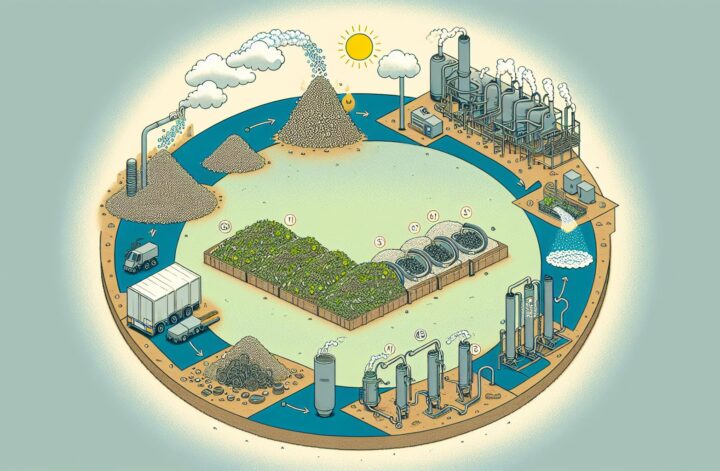
Anaerobic digestion occurs in four steps: hydrolysis, acidogenesis, acetogenesis, and methanogenesis. Hydrolysis starts the process by breaking down large organic molecules into smaller ones. Acidogenesis transforms the smaller molecules into fatty acids. Acetogenesis then converts the fatty acids to acetic acid, hydrogen, and carbon dioxide. Finally, methanogenesis produces methane and carbon dioxide, forming biogas[^2^].
Biogas and Greenhouse Gas Reduction
The correlation between biogas and greenhouse gas reduction lies primarily in methane’s characteristics. Methane emitted into the atmosphere is a potent greenhouse gas. When Methane is captured and used in biogas production, it is combusted and the resulting carbon dioxide is less potent as a greenhouse gas. Thus, biogas production does not just offer a renewable source of energy, but it also helps mitigate the global warming impacts of agricultural practices, waste management, and energy production[^3^].
Anaerobic Digestion – Digging into the Details
Harnessing the power of biogas does not occur by happenstance. It takes a process born out of robust technology – anaerobic digestion and particular designs of anaerobic digesters. These digesters provide a controlled environment for the process of hydrolysis, acidogenesis, acetogenesis, and methanogenesis. Factors such as temperature, pH, organic loading rate (OLR), hydraulic retention time (HRT) and solid retention time (SRT) are monitored and controlled for optimum biogas production[^2^].
Other aspects affecting the efficacy of anaerobic digestion include the occurrence of inhibition phenomena such as ammonia and sulfide toxicity, and the need for trace element supplementation. When the organic materials used as substrates for the digestion contain excessive nitrogen or sulfur, they can result in these toxicities which can hinder the anaerobic digestion process. This is why the understanding of anaerobic digestion microbiology and the syntrophic relationships among the microorganisms participating in the process are vital for optimization[^2^].
Conclusion
Biogas production, as a source of renewable energy, provides us with a more ecologically responsible method of managing waste and generating energy. Through controlled processes like anaerobic digestion, we can also ensure that the process is more efficient and less deleterious to our environment. Not only does it provide a renewable source of energy, but it also contributes to greenhouse gas reduction. Our continued efforts in exploring and improving technologies like this will undoubtedly be integral in our combat against climate change.
[^1^]: (EPA, “Anaerobic Digestion (AD)”)
[^2^]: (The Anaerobic Digestion & Biogas Association, “The AD process”)
[^3^]: (EPA, “Methane Emissions & Climate Change”)
Sources
- U.S. Environmental Protection Agency (EPA). “Anaerobic Digestion (AD).” ‘https://www.epa.gov/anaerobic-digestion’
- The Anaerobic Digestion & Biogas Association. “The AD process.” ‘https://adbioresources.org/about-ad/ad_process/’
- U.S. Environmental Protection Agency (EPA). “Methane Emissions & Climate Change.” ‘https://www.epa.gov/ghgemissions/overview-greenhouse-gases#methane’