In our contemporary world defined by rapid industrial growth, one of the key combustible concerns is energy – specifically, how we can continue to fuel our progress without taxing our environment beyond its breaking point. That concern has sent us on a quest for renewable energy: a clean, inexhaustible source of power that is as kind to the earth as it is efficient in functionality. This article will delve into the concept of renewable energy, its sources, benefits, and the critical role it plays in our survival and sustainable development. To give insightful nuances to our discussion, we have relied on information from trusted sources such as the Office of Energy Efficiency & Renewable Energy, the International Renewable Energy Agency, and the European Commission.
Renewable Energy Defined
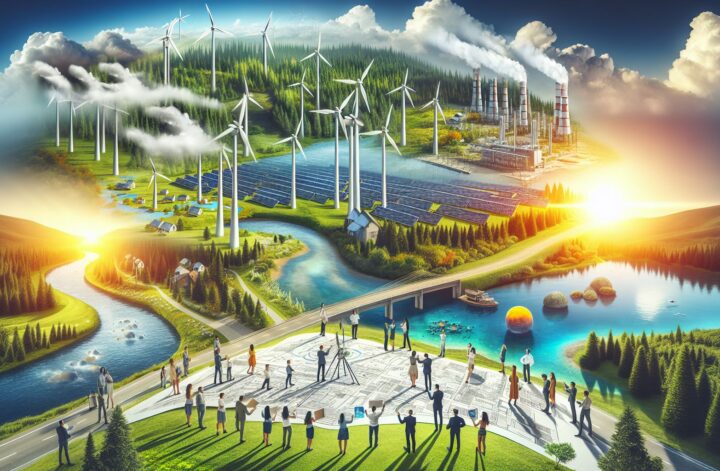
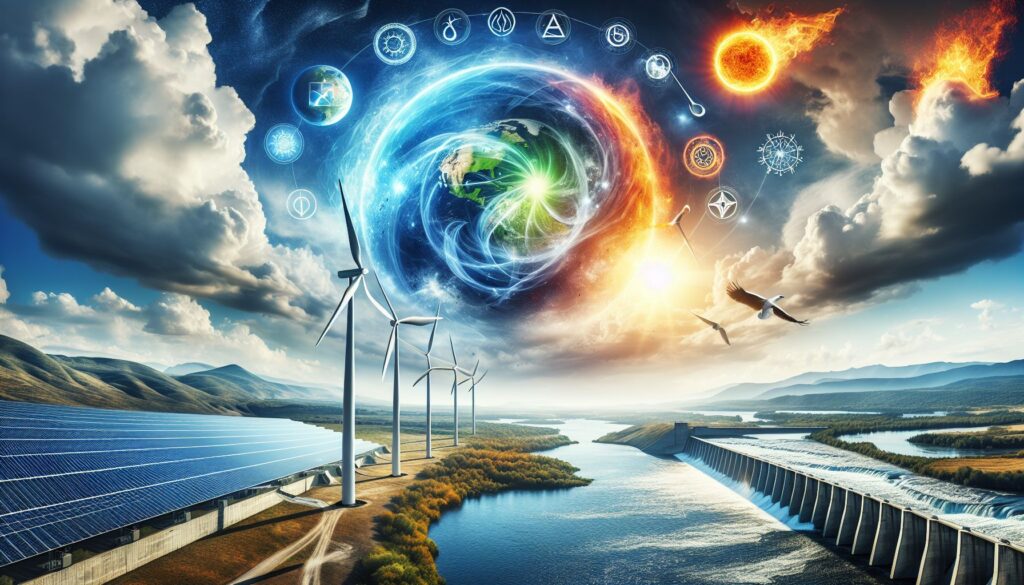
Renewable energy encompasses all energy sources that our earth continually replenishes. Unlike finite resources like nuclear fuel or fossil fuel (coal, oil, and natural gas), which might deplete beyond retrieval, these renewable sources are infinite. They encompass solar, wind, hydro, geothermal, and bioenergy. Humans have harnessed these energy sources for thousands of years, leveraging them for heating and cooling homes, cooking, generating electricity, water heating, and even transportation.
The Sources of Renewable Energy
Solar Energy
This is energy harnessed from the sun’s radiant light and heat. It’s an essential source of renewable energy, and technologies such as solar heating, photovoltaics, solar thermal energy, solar architecture, and artificial photosynthesis have evolved to utilize it[^1^].
Wind Energy
By harnessing wind power using turbines to generate electricity, wind pumps for water drainage or sails to power ships, we are using wind energy, an incredibly sustainable and eco-friendly energy source[^2^].
Hydropower
This is energy extracted from the mechanical force or kinetic energy of flowing or falling water. Historically, we’ve used such energy to grind flour and saw wood. Nowadays, we use it primarily to generate electricity[^3^].
Geothermal Energy
This renewable source of energy comes from the earth’s core, over 4,000 miles beneath the earth’s crust. We can use it for heating and cooling systems, generating electricity, and providing heat for industrial processes[^3^].
Bioenergy
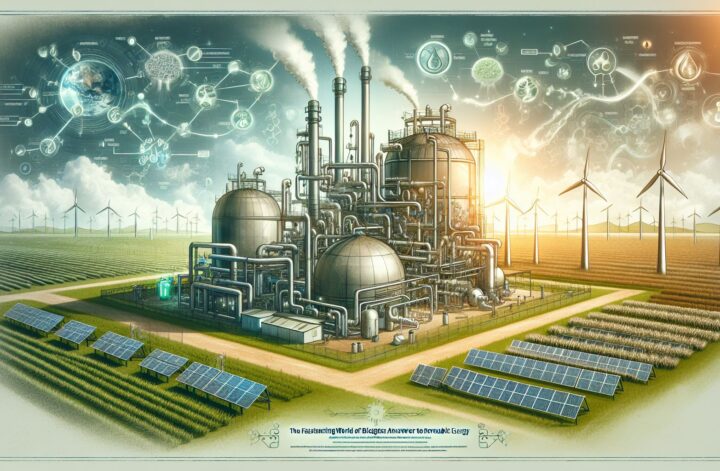
This is the energy derived from processing organic material (biomass) like plant materials, wood, garbage, crops, and alcohol fuels. Bioenergy retains the promise of reducing carbon dioxide emissions, a primary factor in global warming[^1^].
The Benefits of Renewable Energy
Going renewable offers a series of benefits:
Environmental Benefit
One central advantage of renewable energy is its reduced impact on the environment. Unlike traditional, non-renewable energy, it does not deplete non-renewable natural resources or cause harmful emissions. It reduces carbon footprints significantly, contributing to the fight against the adversities caused by global warming[^1^].
Health and Economic Benefits
By reducing our reliance on traditionally used fossil fuels, we can alleviate severe public health issues tied to air and water pollution. It can save societies billions or even trillions of dollars[^2^]. Moreover, the renewable energy industry also creates new jobs, fostering economic development.
Energy Security
In conjunction with the previous benefits, using renewable energy also results in enhanced energy security. Relying on far-off oil or gas reserves means relying on unstable and unpredictable global politics. Utilizing locally available renewable sources drastically reduces our dependency and increases our resilience[^3^].
Technological Advancement
The move towards renewable energy spurs innovation and the advent of more sustainable technology, modernizing our energy infrastructure and securing our planet’s future[^1^].
Conclusion
Incorporating renewable energy is certainly not a mere trend but a necessary and vital step towards sustainable development and a greener future. It is the responsibility of every enterprise, government, and individual to make a collective effort towards wider implementation and acceptance of these limitless, clean energy sources.
If Earth is our home, then renewable energy is the home improvement project we need to undertake, not in the distant future, but right now.
[^1^]: Office of Energy Efficiency & Renewable Energy. (n.d.). Types of Renewable Energy. U.S. Department of Energy. https://www.energy.gov/energysaver/types-renewable-energy-sources
[^2^]: International Renewable Energy Agency. (n.d.). Benefits of Renewables. International Renewable Energy Agency. https://www.irena.org/why-renewables/benefits-of-renewables
[^3^]: European Commission. (n.d.). Renewable energy – overview. European Commission. https://ec.europa.eu/info/energy-climate-change-environment/energy/renewable-energy/renewable-energy-overview_en