As climate change continues to be a major concern, more emphasis is being placed on the necessity to switch to sustainable, non-carbon energy sources. A standout amongst these alternatives is renewable energy, which is gradually proliferating into various sectors of the global economy, including residential, agriculture, transportation, etc. According to the International Renewable Energy Agency, renewable energy capacity has recorded an average annual growth of 5.4% since 2011 [^1^]. In this article, we will outline the importance of renewable energy, its types, the global outlook, and its future possibilities.
Understanding Renewable Energy
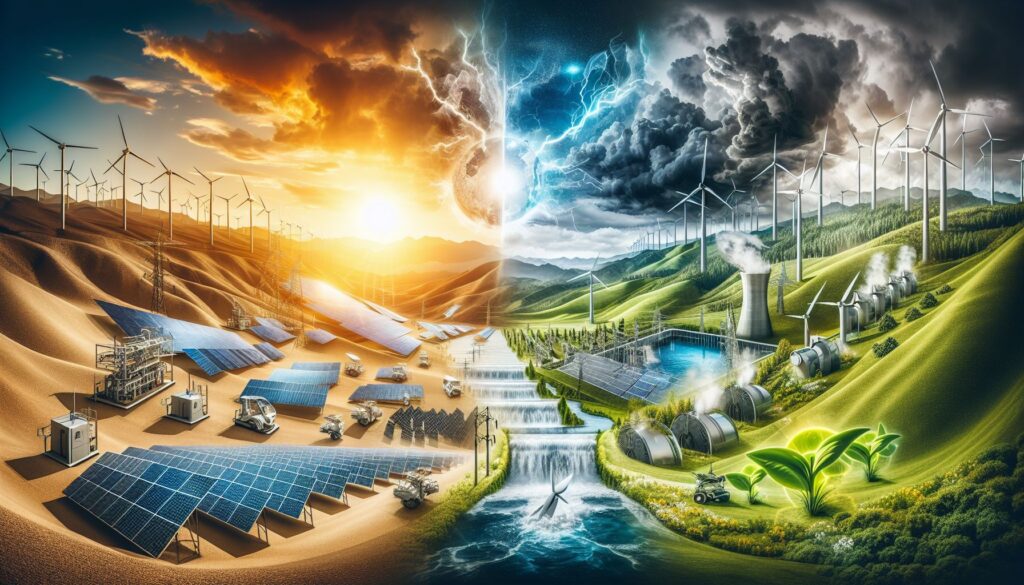
By definition, renewable energy is energy derived from resources that are naturally replenished, such as sunlight, wind, tides, geothermal heat, and plant materials (biomass). These resources hold immense significance given that they are virtually inexhaustible. Furthermore, they have a much lesser impact on the environment when compared to fossil fuels. They do not contribute to greenhouse gases that lead to global warming, and have a smaller footprint in terms of pollution.
Types of Renewable Energy
-
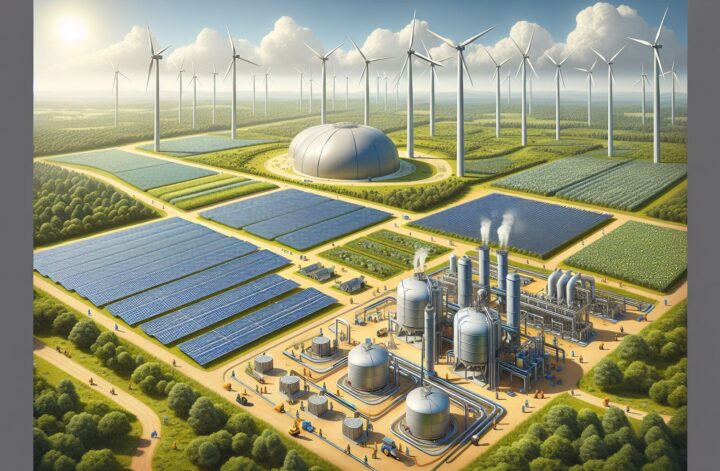
Solar Energy: Solar energy involves capturing sunlight and converting it into electricity. This can be achieved directly through photovoltaics (PV) or indirectly with concentrated solar power (CSP). Solar is one of the most promising and fastest-growing renewable energy sources, primarily owing to advancements in PV technology and global reductions in the cost of solar modules.
-
Wind Energy: This involves converting wind energy into useful forms of energy, typically electricity, using wind turbines. Wind energy is a highly efficient method of harnessing renewable energy, and its use has been rapidly expanding, particularly in regions with substantial wind resources.
-
Hydropower: This refers to power derived from the energy of running or falling water. Hydropower is considered the most mature, reliable, and cost-effective renewable power generation technology available. It has the largest share among the total global renewable energy mix.
-
Biomass Energy: This refers to energy from organic material (plant or animal). Biomass energy is harnessed by combustion (directly burning), conversion to biofuel (through processes such as anaerobic digestion), or by gasification.
-
Geothermal Energy: This involves harnessing heat energy stored beneath the earth’s crust. It is used for heating applications and to generate electricity.
Global Outlook on Renewable Energy
Over the past decade, renewable energy has proven that it can effectively replace fossil fuels and play a key role in decarbonizing the world’s electricity grid. As per the United Nations Environment Programme’s report on global renewable energy investment, investment in renewables excluding large hydro-electric dams climbed 5% to $282.2 billion in 2019 [^2^].
Countries like China and the United States are leading the pack in terms of total renewable energy generation. Iceland is an excellent instance of a nation relying heavily on renewable energy, with 100% of its electricity generated from renewable sources, majorly geothermal and hydropower[^3^].
The offshore wind market also continues to evolve and mature, with Europe standing as its global leader. The efficiency and capacity factor of wind turbines continue to improve, making it a promising contender in the renewable market.
Future of Renewable Energy
The future of renewable energy is bright, with further maturity and market penetration anticipated. Key technological advancements that are expected to shape the future course of renewables include:
- Improved battery storage capacities to overcome the intermittency issues associated with some renewable energy sources, particularly solar and wind.
- Increased efficiency of solar panels to harness more solar energy.
- The rise of smart grids and power systems to enhance the distribution efficiency of renewable energy.
- Continued growth in the use of electric vehicles, thus increasing demand for renewable electricity.
- Emergence and development of new technologies such as marine and tidal energy.
While these advancements hold promise, significant challenges yet lie ahead. These include issues of grid integration, system reliability, and financial viability. However, with sustained effort and continued innovation, the potential to overcome these barriers exists.
The Quintessence
In conclusion, it is clear that while fossil fuels have driven us so far, the future lies in renewables. Beyond the obvious environmental benefits, renewable energy could prove economically advantageous over the long term. Further investment in technology and infrastructure, coupled with sound policy frameworks, will enable the transition to a more sustainable future powered substantially by renewable energy.
[^1^]: International Renewable Energy Agency. (2021). Renewable Capacity Statistics 2021. Retrieved from https://www.irena.org/publications/2021/Mar/Renewable-Capacity-Statistics-2021.
[^2^]: United Nations Environment Programme. (2020). Global Trends in Renewable Energy Investment 2020. Retrieved from https://www.fs-unep-centre.org/global-trends-in-renewable-energy-investment-2020/.
[^3^]: The World Bank. (2021). World Development Indicators: Access to electricity (% of population). Retrieved from https://databank.worldbank.org/reports.aspx?source=world-development-indicators.