Methane is a potent greenhouse gas (GHG), around 25 times more potent than carbon dioxide at trapping heat in the Earth’s atmosphere over a 100-year period[^1^]. Therefore, capturing and converting this potent GHG into a useful energy source becomes an increasingly attractive solution to both environmental and energy challenges. This article aims to shed light on methane capture technologies, their applications, advantages, and potential impacts on the path to sustainable development.
Understanding Methane and its Sources
Methane (CH4) is a colorless, odorless gas that naturally occurs as a result of the anaerobic decay of organic materials. It is the primary component of natural gas and second most dominant GHG emission globally, contributing around 16% of all emissions[^2^].
Key sources of methane emission include agriculture (enteric fermentation in livestock and rice cultivation), fossil fuel extraction and processing, and waste decay (landfills, septic systems). These sectors present significant opportunities for methane capture and conversion into a renewable energy source.
Methane Capture Technologies
There are a number of technologies available to capture methane and mitigate its potent impact on global warming.
Landfill Gas Collection Systems
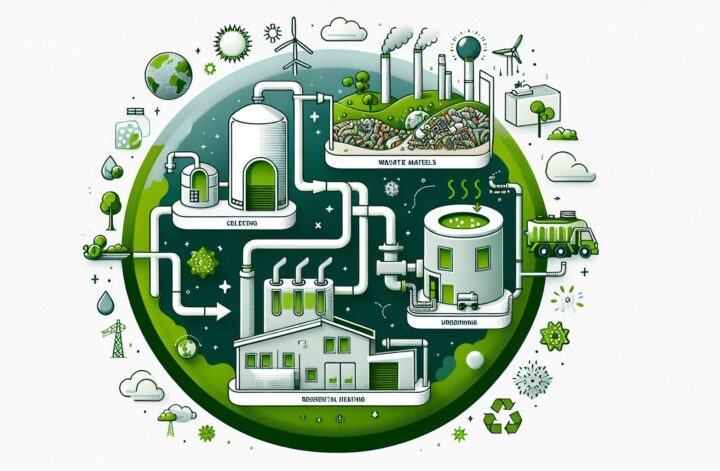
Landfills are significant sources of anthropogenic methane emissions. Landfill gas collection systems capture these emissions by using a network of wells and a vacuum system to direct the collected gas to a central point. From here, it can be treated and used as an energy source.
Digesters in Livestock Waste Management
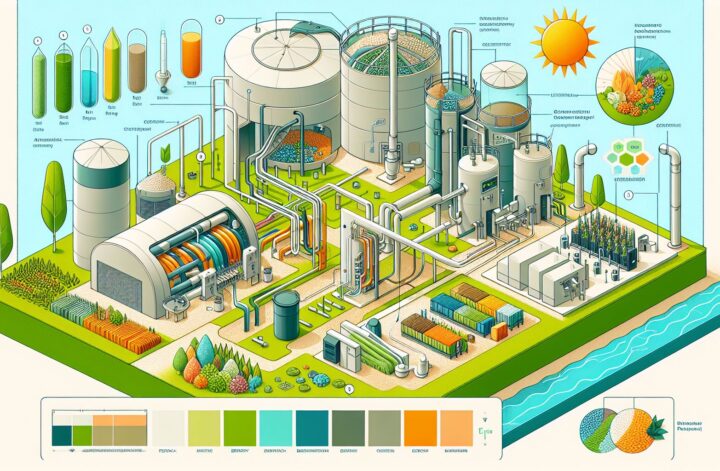
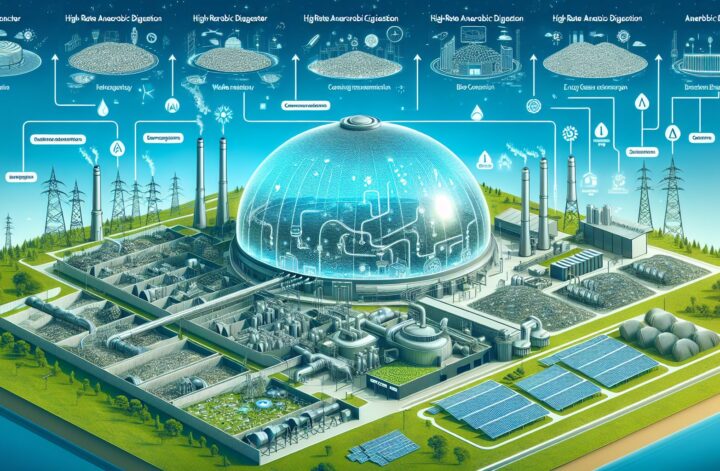
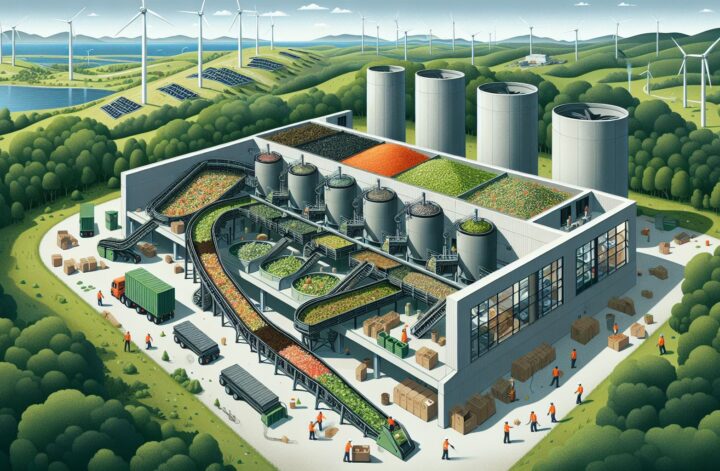
In livestock operations, manure management can result in substantial methane emissions. Anaerobic digesters capture these emissions and convert them into biogas—a mixture of methane and carbon dioxide. The biogas can then be used to generate electricity, heat, or vehicle fuel.
Coal Mine Methane Capture
During coal mining, methane that is trapped within the coal seams escapes into the atmosphere. Developing systems to capture this coal mine methane considerably reduces GHG emissions and creates an additional source of revenue, as the captured methane can be sold and used for energy purposes.
Advantages of Methane Capture and Use
Harnessing methane not only reduces GHG emissions but also provides a range of benefits to the economy, energy security, and environment:
Cleaner Environment
Capturing methane reduces the release of harmful pollutants into the atmosphere, contributing to better air quality and lower levels of smog.
Energy Generation
The captured methane can be used to produce heat, electricity, or as vehicle fuel, a valuable source of renewable energy.
Economic Development
Methane capture projects support local economies by creating jobs in equipment manufacturing, project development, and system operations.
The Role of Policy in Methane Capture and Use
Public policies play a crucial role in promoting methane capture and use, effectively providing a bridge between environmental protection and economic development. With appropriate regulations, incentives, and subsidies in place, businesses and industries can be encouraged to adopt methane capture technologies and contribute to climate change mitigation efforts[^3^].
Towards a Sustainable Future with Methane Capture
While methane capture and use present significant opportunities for reducing greenhouse gas emissions and generating renewable energy, barriers such as financial constraints and lack of awareness about the technologies can hinder its widespread adoption. Therefore, governments, industry, and society at large need to work together to promote the adoption of methane capture technologies.
In conclusion, methane capture offers a triple win solution: it helps combat climate change, promote renewable energy, and stimulate economic development. Harnessing this potent greenhouse gas and converting it into a useful energy source should be part of our collective efforts towards achieving a sustainable future.
[^1^]: Climate Change 2013: The Physical Science Basis. Intergovernmental Panel on Climate Change
[^2^]: Methane Tracker 2020: Analysis – IEA
[^3^]: World Bank Report: The Role of Policy in Methane Capture and Use