
Methane Capture: Harnessing a Powerful Greenhouse Gas for a Sustainable Future
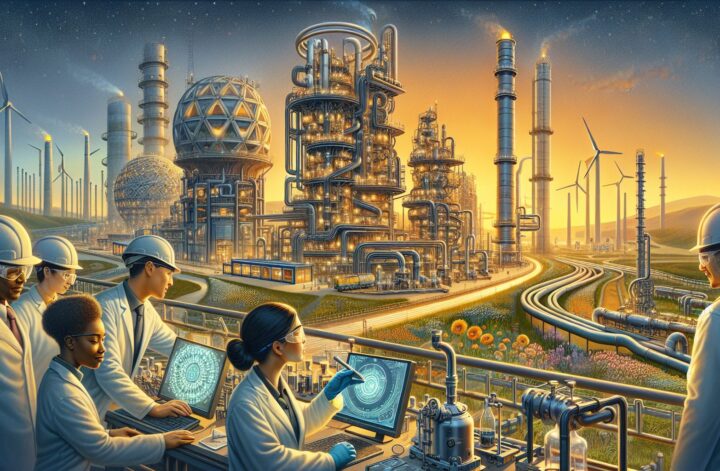
Methane is a potent greenhouse gas (GHG), around 25 times more potent than carbon dioxide at trapping heat in the Earth’s atmosphere over a 100-year period[^1^]. Therefore, capturing and converting this potent GHG into a useful energy source becomes an increasingly attractive solution to both environmental and energy challenges. This article aims to shed light on methane capture technologies, their applications, advantages, and potential impacts on the path to sustainable development.
Understanding Methane and its Sources
Methane (CH4) is a colorless, odorless gas that naturally occurs as a result of the anaerobic decay of organic materials. It is the primary component of natural gas and second most dominant GHG emission globally, contributing around 16% of all emissions[^2^].
Key sources of methane emission include agriculture (enteric fermentation in livestock and rice cultivation), fossil fuel extraction and processing, and waste decay (landfills, septic systems). These sectors present significant opportunities for methane capture and conversion into a renewable energy source.
Methane Capture Technologies
There are a number of technologies available to capture methane and mitigate its potent impact on global warming.
Landfill Gas Collection Systems
Landfills are significant sources of anthropogenic methane emissions. Landfill gas collection systems capture these emissions by using a network of wells and a vacuum system to direct the collected gas to a central point. From here, it can be treated and used as an energy source.
Digesters in Livestock Waste Management
In livestock operations, manure management can result in substantial methane emissions. Anaerobic digesters capture these emissions and convert them into biogas—a mixture of methane and carbon dioxide. The biogas can then be used to generate electricity, heat, or vehicle fuel.
Coal Mine Methane Capture
During coal mining, methane that is trapped within the coal seams escapes into the atmosphere. Developing systems to capture this coal mine methane considerably reduces GHG emissions and creates an additional source of revenue, as the captured methane can be sold and used for energy purposes.
Advantages of Methane Capture and Use
Harnessing methane not only reduces GHG emissions but also provides a range of benefits to the economy, energy security, and environment:
Cleaner Environment
Capturing methane reduces the release of harmful pollutants into the atmosphere, contributing to better air quality and lower levels of smog.
Energy Generation
The captured methane can be used to produce heat, electricity, or as vehicle fuel, a valuable source of renewable energy.
Economic Development
Methane capture projects support local economies by creating jobs in equipment manufacturing, project development, and system operations.
The Role of Policy in Methane Capture and Use
Public policies play a crucial role in promoting methane capture and use, effectively providing a bridge between environmental protection and economic development. With appropriate regulations, incentives, and subsidies in place, businesses and industries can be encouraged to adopt methane capture technologies and contribute to climate change mitigation efforts[^3^].
Towards a Sustainable Future with Methane Capture
While methane capture and use present significant opportunities for reducing greenhouse gas emissions and generating renewable energy, barriers such as financial constraints and lack of awareness about the technologies can hinder its widespread adoption. Therefore, governments, industry, and society at large need to work together to promote the adoption of methane capture technologies.
In conclusion, methane capture offers a triple win solution: it helps combat climate change, promote renewable energy, and stimulate economic development. Harnessing this potent greenhouse gas and converting it into a useful energy source should be part of our collective efforts towards achieving a sustainable future.
[^1^]: Climate Change 2013: The Physical Science Basis. Intergovernmental Panel on Climate Change
[^2^]: Methane Tracker 2020: Analysis – IEA
[^3^]: World Bank Report: The Role of Policy in Methane Capture and Use
Biogas Production: A Key Player in Sustainable Renewable Energy
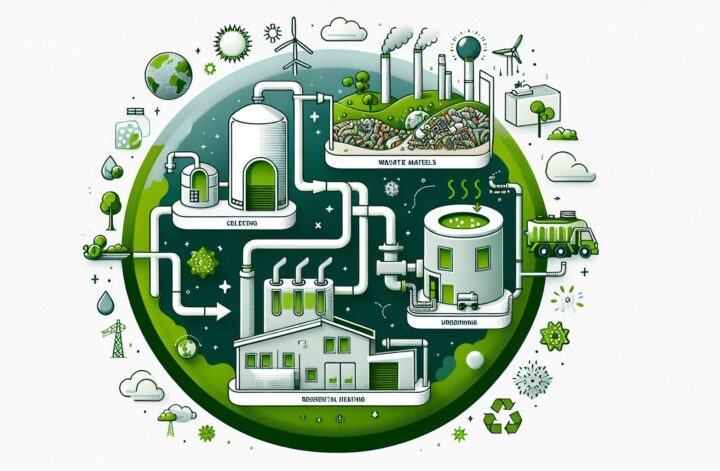
In our constant search for renewable energy sources, biogas production has emerged as a powerful player offering a sustainable and environmentally-friendly solution. As an organic form of energy, biogas can be created from virtually any organic material, including various types of waste. It thus simultaneously provides a renewable energy source and an effective waste management solution.
Introduction to Biogas
Biogas is a type of biofuel that is naturally generated from the decomposition of organic waste. The waste type can be varied, including agricultural waste, plant material, sewage, municipal waste, or food scraps. This decomposition process is known as anaerobic digestion and happens in a sealed, oxygen-free tank known as an anaerobic digester[^1^].
The Anaerobic Digestion Process
Anaerobic digestion is a multistep process that includes hydrolysis, acidogenesis, acetogenesis, and methanogenesis[^2^]. During the process, microorganisms work under oxygen-free conditions to break down organic matter into methane-rich biogas and a nutrient-rich residue called digestate.
Hydrolysis
During hydrolysis, bacteria break down insoluble organic matter into soluble components that can be utilized in the next stages.
Acidogenesis
In acidogenesis, other bacteria break down the soluble components into short-chain fatty acids and other further intermediates.
Acetogenesis
Next, in acetogenesis, these intermediates are converted into acetic acid, hydrogen, and carbon dioxide, among other compounds.
Methanogenesis
Finally, in methanogenesis, all these products are transformed into methane, carbon dioxide, and water.
By harnessing this natural process, biogas production offers a green energy-efficient solution, providing us with renewable energy while reducing organic waste, protecting the environment, and promoting sustainable development.
Importance of Biogas Production
Renewable Energy Source
Biogas is a renewable energy source, meaning it can be replenished naturally over a short period. The renewable nature of biogas dramatically contrasts with the finite and pollutive nature of fossil fuels.
Waste Treatment
Biogas production also presents a beneficial solution to waste management issues. Organic waste that would otherwise end up in landfills or be wasted is instead utilized, converted into useful energy, and reduced.
Environmental Benefits
Biogas production also contributes to reducing greenhouse gas emissions. Methane, which is 25 times more potent as a greenhouse gas than carbon dioxide[^3^], would be released into the atmosphere if organic waste were left to decompose naturally. By capturing and utilizing this methane, biogas production significantly lowers greenhouse gas emissions.
Economic Development
Lastly, biogas production can also contribute to economic development by creating jobs in the renewable energy sector.
Future of Biogas Production
The future potential for biogas production is huge. As the world continues to shift towards renewable energy, biogas stands as a significant part of this transition. Energy demand is anticipated to increase by 50% over the next couple of decades, and renewable energy sources like biogas will be crucial in satisfying this demand in an environmentally sustainable manner[^2^].
In conclusion, biogas production has offered a win-win solution, promoting renewable energy and waste reduction, while also contributing to environmental protection and economic development. As our world continues to shift towards sustainable energy, it is clear that biogas has an important role to play.
[^1^]: Anaerobic digestion
[^2^]: Anaerobic digestion: a review
[^3^]: How Bad of a Greenhouse Gas Is Methane?
Note: This is a brief introduction to biogas production. For more detailed information, it is recommended to refer to specific literature on each of the topics mentioned.
High-rate Anaerobic Digestion: An Eco-friendly Solution for Renewable Energy
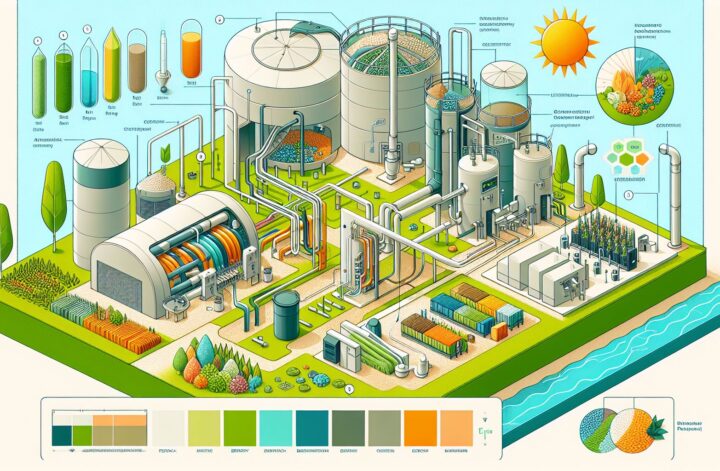
Today, the world’s energy consumption is characterized by an increasing demand for renewable energy sources. As the climate crisis looms, non-renewable resources decline and energy consumption patterns change, the search for sustainable, eco-friendly energy alternatives are of paramount importance. One notable innovation is the high-rate anaerobic digestion (HRAD) system, a technology that breaks down organic matter without the use of oxygen. HRAD is designed to maximize the speed of the digestion process and optimize biogas production, making it a promising strategy for sustainable energy production.
The Process of High-rate Anaerobic Digestion
High-rate anaerobic digestion involves the breakdown of organic materials, including municipal waste, agricultural residues, and industrial effluents, in an oxygen-free environment. The main products of the process are biogas, which is a useful source of renewable energy, and digestate, which can be used as a soil improver.
The HRAD process inherits its efficiency from four primary stages: hydrolysis, acidogenesis, acetogenesis, and methanogenesis[^1^]. During hydrolysis, complex organic compounds are broken down into simple sugars, amino acids, and fatty acids. Acidogenesis then converts these products into volatile fatty acids and other compounds. Acetogenesis stage subsequently transforms these compounds into acetate, hydrogen, and carbon dioxide, and methanogenesis forms methane and carbon dioxide.
The high-rate anaerobic digestion system is tailored to maximize the process’ speed and biogas yield. The system relies on a concise hydraulic retention time (HRT) and an elevated organic loading rate (OLR). HRT is the average time the wastewater spends within the digester, and OLR relates to the amount of organic matter loaded into the digester per volume and time. Unlike conventional anaerobic digestion systems, HRAD systems often operate with an HRT of less than one day and a higher OLR, resulting in higher biogas yields and faster processing times[^2^].
Sustainability and Renewable Energy
As an eco-friendly solution, High-rate anaerobic digestion is a boon to the world’s effort to decrease our reliance on fossil fuels, while simultaneously addressing waste management issues. It generates biogas, which is a renewable source of energy consisting of approximately 60% methane, 35% carbon dioxide, and trace amounts of other gases. The methane collected can be used for combined heat and power (CHP), while the carbon dioxide contributes to reducing greenhouse gas emissions[^3^].
In addition, the digestate by-product from the HRAD process is rich in nutrients and can be used to improve soil conditions for agriculture. This process therefore provides a circular solution to waste and energy management issues, contributing to the broader scope of sustainable development and environment-friendly practices.
Challenges and Future Prospects
While high-rate anaerobic digestion is a promising method for sustainable energy production and waste management, the system needs to resolve issues around toxicity, such as ammonia and sulfide toxicity, which can inhibit digestion performance. Supplementation with trace elements can improve the system’s efficiency and reduce potential toxicity. Moreover, considerable research is currently aimed at evaluating the mesophilic and thermophilic conditions for the optimization of HRAD process.
On the other hand, the development of HRAD systems is contributing to the designing strategies of an anaerobic digester. Biogas upgrading and biogas scrubbing have become important processes for enhancing the quality of the produced biogas and making it suitable for various applications.
High-rate anaerobic digestion offers an innovative solution to the mounting energy and waste management challenges we face today. It is a system that is efficient, sustainable, and scalable, promising a better, greener, and more renewable energy future.
For us to unlock the full potential of this technology, continued research, development, and dissemination of knowledge are crucial. With concerted efforts from scientists, policymakers, industry players, and communities, the high-rate anaerobic digestion system could very well be key to a sustainable future.
[^1^]:Appels, L., Baeyens, J., Degrève, J., & Dewil, R. (2008). Principles and potential of the anaerobic digestion of waste-activated sludge. Progress in Energy and Combustion Science, 34(6), 755–781. doi:10.1016/j.pecs.2008.06.002
[^2^]:Bolzonella, D., Battistoni, P., Susini, C., & Cecchi, F. (2003). The role of sludge retention time in the hydrolysis and acidification of soluble organic matter (SOM) of waste activated sludge. Water Research, 37(14), 3436–3444. doi:10.1016/S0043-1354(03)00231-5
[^3^]: Sosnowski, P., Wieczorek, K., & Ledakowicz, S. (2003). Anaerobic co-digestion of sewage sludge and organic fraction of municipal solid wastes. Advances in Environmental Research, 7(3), 609–616. doi:10.1016/S1093-0191(02)00049-3
Digestate: Building up a Sustainable Future
In the puzzle that is the modern world, one of the main challenges we face is management of waste. Today’s conversation around this subject will revolve around the concept of digestate – an often-underappreciated product of biogas production. In this lengthy essay, we are going to have a deep dive into what digestate is, its production process, benefits, challenges faced, and its role in promoting a more sustainable future.
What is Digestate?
To begin with, digestate is an end product of a process known as anaerobic digestion[^1^], which essentially entails bacterial digestion of organic materials while in an environment devoid of oxygen. In this process, organic waste is converted into two main products: biogas (primarily methane, which can then be used for energy) and digestate.
To put it simply, think about when you yourself eat food. It goes in, gets broken down by the bacteria in your gut, resulting in ‘energy’ for your activities and waste. Digestate is quite alike to the waste part of that scenario. However, unlike human waste which often has limited utilities, digestate effectively can be utilized in numerous fields, especially agriculture.
Production of Digestate
The production of digestate corresponds synonymously with the production of biogas itself, which primarily occurs through anaerobic digestion[^2^]. To break it down, the process involves four stages:
- Hydrolysis: Complex organic compounds are broken down to simpler compounds.
- Acidogenesis: The simpler compounds are further broken down to volatile fatty acids and alcohols.
- Acetogenesis: The fatty acids and alcohols are converted into hydrogen, carbon dioxide, and acetate.
- Methanogenesis: Acetates are then converted to methane.
In the end, what is left behind is the digestate. This material generally appears as a thick slurry and contains minerals, un-degraded organic materials, and considerable amounts of fluid. It’s important to note that its consistency, appearance, and composition are determined by the feedstock used in the process and the intensity and efficiency of the digestion process itself.
The Utility of Digestate
So, we have this slurry. It’s a byproduct of our biogas systems, and we have quite a lot of it. What good is it? Answer: quite a lot.
Soil Conditioner
The primary use of digestate is as a soil conditioner. This is because it is rich in nitrogen, potassium, and phosphorus – three of the primary macronutrients needed for plant growth[^3^]. Plus, it has an abundance of organic matter which helps improve soil structure, moisture-holding capacity, and general soil health. Using digestate as a soil conditioner also reduces the need for synthetic fertilizers, which can have a considerable environmental impact due to their production process.
Source of energy
In addition to improving soil health, digestate can also be used as a source of renewable energy. While the major share of energy from anaerobic digestion comes from biogas itself, the residual digestate still contains significant amounts of potential energy which can be tapped through processes such as combustion.
Challenges faced
While the digestate smartly fits into the equation of sustainable development, it too encounters several hurdles. The primary of these is the element of inconsistency in its makeup, largely influenced by the feedstock and the environmental and operational parameters of the digestion process.
Another major challenge is handling and storage. Lack of proper planning or poor handling of digestate can potentially lead to the contamination of water sources and emission of greenhouse gases.
Digestate: A Sustainable Approach
Despite these challenges, digestate still brings the whole package. Managing waste of all types, mitigating climate change, regenerating soil fertility, and the list goes on.
Our journey towards sustainability is about understanding how everything in our world is interconnected, and in this case, how our waste management practices can be connected to energy production, soil health, and economic efficiency.
As we face the challenges of climate change and resource scarcity, digestate and the anaerobic digestion process remind us of the potential in every little part of our world – including the ‘waste’ we often disregard – and the difference it can make to our planet.
Looking ahead, we need to invest in more research and technology regarding digestate management and usage. Effective policies to regulate its use and promote it as a viable and sustainable alternative to conventional fertilizers and energy sources will go a long way in harnessing the full potential of digestate.
This humble byproduct may be just what we need to develop a future that’s not just sustainable but regenerative.
[^1^]: “Digestate – An Overview | ScienceDirect Topics”. www.sciencedirect.com.
[^2^]: “Anaerobic Digestion – Bioenergy Association of NZ”. www.bioenergy.org.nz.
[^3^]: “Effective use of digestate in farming”. www.wrap.org.uk.
The Power of Biogas Production: A Renewable Energy Revolution
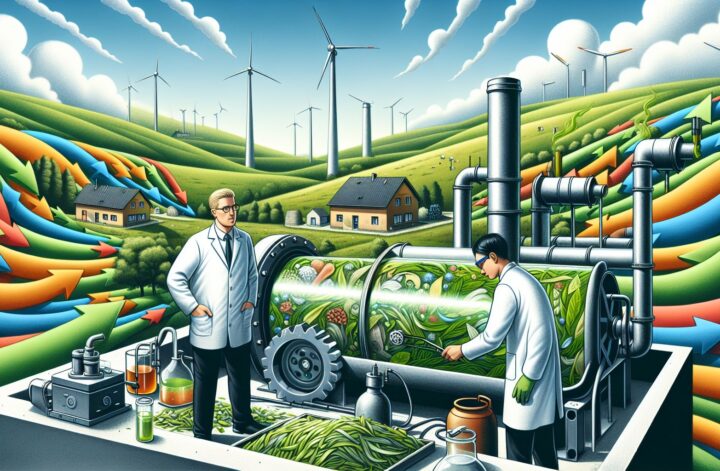
The idea of harnessing energy from organic waste sounds like something out of a science fiction book, yet it’s a reality in today’s world. One of the most popular methods of achieving this is through biogas production. With its ability to convert organic waste into renewable energy, biogas production provides an incredible solution to two major problems the world currently faces – the energy crisis and waste management. As we delve deeper into the process of biogas production and its implications, we take a step towards understanding how wastes will power the future.
What is Biogas Production?
Biogas production is a process that uses organic waste as feedstock for the generation of methane, which is a significant component of natural gas. This process, also known as anaerobic digestion, provides a clean form of energy that can power homes, fuel vehicles, or generate electricity[^1^]. Additionally, the byproduct of biogas production, known as digestate, can be used as a fertiliser, adding another layer of utility to the process.
The Steps to Biogas Production
The process of biogas production involves a series of steps. These include hydrolysis, acidogenesis, acetogenesis, and methanogenesis[^2^].
-
Hydrolysis: The first stage in the process, hydrolysis, begins with breaking down the complex organic matter into simple sugars, amino acids and fatty acids.
-
Acidogenesis: In the acidogenesis phase, these simpler compounds are broken down further into volatile fatty acids and other compounds such as hydrogen, ammonia and carbon dioxide.
-
Acetogenesis: During acetogenesis, the products of acidogenesis are converted into acetate, carbon dioxide, and hydrogen.
-
Methanogenesis: The final step, methanogenesis, sees these products converted into methane and carbon dioxide by methanogenic archaea, thereby producing biogas.
The Utility of Biogas
Biogas production provides a clean and renewable source of energy. Unlike fossil fuels, it doesn’t contribute significantly to global warming and climate change. With the possibility of being captured and used for various energy needs, biogas provides a neutral carbon footprint. This is because the CO2 emitted during the combustion of biogas is taken up by the plants that will eventually become feed for the next round of biogas production[^3^].
Thermophilic digestion, a type of high-rate anaerobic digestion, can further improve the performance of the biogas plant. Applying high temperatures between 55-60°C, thermophilic digestion accelerates the digestion process and increases the yield of biogas per substrate. However, operating under these conditions requires more precise control and robust digester design.
Another emerging trend is the biogas upgrading process, which aims to refine the biogas by removing impurities. This upgraded biogas, also referred to as biomethane, can be injected directly into the gas grid, thereby offering a renewable alternative to natural gas.
Challenges in Biogas Production
Despite its benefits, biogas production still faces certain challenges. There are technical barriers such as the toxicity of the fermenting environment due to the accumulation of ammonia and sulfides. Additionally, the lack of certain trace elements can inhibit anaerobic digestion, requiring supplementation.
Managing organic loading rate (OLR) is also critical to maintaining the health and stability of the anaerobic digester. Throughout these challenges, it’s clear how important it is to understand the underlying principles and intricacies of the process.
Promise of the Future
Even though challenges exist, the potential advantages of biogas production are undeniable. With promising advancements in anaerobic digestion technology and a greater focus on renewable energy resources, the future for biogas production looks bright. Aside from its environmental benefits, the biogas industry can also create job opportunities, promote sustainable agriculture, and contribute to local economies.
In conclusion, biogas production, with its multiple utilities, offers a solution for global energy and waste management challenges. Thus, it serves as an important cornerstone in the path towards a sustainable future.
[^1^]: U.S. Energy Information Administration (EIA). “Use of electricity”. https://www.eia.gov/energyexplained/use-of-electricity/
[^2^]: Amigun B, Sigamoney R, von Blottnitz H. “Commercialisation of biofuel industry in Africa: A review”. Renewable and Sustainable Energy Reviews. 2008;12(3):690-711. doi:10.1016/j.rser.2006.10.019
[^3^]: Sturm BS, Lamer SL. “An energy evaluation of coupling nutrient removal from wastewater with the hydrothermal liquefaction of microalgae”. Bioresource technology. 2011;102(10):5779-5786. doi:10.1016/j.biortech.2011.02.058
High-Rate Anaerobic Digestion: A Game-Changer in Waste Management and Renewable Energy
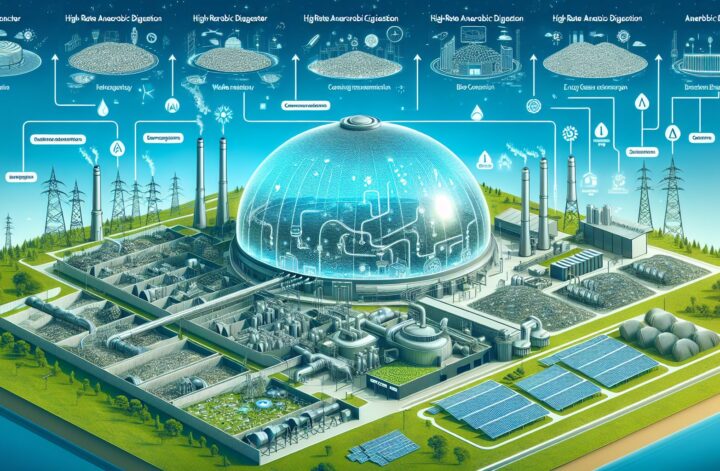
As human population ramps up, inevitably producing more and more waste, efficient waste management solutions are urgently required. High-Rate Anaerobic Digestion (HR-AD) fills this gap, transforming organic waste into valuable, renewable biogas and establishing itself as a game-changer in our continuously evolving green energy landscape. Besides, it drastically reduces landfill waste, thus mitigating the greenhouse gas emissions significantly.
What is High-Rate Anaerobic Digestion?
Anaerobic digestion, put simply, is a biological process that lyses organic materials in the absence of oxygen, yielding biogas – a sustainable energy source. But, what is ‘High-rate’ in this equation? High-rate refers to the enhanced efficiency achieved by the application of advanced technologies, resulting in faster organic matter decomposition and thus, elevated biogas production rate.
A key facet to High-Rate Anaerobic Digestion (HR-AD) is the implementation of biomass immobilization techniques. In this technique, microorganisms are encouraged to adhere to various support media. The solid retention time (SRT) is greater than the hydraulic retention time (HRT), meaning the microorganisms have ample time to break down the waste, achieving a high organic loading rate (OLR) [^1^].
Understanding the Anaerobic Digestion Process
The process of anaerobic digestion can mainly be split into four stages: Hydrolysis, Acidogenesis, Acetogenesis, and Methanogenesis.
In the hydrolysis phase, complex organic substances like carbohydrates, proteins, and lipids are broken down into simpler substances such as sugars, amino acids, and fatty acids. These elements are further decomposed in the acidogenesis phase, forming volatile fatty acids, CO2, hydrogen, and other substances.
During acetogenesis, the above-mentioned substances are further decomposed into acetic acid, hydrogen, and more CO2. The final stage is methanogenesis, where methanogen bacteria convert these products into methane, CO2, and water. Methanogenesis distinguishes anaerobic digestion from other biological processes as biogas mainly contains methane [^2^].
Benefits of High-Rate Anaerobic Digestion
Production of Biogas
High-Rate Anaerobic Digestion is a powerful catalyst in the transition to circular economies by converting waste into sustainable energy. The digestion process yields biogas comprised mainly of methane and carbon dioxide, which can be upgraded and utilized to generate heat and power. Upgrading is usually done through a process known as biogas scrubbing, where impurities and CO2 are removed, yielding biomethane that can be used as vehicle fuel or injected into the natural gas grid [^3^].
Reduction in Greenhouse Gases
Moreover, High-Rate Anaerobic Digestion helps in reducing global greenhouse gas emissions. When organic matter is left to decompose in the environment, it produces methane, a potent greenhouse gas. Methane capture during the HR-AD process mitigates its release into the atmosphere, contributing to climate change mitigation efforts.
Production of Digestate
In addition to sustainable energy, HR-AD also results in the production of nutrient-rich digestate, a by-product which can be used as a soil conditioner and fertilizer. This aligns with the principles of a circular economy, converting waste into valuable products.
Ongoing Challenges and Future Development
Despite its numerous advantages, HR-AD, like any other technology, also faces challenges. Among these are ammonia toxicity and sulfide toxicity that inhibit the digestion process, necessitating thoughtful digester design and management to ensure maximum efficiency. Moreover, trace element supplementation becomes essential as they are vital for the health and activity of the bacterial species orchestrating the digestion process.
As our world progressively moves towards green and sustainable solutions, High-Rate Anaerobic Digestion undoubtedly holds a significant position in this journey. It’s not just about waste treatment anymore; it’s also about developing a renewable energy source while reducing our environmental footprint.
With continuous innovation and development, HR-AD is set to expand its influence, offering impressive opportunities for efficient waste management and renewable energy harnessing, thus, paving the way for a more sustainable, carbon-neutral future.
[^1^]: Lettinga G, de Man A, Van der Last AR, Wiegant W, Van Knippenberg K, Frijns J, van Buuren JC. Anaerobic sewage treatment: a practical guide for regions with a hot climate. John Wiley & Sons Ltd; 1997.
[^2^]: Henze, M., Harremoes, P., la Cour Jansen, J., Arvin, E., Anaerobic Treatment of Sewage with the Anaerobic Baffled Reactor (ABR). Water Science and Technology, v.33, n.3, p.157-166, 1996.
[^3^]: Verma S. “Anaerobic Digestion of Biodegradable Organics in Municipal Solid Wastes.” Columbia University, 2002.
Organic Waste Treatment: Answering the Call for Sustainable Energy
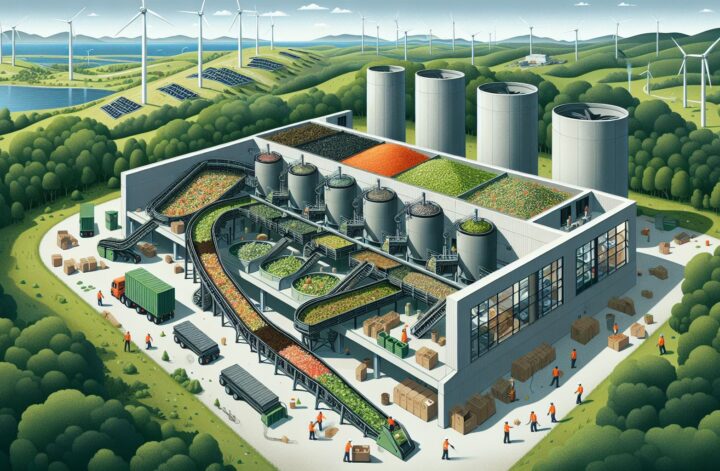
Addressing the critical problems of our century, such as environmental degradation and the energy shortage, is imperative more than ever. The solution lies in innovative methods that reduce our reliance on non-renewable resources while mitigating pollution. With this in mind, let’s dive into the topic of Organic Waste Treatment, which more and more appears to be a promising avenue toward the dissipation of these issues.
Organic Waste: A Raw Material Untapped
Organic waste has traditionally been considered an inconvenience, burdened with the tasks of collection, treatment, and disposal. Yet, within this ‘waste’ lies a vast potential that, only recently, has been recognized and coveted. Organic waste produced in municipal solid waste (MSW) and agricultural production can be transformed into a renewable source of energy, effectively closing the loop of waste to energy[^1^].
The Process of Organic Waste Treatment
The backbone of organic waste treatment is a set of biological processes collectively known as Anaerobic Digestion (AD). AD occurs in an oxygen-free environment, wherein complex organic matter in the waste is broken down by microbial communities. The end products are biogas, a renewable source of energy, and digestate, a nutrient-rich material that can be used as a high-quality fertilizer. This dual-product output has exceptional potential in agro-energy production[^2^].
The AD process is classified into four stages: hydrolysis, acidogenesis, acetogenesis, and methanogenesis.
-
Hydrolysis: It is the process by which large insoluble organic molecules are converted into soluble organic molecules, e.g., the conversion of fats into fatty acids.
-
Acidogenesis: It involves bacteria which convert the soluble molecules created in hydrolysis into organic acids and alcohol.
-
Acetogenesis: This is the process where acid-forming bacteria convert the organic acids into acetic acid, carbon dioxide, and hydrogen.
-
Methanogenesis: This is the final stage where methane-producing methanogens transform the aforementioned products, i.e., acetic acids, carbon dioxide, and hydrogen, into methane[^3^].
“These four steps form a complex chain in which the product of one step becomes the substrate of the next. Far from being independent, these steps are interlinked through synergistic and mutualistic relationships of the microorganisms involved,” based on a report published in the journal of Environmental Science and Technology[^4^].
Anaerobic Digestion: Its Importance and Sustainable Benefits
Anaerobic digestion as a method of organic waste treatment presents several compelling advantages over traditional treatment methods:
-
Renewable Energy Production: Anaerobic digestion transforms organic waste into a valuable source of renewable energy, thereby reducing our reliance on fossil fuels.
-
Waste Volume Reduction: By transforming organic waste into biogas and digestate, the volume of waste that requires disposal is significantly reduced.
-
Greenhouse Gas Emission Reduction: By capturing and using the methane produced in the anaerobic digestion process, we can reduce the greenhouse gases that would otherwise be released into the environment.
-
Nutrient Recovery: The digestate produced during the AD process is nutrient-rich and can be used as a high-quality fertilizer, promoting sustainable agricultural practices.
The Way Forward
The potential of organic waste treatment is evident yet, to fully harness its potential, we must address some challenges. The efficiency of the process can be affected by various factors, including temperature, pH levels, retention time and the balanced diet of the microbial communities involved. Also, organic waste is diverse in nature; so, some types of waste may require specific pre-treatment processes before it can be efficiently digested. Therefore, continuing research is vital to optimize the process for different waste streams and environmental conditions.
Investing in the sector of organic waste treatment might bear the fruits of food security, energy independence, and most importantly, a sustainable future. Only time will tell if we have learned to appreciate waste not as an afterthought but as a goldmine of opportunities.
References
[^1^]: Themelis, N. J., & Ulloa, P. A. (2007). Methane generation in landfills. Renewable energy, 32(7), 1243-1257.
[^2^]: Labatut, R. A., Angenent, L. T., & Scott, N. R. (2011). Conventional mesophilic vs. thermophilic anaerobic digestion: A trade-off between performance and stability? Water Research, 45(2), 277-285.
[^3^]: Appels, L., Baeyens, J., Degrève, J., & Dewil, R. (2008). Principles and potential of the anaerobic digestion of waste-activated sludge. Progress in Energy and Combustion Science, 34(6), 755-781.
[^4^]: De Vrieze, J., Verstraete, W., & Boon, N. (2013). Repeated pulse events allow the enrichment of syntrophic consortia to perform syngas fermentation. Environmental science & technology, 47(15), 8776-8781.
The Power of Biogas Production: Transforming Waste Into Renewable Energy
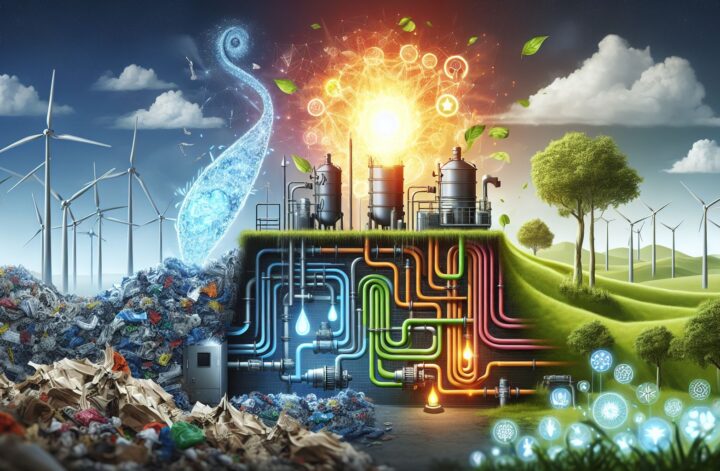
Each year, global populations generate enormous quantities of waste. Disposal and processing of this waste pose significant challenges, but modern advancements have introduced processes capable of mitigating these issues. Among these, biogas production is a primary contender. By converting waste into renewable energy, we can reduce our consumption of traditional power sources, and introduce new streams of waste management that are beneficial to our environment.
What is Biogas Production?
Biogas production is a biological process in which organic waste is broken down by bacteria in an environment devoid of oxygen, known as anaerobic conditions. This breakdown results in the generation of biogas, which is principally composed of methane and carbon dioxide, with minor amounts of other gases such as hydrogen and hydrogen sulfide[^1^].
The Process
The process of converting organic waste into biogas is achieved through four main steps:
-
Hydrolysis: This stage involves the decomposition of complex organic waste into simpler soluble organic molecules.
-
Acidogenesis: Here, the soluble organic compounds are broken down into volatile fatty acids and alcohols.
-
Acetogenesis: In this third stage, the volatile fatty acids and alcohols are converted into hydrogen, carbon dioxide, and acetate.
-
Methanogenesis: The final stage sees hydrogen and carbon dioxide converting into methane, with acetate being broken down into methane and carbon dioxide[^2^].
It’s critical to note that each of these steps is demanding of specific conditions, including pH values, retention times, and the presence of essential nutrients. Their orchestration is crucial to the successful generation of biogas.
Advantages of Biogas Production
Reducing Waste Volumes: The process of biogas production significantly reduces the volume of wastage – a fact that holds particular relevance when considering the issue of landfill over-utilization.
Renewable Energy Source: Biogas conversion into heat, electricity, or vehicle fuel serves as a valuable source of renewable energy, reducing our reliance on traditional, non-renewable, and often environmentally harmful energy sources.
Reduced Greenhouse Gas Emissions: Since the primary constituent of biogas is methane, controlling its release into the atmosphere through effective biogas production can significantly mitigate greenhouse gas emissions.
Challenges
However, it’s crucial to understand that the process does not come without its share of challenges. Factors such as pH imbalance, temperature fluctuations, and overloading can inhibit the effective production of biogas. Furthermore, toxic compounds like ammonia and sulfide can disrupt the process, rendering the resulting biogas unusable[^1^].
Innovation and Advancements
As technology advances, so too does our capacity to work within the limitations imposed by biogas production. For example, ‘biogas upgrading’ presents a new frontier for increasing biogas efficiency by reducing carbon dioxide content and increasing methane enrichment. This is achieved through practices such as water scrubbing and pressure swing adsorption[^3^]. The resultant product contains up to 95% methane, which is comparable to natural gas and can be utilized as a fuel source with minimal processing.
The Future
The future of biogas production is an exciting prospect. With advancements in technology, we can improve the efficiency of the process, reduce the associated environment harm, and increase the output and usability of biogas. In a world beset by complex waste management issues and an urgent need to transition to renewable energy, the realm of biogas production shows a promising path forward.
Wrapping Up
Though it is not without its share of challenges, biogas production provides us with a tangible way to create something valuable and environmentally friendly from what would otherwise be waste. The production process is complex and requires careful management, but when executed correctly, it yields a renewable energy source capable of significantly reducing greenhouse gas emissions. As technology continues to advance, so too do our abilities to effectively produce and utilize biogas, offering an exciting and sustainable prospect for the future.
[^1^]: Appels, L., Baeyens, J., Degrève, J., & Dewil, R. (2008). Principles and potential of the anaerobic digestion of waste-activated sludge. Progress in Energy and Combustion Science, 34(6), 755-781.
[^2^]: Noike T., Endo G., Chang J.E., et al. (1985). Characteristics of carbohydrate degradation and the rate-limiting step in anaerobic digestion. Biotechnology and Bioengineering, 27(10), 1482–1489.
[^3^]: Ryu, H., Kabir, M. R., & Afroze, S. (2020). Advanced biogas upgrading with simultaneous biogas desulfurization using inorganic membranes. Bioresource Technology, 297, 122456.
Scaling Up Renewable Energy with Biogas Production
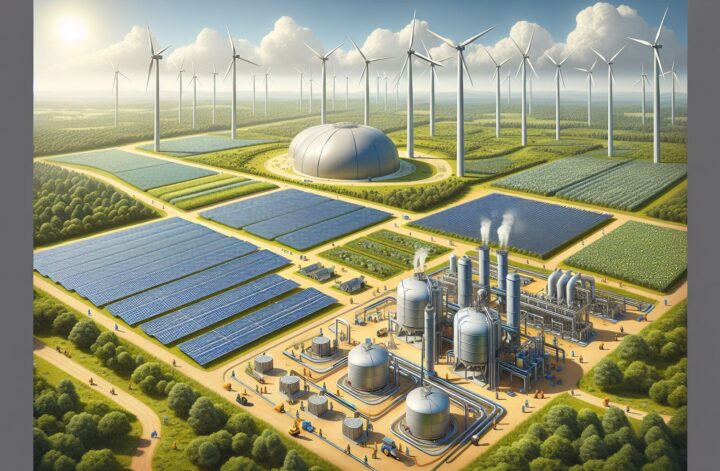
In today’s world, where resources are shrinking, and the environmental damage is on an unprecedented rise, preventing harmful emissions and utilizing waste effectively is not just an option; it has become a necessity. One such significant initiative in this direction is biogas production, a process involving the biological breakdown of organic matter in the absence of oxygen, a method known as anaerobic digestion[^1^]. The resulting product – biogas, predominantly composed of methane, serves in delivering renewable energy, reducing reliance on fossil fuels, quelling greenhouse gas emissions, and facilitating organic waste treatment.
Understanding Biogas Production
Biogas production is a natural process. It occurs in landfills where organic matter exists in the absence of oxygen. This process can be efficiently harnessed by introducing it in a controlled environment, primarily an anaerobic digester. The production involves four key steps – hydrolysis, acidogenesis, acetogenesis, and methanogenesis[^2^].
Hydrolysis: The first step of the digestion process, hydrolysis, commences when biodegradable substances split into simpler water-soluble compounds. Enzymes produced by hydrolytic bacteria expedite the process.
Acidogenesis: The resultant simpler compounds undergo fermentation operated by acidogenic microorganisms, transforming them into carbon dioxide, hydrogen, ammonia, organic acids, and other trace elements.
Acetogenesis: Acetogenic bacteria utilize the products from acidogenesis, synthesizing acetic acid alongside additional carbon dioxide and hydrogen.
Methanogenesis: Lastly, methanogenic archaea convert these substances into methane, carbon dioxide, and water.
Co-Digestion and High-Rate Anaerobic Digestion
A notable exploration in the field involves co-digestion: processing of multiple feedstocks concurrently. Generally, there is a primary feedstock (typically manure), and a secondary one, often an organic waste type like food waste or microalgae[^3^]. The advantage of co-digestion lies in the potential increase of biogas yield due to a better nutrient balance and dilution of potential inhibitors.
High-rate anaerobic digestion is another significant development in the field. It refers to a faster degradation of organic material and a quicker generation of biogas. The three significant types of high-rate anaerobic digesters are: Upflow Anaerobic Sludge Blanket (UASB), Expanded Granular Sludge Bed (EGSB), and Internal Circulation (IC).
Biogas Upgrading and Volatile Solids Reduction
A critical stage in biogas utilization is biogas upgrading – where contaminants and carbon dioxide are removed. This process yields biomethane, which can be used directly as vehicle fuel or injected into the gas grid. Technologies used in this upgrading process include pressure swing adsorption, water or chemical scrubbing, and membrane separation.
In anaerobic digestion, volatile solids reduction is an important measure of process efficiency. Volatile solids generally represent the total amount of organic matter in raw waste. Their reduction denotes how much of this matter has been transformed into biogas. A higher degree of volatile solids reduction means that more biogas has been produced, and less residual sludge will need further treatment.
Ammonia and Sulfide Toxicity
Certain elements, even in minute quantities, can inhibit anaerobic digestion. Ammonia results from the degradation of proteins and urea. At a high pH, it transforms into ammonium ions NH4+, the excess of which can inhibit methanogenesis and lead to process failure. The toxicity threshold for ammonia depends on several variables, including pH, temperature, and the acclimation state of microorganisms.
Similarly, sulfides, from the reduction of sulfur compounds, pose a potential inhibitory threat to methanogens when present in high concentrations. Besides their toxicity to microbes, sulfides also have a corrosive effect on steel and concrete, potentially shortening the life of biogas installations.
Practical and Environmental Significance
The power of biogas spans beyond waste management and renewable energy production. It also aids in the reduction of greenhouse gases by capturing methane, a gas twenty-five times as potent as carbon dioxide in terms of global warming potential[^2^].
Harnessing biogas is an integral solution to these problems. Digested organic matter, or digestate, can be used as a high-quality fertilizer, reducing reliance on synthetic fertilizers and improving soil health. Moreover, the waste treatment process kills pathogens present in raw waste and produces bioenergy, decreasing fossil fuel dependence.
In conclusion, biogas production represents one of how we can power our future sustainably. Because of its financial viability and eco-friendliness marked by the efficient use of organic wastes, reduction in greenhouse gas emissions, and generation of renewable energy, biogas production stands as a promising strategy moving forward.
Of Interest: Methane Capture, Renewable energy, Biogas upgrading, Combined heat and power (CHP), Greenhouse gas reduction.
[^1^]: Maus I, et al. (2017) “Trace elements in biogas microbiomes: requirements, sources, and health.” Anaerobe. Link.
[^2^]: Appels L, et al. (2011) “Principles and potential of the anaerobic digestion of waste-activated sludge.” Progress in Energy and Combustion Science. Link.
[^3^]: Wall D, et al. (2013) “Co-digestion of organic material.” Renewable energy. Link.
Disclaimer: The content in this article is meant for informational purposes only and should not be relied upon as advice. Every effort has been made to ensure the information is accurate as of the date of publication, but changes over time may render it inaccurate. Consult professionals for any energy projects.
Renewable Energy: The Future of Sustainable Living
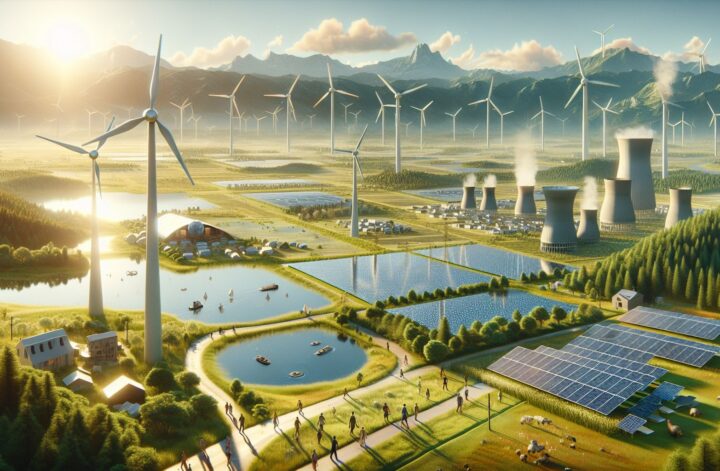
The urgency to combat climate change and the overwhelming environmental degradation has accelerated the global interest in renewable energy sources. Unreliable, expensive, and environmentally detrimental fossil fuels gradually pave the way for cleaner, replenishing alternative energy sources. Among these, arguably one of the most promising solutions is captured in a rather unattractive term – renewable energy.
The International Renewable Energy Agency (IRENA) has estimated that renewable energy capacity must triple by 2050 to achieve sustainability and climate goals[1] . The good news: this ambitious yet achievable goal can be reached if concerted efforts are made across all countries and industries. This article portrays the scope, potential, and ways to leverage renewable energy for a sustainable future.
A Deeper Understanding of Renewable Energy
Renewable energy includes energy from sources that naturally replenish – sun, wind, water, and geothermal heat. Also in the basket are biomass and biofuels, involving the conversion of organic matter into energy-rich biofuel and biogas. These natural flow resources, if harnessed to their full potential, can bridge the ever-growing energy demand gap while successfully minimizing the environmental footprint.
A significant shift in the energy generation framework allows us to transition from fossil fuels dominant to renewable centrism. This transformation not only offers ways to combat climate change but also underlines the generation of local jobs, technological innovation, and economic growth[2].
Contemporary Trends in Renewable Energy
Rapid advancements in technology, coupled with favorable government policies and incentives, have made renewable energy more cost-competitive than ever before. The past decade witnessed a tremendous surge in solar and wind power installations, now considered the fastest growing renewable energy sources.
Hydropower remains the top player among renewable energy sources in terms of global consumption. However, emerging technologies like bioenergy, marine energy, and geothermal energy are gaining significant impetus due to increasing awareness and investment in research and development.
Electric mobility enabled by renewable energy is another rapidly progressing trend. Sales of electric vehicles (EVs) have skyrocketed worldwide, further bolstering the need for renewable energy.
Challenges and the Path Ahead
The road to renewable energy may seem promising, but it’s not without significant challenges. Intermittency, extensive land, and water requirements, decentralized distribution, and infrastructural barriers are among the primary obstacles to large scale implementation.
Fortunately, technological innovations, like battery storage solutions, supergrids, and major research on efficient panels and turbines, address many of these challenges. Moreover, governments worldwide are responding positively, with incentives and favorable policies for renewable energy adoption, which is a significant driver for this sector.
Looking ahead, increased public awareness and commitment to sustainability that transcends geographical boundaries are essential. Fossil fuels are still dominant, and transitioning fully to renewable energy is a herculean task. But with the right mindset, innovation, and global participation, a 100% renewable future is within our reach.
As quoted by UN Secretary-General Antonio Guterres – “We do not need to choose between our future and our present. Renewable energy offers a way to have both”. Here’s to a clean, green, and sustainable future powered by renewable energy!
References
-
International Renewable Energy Agency (IRENA). (2020). Global Renewables Outlook: Energy transformation 2050.link
-
The World Bank. (2020). Renewable Energy.link
About the Author
The author is an avid environmental enthusiast and renewable energy advocate. With a background in environmental science and over a decade of experience as a blogger, the author brings forth intricate scientific concepts in an easily understandable manner. The passion for a greener planet propels the constant learning and sharing of knowledge to help others take small steps towards a sustainable future.